

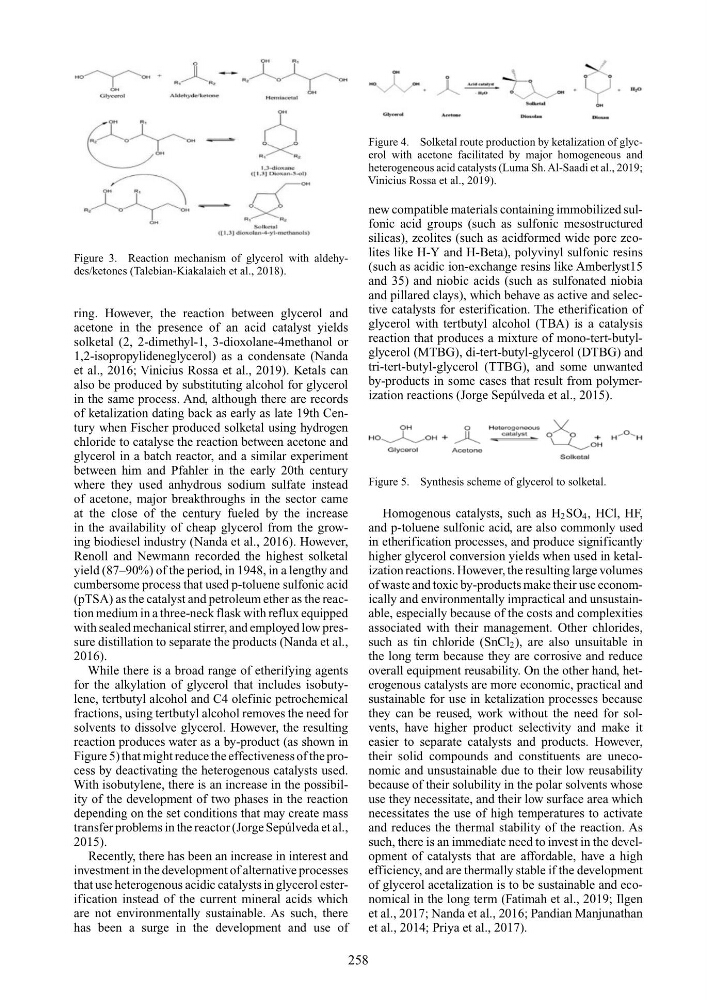
Figure 3. Reaction mechanism of glycerol with aldehydes/ketones (Talebian-Kiakalaieh et al., 2018).
ring. However, the reaction between glycerol and
acetone in the presence of an acid catalyst yields
solketal (2, 2-dimethyl-1, 3-dioxolane-4methanol or
1,2-isopropylideneglycerol) as a condensate (Nanda
et al., 2016; Vinicius Rossa et al., 2019). Ketals can
also be produced by substituting alcohol for glycerol
in the same process. And, although there are records
of ketalization dating back as early as late 19th Century when Fischer produced solketal using hydrogen
chloride to catalyse the reaction between acetone and
glycerol in a batch reactor, and a similar experiment
between him and Pfahler in the early 20th century
where they used anhydrous sodium sulfate instead
of acetone, major breakthroughs in the sector came
at the close of the century fueled by the increase
in the availability of cheap glycerol from the growing biodiesel industry (Nanda et al., 2016). However,
Renoll and Newmann recorded the highest solketal
yield (87–90%) of the period, in 1948, in a lengthy and
cumbersome process that used p-toluene sulfonic acid
(pTSA) as the catalyst and petroleum ether as the reaction medium in a three-neck flask with reflux equipped
with sealed mechanical stirrer, and employed low pressure distillation to separate the products (Nanda et al.,
2016).
While there is a broad range of etherifying agents
for the alkylation of glycerol that includes isobutylene, tertbutyl alcohol and C4 olefinic petrochemical
fractions, using tertbutyl alcohol removes the need for
solvents to dissolve glycerol. However, the resulting
reaction produces water as a by-product (as shown in
Figure 5) that might reduce the effectiveness of the process by deactivating the heterogenous catalysts used.
With isobutylene, there is an increase in the possibility of the development of two phases in the reaction
depending on the set conditions that may create mass
transfer problems in the reactor (Jorge Sepúlveda et al.,
2015).
Recently, there has been an increase in interest and
investment in the development of alternative processes
that use heterogenous acidic catalysts in glycerol esterification instead of the current mineral acids which
are not environmentally sustainable. As such, there
has been a surge in the development and use of
Figure 4. Solketal route production by ketalization of glycerol with acetone facilitated by major homogeneous and
heterogeneous acid catalysts (Luma Sh. Al-Saadi et al., 2019;
Vinicius Rossa et al., 2019).
new compatible materials containing immobilized sulfonic acid groups (such as sulfonic mesostructured
silicas), zeolites (such as acidformed wide pore zeolites like H-Y and H-Beta), polyvinyl sulfonic resins
(such as acidic ion-exchange resins like Amberlyst15
and 35) and niobic acids (such as sulfonated niobia
and pillared clays), which behave as active and selective catalysts for esterification. The etherification of
glycerol with tertbutyl alcohol (TBA) is a catalysis
reaction that produces a mixture of mono-tert-butylglycerol (MTBG), di-tert-butyl-glycerol (DTBG) and
tri-tert-butyl-glycerol (TTBG), and some unwanted
by-products in some cases that result from polymerization reactions (Jorge Sepúlveda et al., 2015).
Figure 5. Synthesis scheme of glycerol to solketal.
Homogenous catalysts, such as H 2 SO 4 , HCl, HF,
and p-toluene sulfonic acid, are also commonly used
in etherification processes, and produce significantly
higher glycerol conversion yields when used in ketalization reactions. However, the resulting large volumes
of waste and toxic by-products make their use economically and environmentally impractical and unsustainable, especially because of the costs and complexities
associated with their management. Other chlorides,
such as tin chloride (SnCl 2 ), are also unsuitable in
the long term because they are corrosive and reduce
overall equipment reusability. On the other hand, heterogenous catalysts are more economic, practical and
sustainable for use in ketalization processes because
they can be reused, work without the need for solvents, have higher product selectivity and make it
easier to separate catalysts and products. However,
their solid compounds and constituents are uneconomic and unsustainable due to their low reusability
because of their solubility in the polar solvents whose
use they necessitate, and their low surface area which
necessitates the use of high temperatures to activate
and reduces the thermal stability of the reaction. As
such, there is an immediate need to invest in the development of catalysts that are affordable, have a high
efficiency, and are thermally stable if the development
of glycerol acetalization is to be sustainable and economical in the long term (Fatimah et al., 2019; Ilgen
et al., 2017; Nanda et al., 2016; Pandian Manjunathan
et al., 2014; Priya et al., 2017).
258
ring. However, the reaction between glycerol and
acetone in the presence of an acid catalyst yields
solketal (2, 2-dimethyl-1, 3-dioxolane-4methanol or
1,2-isopropylideneglycerol) as a condensate (Nanda
et al., 2016; Vinicius Rossa et al., 2019). Ketals can
also be produced by substituting alcohol for glycerol
in the same process. And, although there are records
of ketalization dating back as early as late 19th Century when Fischer produced solketal using hydrogen
chloride to catalyse the reaction between acetone and
glycerol in a batch reactor, and a similar experiment
between him and Pfahler in the early 20th century
where they used anhydrous sodium sulfate instead
of acetone, major breakthroughs in the sector came
at the close of the century fueled by the increase
in the availability of cheap glycerol from the growing biodiesel industry (Nanda et al., 2016). However,
Renoll and Newmann recorded the highest solketal
yield (87–90%) of the period, in 1948, in a lengthy and
cumbersome process that used p-toluene sulfonic acid
(pTSA) as the catalyst and petroleum ether as the reaction medium in a three-neck flask with reflux equipped
with sealed mechanical stirrer, and employed low pressure distillation to separate the products (Nanda et al.,
2016).
While there is a broad range of etherifying agents
for the alkylation of glycerol that includes isobutylene, tertbutyl alcohol and C4 olefinic petrochemical
fractions, using tertbutyl alcohol removes the need for
solvents to dissolve glycerol. However, the resulting
reaction produces water as a by-product (as shown in
Figure 5) that might reduce the effectiveness of the process by deactivating the heterogenous catalysts used.
With isobutylene, there is an increase in the possibility of the development of two phases in the reaction
depending on the set conditions that may create mass
transfer problems in the reactor (Jorge Sepúlveda et al.,
2015).
Recently, there has been an increase in interest and
investment in the development of alternative processes
that use heterogenous acidic catalysts in glycerol esterification instead of the current mineral acids which
are not environmentally sustainable. As such, there
has been a surge in the development and use of
Figure 4. Solketal route production by ketalization of glycerol with acetone facilitated by major homogeneous and
heterogeneous acid catalysts (Luma Sh. Al-Saadi et al., 2019;
Vinicius Rossa et al., 2019).
new compatible materials containing immobilized sulfonic acid groups (such as sulfonic mesostructured
silicas), zeolites (such as acidformed wide pore zeolites like H-Y and H-Beta), polyvinyl sulfonic resins
(such as acidic ion-exchange resins like Amberlyst15
and 35) and niobic acids (such as sulfonated niobia
and pillared clays), which behave as active and selective catalysts for esterification. The etherification of
glycerol with tertbutyl alcohol (TBA) is a catalysis
reaction that produces a mixture of mono-tert-butylglycerol (MTBG), di-tert-butyl-glycerol (DTBG) and
tri-tert-butyl-glycerol (TTBG), and some unwanted
by-products in some cases that result from polymerization reactions (Jorge Sepúlveda et al., 2015).
Figure 5. Synthesis scheme of glycerol to solketal.
Homogenous catalysts, such as H 2 SO 4 , HCl, HF,
and p-toluene sulfonic acid, are also commonly used
in etherification processes, and produce significantly
higher glycerol conversion yields when used in ketalization reactions. However, the resulting large volumes
of waste and toxic by-products make their use economically and environmentally impractical and unsustainable, especially because of the costs and complexities
associated with their management. Other chlorides,
such as tin chloride (SnCl 2 ), are also unsuitable in
the long term because they are corrosive and reduce
overall equipment reusability. On the other hand, heterogenous catalysts are more economic, practical and
sustainable for use in ketalization processes because
they can be reused, work without the need for solvents, have higher product selectivity and make it
easier to separate catalysts and products. However,
their solid compounds and constituents are uneconomic and unsustainable due to their low reusability
because of their solubility in the polar solvents whose
use they necessitate, and their low surface area which
necessitates the use of high temperatures to activate
and reduces the thermal stability of the reaction. As
such, there is an immediate need to invest in the development of catalysts that are affordable, have a high
efficiency, and are thermally stable if the development
of glycerol acetalization is to be sustainable and economical in the long term (Fatimah et al., 2019; Ilgen
et al., 2017; Nanda et al., 2016; Pandian Manjunathan
et al., 2014; Priya et al., 2017).
258