

proteins. ChIP involves crosslinking all protein–DNA complexes,
immunoprecipitating the protein of interest with an appropriate
antibody, and analyzing the subsequent DNA fragment by quantitative PCR (qPCR) or DNA sequencing (ChIP-seq).
This protocol describes the method used to investigate the
interactions of a single protein of interest with the M. tuberculosis
genome during logarithmic growth phase (Fig. 1).
1.3 Genomic DNA
Isolation for qPCR
Standards in M.
tuberculosis
Over the past few decades, molecular techniques, PCR, and qPCR
have been favored over traditional culture methods for tuberculosis
diagnosis, because of the rapid, specific, sensitivity, and reproducibility. The added advantage of qPCR techniques is that it eliminates the need for electrophoresis and provides quantification
[19]. To determine the efficiency of the qPCR and the amount of
the gene of interest in the unknown samples, we must generate a
standard curve using a known stock concentration of gDNA from
M. tuberculosis H37Rv followed by tenfold sequential dilutions.
1.4 Genomic
Extractions from M.
tuberculosis and
Nontuberculous
Mycobacteria Using
CTAB Extraction
Method
Next-generation sequencing (NGS) is commonly applied to investigate genomic mutations responsible for antimicrobial resistance,
mapping clinical isolate transmission networks, and elucidating
drug mode of action in antimicrobial development programs [20–
22]. Extracting pure, high-quality intact gDNA required for NGS
approaches from mycobacteria is challenging, however. The cetyltrimethylammonium bromide (CTAB) method of DNA isolation
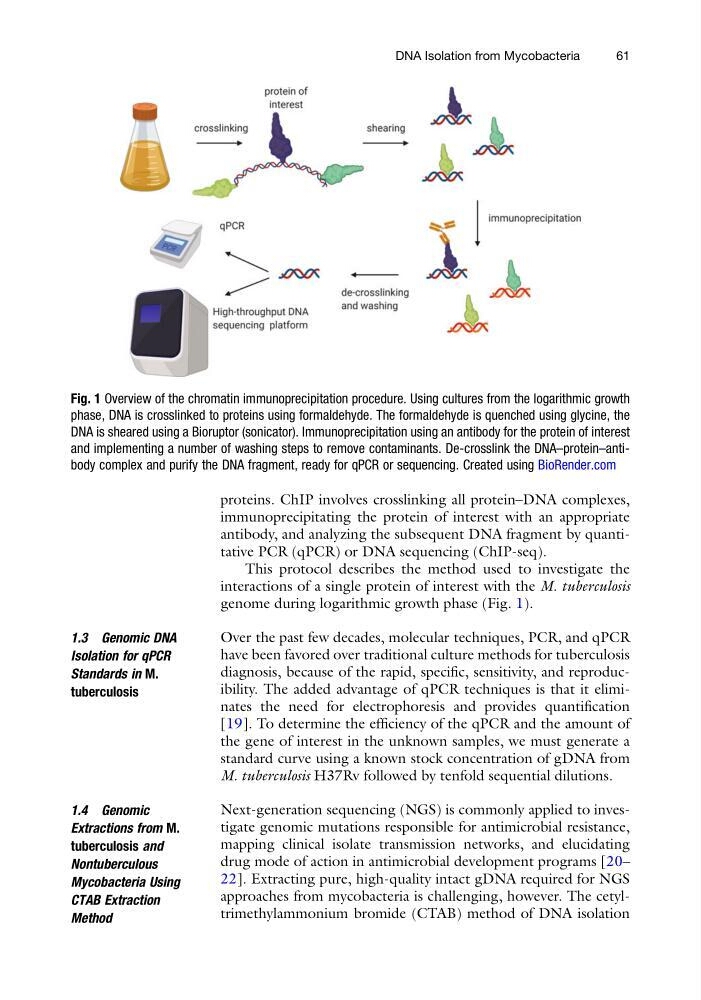
Fig. 1 Overview of the chromatin immunoprecipitation procedure. Using cultures from the logarithmic growth
phase, DNA is crosslinked to proteins using formaldehyde. The formaldehyde is quenched using glycine, the
DNA is sheared using a Bioruptor (sonicator). Immunoprecipitation using an antibody for the protein of interest
and implementing a number of washing steps to remove contaminants. De-crosslink the DNA–protein–antibody complex and purify the DNA fragment, ready for qPCR or sequencing. Created using BioRender.com
DNA Isolation from Mycobacteria
61
immunoprecipitating the protein of interest with an appropriate
antibody, and analyzing the subsequent DNA fragment by quantitative PCR (qPCR) or DNA sequencing (ChIP-seq).
This protocol describes the method used to investigate the
interactions of a single protein of interest with the M. tuberculosis
genome during logarithmic growth phase (Fig. 1).
1.3 Genomic DNA
Isolation for qPCR
Standards in M.
tuberculosis
Over the past few decades, molecular techniques, PCR, and qPCR
have been favored over traditional culture methods for tuberculosis
diagnosis, because of the rapid, specific, sensitivity, and reproducibility. The added advantage of qPCR techniques is that it eliminates the need for electrophoresis and provides quantification
[19]. To determine the efficiency of the qPCR and the amount of
the gene of interest in the unknown samples, we must generate a
standard curve using a known stock concentration of gDNA from
M. tuberculosis H37Rv followed by tenfold sequential dilutions.
1.4 Genomic
Extractions from M.
tuberculosis and
Nontuberculous
Mycobacteria Using
CTAB Extraction
Method
Next-generation sequencing (NGS) is commonly applied to investigate genomic mutations responsible for antimicrobial resistance,
mapping clinical isolate transmission networks, and elucidating
drug mode of action in antimicrobial development programs [20–
22]. Extracting pure, high-quality intact gDNA required for NGS
approaches from mycobacteria is challenging, however. The cetyltrimethylammonium bromide (CTAB) method of DNA isolation
Fig. 1 Overview of the chromatin immunoprecipitation procedure. Using cultures from the logarithmic growth
phase, DNA is crosslinked to proteins using formaldehyde. The formaldehyde is quenched using glycine, the
DNA is sheared using a Bioruptor (sonicator). Immunoprecipitation using an antibody for the protein of interest
and implementing a number of washing steps to remove contaminants. De-crosslink the DNA–protein–antibody complex and purify the DNA fragment, ready for qPCR or sequencing. Created using BioRender.com
DNA Isolation from Mycobacteria
61