

tube on the reservoir cap to the 3-stop pump tubing in the
peristaltic pump (see Note 2).
4. To the downstream end of the 3-stop pump tubing connect
another piece of L/S-14 tubing long enough to attach to the
vertical port of the 3-way stopcock on the cap of the central
reservoir (CR) when it is positioned in the 37
C incubator.
The 3-way stopcock is used so that samples can be taken direct
from the CR. If two stopcocks are included in series at this
position, the second port can be used to infuse compounds
(e.g. via syringe pump) while medium flow is stopped.
5. If a syringe pump is to be used, add a Luer fitting to the
stopcock port and attach a length of tubing that will reach
from the top of the CR to the syringe pump situated outside
of the incubator. Include a syringe compatible Luer fitting on
the end of this tubing and wrap with foil prior to autoclaving
the assembly.
6. Include a sterile stir bar in the CR to aid mixing (see Note 3).
7. Set the desired operating fluid volume within the CR by adjusting the height of the steel waste tube line (see Note 4). The
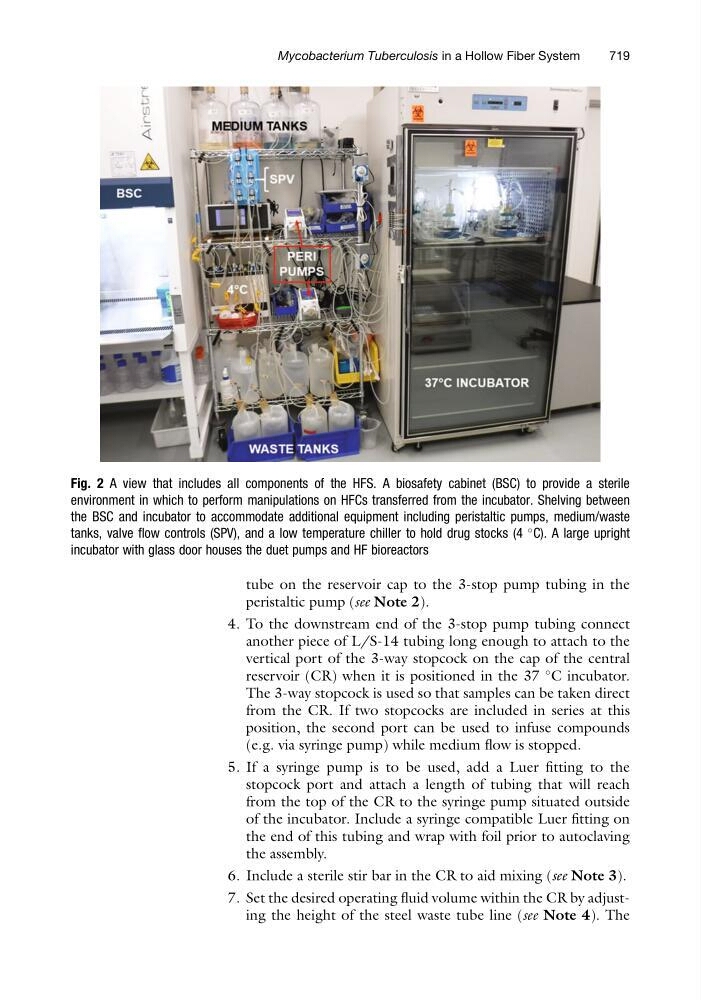
Fig. 2 A view that includes all components of the HFS. A biosafety cabinet (BSC) to provide a sterile
environment in which to perform manipulations on HFCs transferred from the incubator. Shelving between
the BSC and incubator to accommodate additional equipment including peristaltic pumps, medium/waste
tanks, valve flow controls (SPV), and a low temperature chiller to hold drug stocks (4
C). A large upright
incubator with glass door houses the duet pumps and HF bioreactors
Mycobacterium Tuberculosis in a Hollow Fiber System
719