

mapping. Galaxy has several precomputed genome indexes for
model organisms. Genome indexes can also be generated from
the appropriate information while using the mapping tool. Each
mapping tool will allow adjustment of parameters to alter sensitivity
to allow for mismatches, insertions, and deletions while mapping
reads, and it is up to the researcher to decide what are acceptable
given the experimental setup. Bowtie2 [10, 11] is a fast and
memory-efficient open-source tool that is commonly used for
mapping short reads onto longer genomes. STAR [12] is another
read mapper that is commonly used for RNA-seq data (including
eukaryotic transcripts). STAR uses a two-step alignment algorithm
that also enables consideration of off-species contamination.
Expression value calculations in RNA-seq are made based on
the level of transcript that maps to each gene (step 11). Therefore,
to determine expression count values, we must assign reads to their
appropriate genomic location and tally the number of sequenced
reads that align to each gene location. Once counts of reads per
transcript have been tallied, these expression values can be normalized to compensate for systematic technical biases. The resulting
processed expression values are suitable for downstream analysis of
differential gene expression and other readouts. For the workflow
that is currently outlined, we have generated counts using featureCounts and will outline an approach to determine differentially
expressed genes using DESeq2 [13]. However, equivalent tools
including edgeR [14] and limma [15] are also available on Galaxy
and may also be used to analyze count data. Many researchers may
opt to use a ‘wisdom of the crowds’ strategy and employ multiple
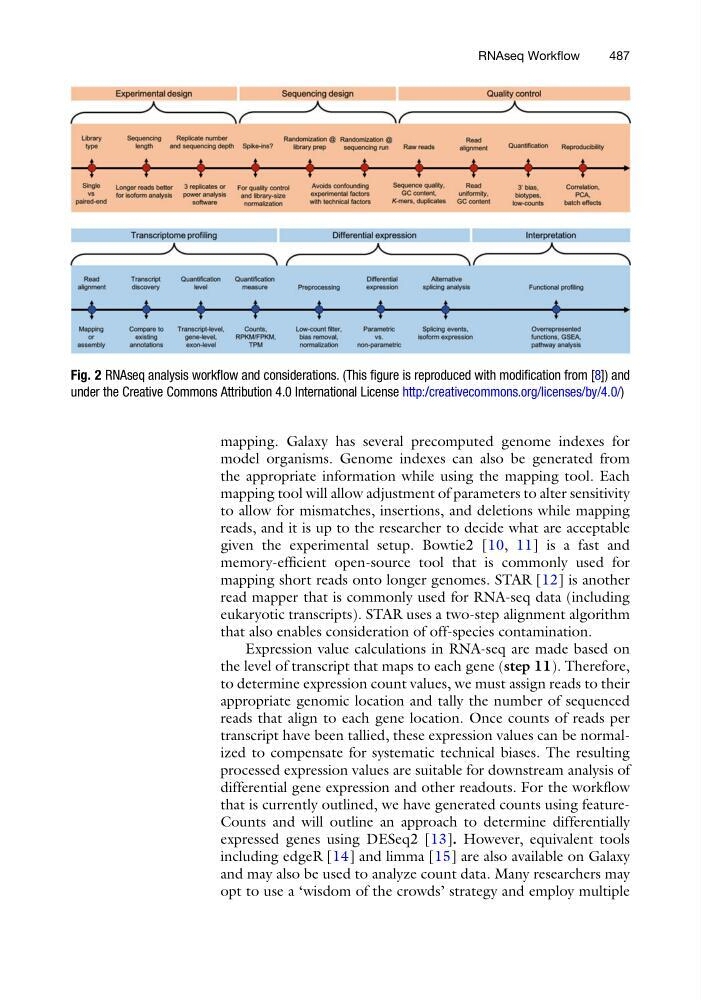
Fig. 2 RNAseq analysis workflow and considerations. (This figure is reproduced with modification from [8]) and
under the Creative Commons Attribution 4.0 International License http:/ /creativecommons.org/licenses/by/4.0/)
RNAseq Workflow
487
model organisms. Genome indexes can also be generated from
the appropriate information while using the mapping tool. Each
mapping tool will allow adjustment of parameters to alter sensitivity
to allow for mismatches, insertions, and deletions while mapping
reads, and it is up to the researcher to decide what are acceptable
given the experimental setup. Bowtie2 [10, 11] is a fast and
memory-efficient open-source tool that is commonly used for
mapping short reads onto longer genomes. STAR [12] is another
read mapper that is commonly used for RNA-seq data (including
eukaryotic transcripts). STAR uses a two-step alignment algorithm
that also enables consideration of off-species contamination.
Expression value calculations in RNA-seq are made based on
the level of transcript that maps to each gene (step 11). Therefore,
to determine expression count values, we must assign reads to their
appropriate genomic location and tally the number of sequenced
reads that align to each gene location. Once counts of reads per
transcript have been tallied, these expression values can be normalized to compensate for systematic technical biases. The resulting
processed expression values are suitable for downstream analysis of
differential gene expression and other readouts. For the workflow
that is currently outlined, we have generated counts using featureCounts and will outline an approach to determine differentially
expressed genes using DESeq2 [13]. However, equivalent tools
including edgeR [14] and limma [15] are also available on Galaxy
and may also be used to analyze count data. Many researchers may
opt to use a ‘wisdom of the crowds’ strategy and employ multiple
Fig. 2 RNAseq analysis workflow and considerations. (This figure is reproduced with modification from [8]) and
under the Creative Commons Attribution 4.0 International License http:/ /creativecommons.org/licenses/by/4.0/)
RNAseq Workflow
487