

130
Coastal Engineering: Theory and Practice
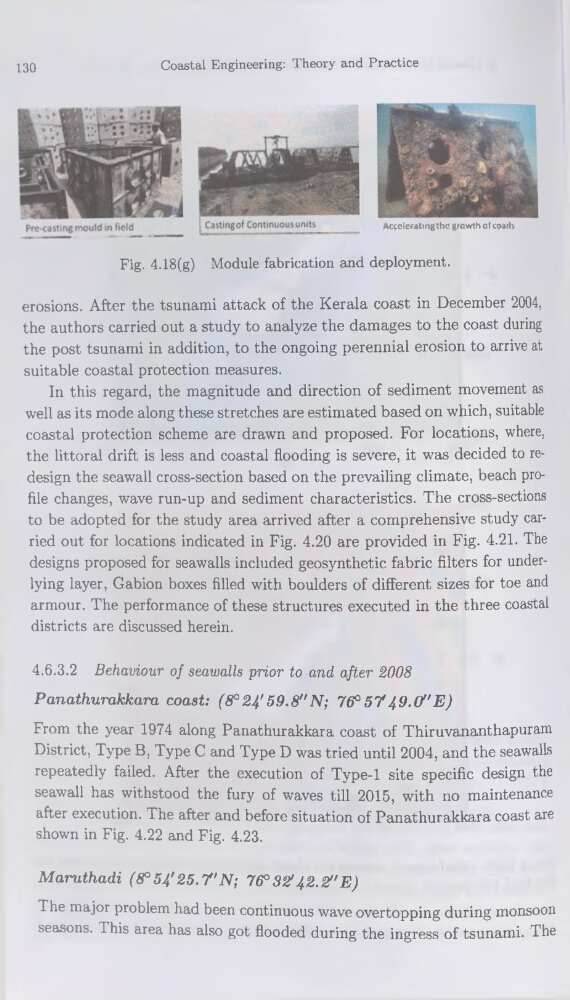
Fig. 4.18(g) Module fabrication and deployment.
Accelerabng the growth of toaris
érosions. After the tsunami attack of the Kérala coast in December 2004,
the authors carried ont a study to analyze the damages to the coast during
the post tsunami in addition, to the ongoing perennial érosion to arrive at
suitable coastal protection measures.
In this regard, the magnitude and direction of sédiment movement as
well as its mode along these stretches are estimated based on which, suitable
coastal protection scheme are drawn and proposed. For locations, where,
the littoral drift is less and coastal flooding is severe, it was decided to redesign the seawall cross-section based on the prevailing climate, beach profile changes, wave run-up and sédiment characteristics. The cross-sections
to be adopted for the study area arrived after a comprehensive study carried out for locations indicated in Fig. 4.20 are provided in Fig. 4.21. The
designs proposed for seawalls included geosynthetic fabric filters for underlying layer, Gabion boxes filled with boulders of different sizes for toe and
armour. The performance of these structures executed in the three coastal
districts are discussed herein.
4.6.3.2 Behaviour of seawalls prior to and after 2008
Panathurakkara coast: (8°24'59.8"N; 76°5749.Of E)
From the year 1974 along Panathurakkara coast of Thiruvananthapuram
District, Type B, Type C and Type D was tried until 2004, and the seawalls
repeatedly failed. After the execution of Type-1 site spécifie design the
seawall has withstood the fury of waves till 2015, with no maintenance
after execution. The after and before situation of Panathurakkara coast are
shown in Fig. 4.22 and Fig. 4.23.
Maruthadi (8° 54'25.7'N; 76f 32!42.2f E)
The major problem had been continuons wave overtopping during monsoon
seasons. This area has also got flooded during the ingress of tsunami. The
Coastal Engineering: Theory and Practice
Fig. 4.18(g) Module fabrication and deployment.
Accelerabng the growth of toaris
érosions. After the tsunami attack of the Kérala coast in December 2004,
the authors carried ont a study to analyze the damages to the coast during
the post tsunami in addition, to the ongoing perennial érosion to arrive at
suitable coastal protection measures.
In this regard, the magnitude and direction of sédiment movement as
well as its mode along these stretches are estimated based on which, suitable
coastal protection scheme are drawn and proposed. For locations, where,
the littoral drift is less and coastal flooding is severe, it was decided to redesign the seawall cross-section based on the prevailing climate, beach profile changes, wave run-up and sédiment characteristics. The cross-sections
to be adopted for the study area arrived after a comprehensive study carried out for locations indicated in Fig. 4.20 are provided in Fig. 4.21. The
designs proposed for seawalls included geosynthetic fabric filters for underlying layer, Gabion boxes filled with boulders of different sizes for toe and
armour. The performance of these structures executed in the three coastal
districts are discussed herein.
4.6.3.2 Behaviour of seawalls prior to and after 2008
Panathurakkara coast: (8°24'59.8"N; 76°5749.Of E)
From the year 1974 along Panathurakkara coast of Thiruvananthapuram
District, Type B, Type C and Type D was tried until 2004, and the seawalls
repeatedly failed. After the execution of Type-1 site spécifie design the
seawall has withstood the fury of waves till 2015, with no maintenance
after execution. The after and before situation of Panathurakkara coast are
shown in Fig. 4.22 and Fig. 4.23.
Maruthadi (8° 54'25.7'N; 76f 32!42.2f E)
The major problem had been continuons wave overtopping during monsoon
seasons. This area has also got flooded during the ingress of tsunami. The