

Upper Océan Thermal Structure and Fronts Between New Zealand and the Ross Sea 73
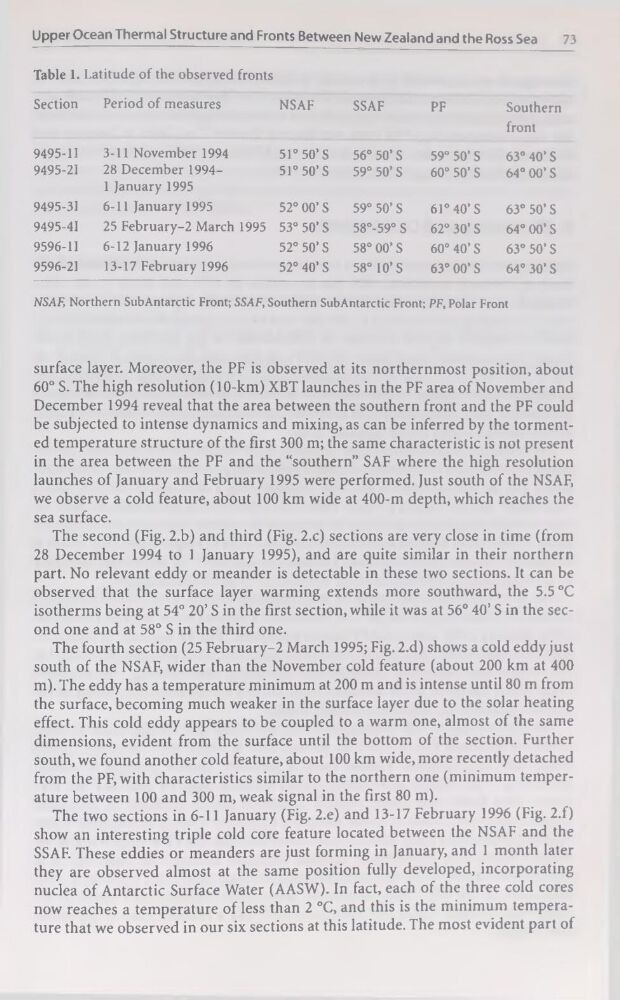
Table 1. Latitude of the observed fronts
Section
Period of measures
NSAF
SSAF
PF
Southern
front
9495-11
3-11 November 1994
51° 50’S
56° 50’ S
59° 50’ S
63° 40’ S
9495-21
28 December 19941 January 1995
51° 50’S
59° 50’ S
60° 50’ S
64° 00’ S
9495-31
6-11 January 1995
52° 00’ S
59° 50’ S
61° 40’S
63° 50’ S
9495-41
25 February-2 March 1995 53° 50’ S
58°-59° S
62° 30’ S
64° 00’ S
9596-11
6-12 January 1996
52° 50’ S
58° 00’ S
60° 40’ S
63° 50’ S
9596-21
13-17 February 1996
52° 40’ S
58° 10’S
63° 00’ S
64° 30’ S
NSAF, Northern SubAntarctic Front; SSAF, Southern SubAntarctic Front; PF, Polar Front
surface layer. Moreover, the PF is observed at its northernmost position, about
60° S. The high resolution (10-km) XBT launches in the PF area of November and
December 1994 reveal that the area between the Southern front and the PF could
be subjected to intense dynamics and mixing, as can be inferred by the tormented température structure of the first 300 m; the same characteristic is not présent
in the area between the PF and the “southern” SAF where the high resolution
launches of January and February 1995 were performed. Just south of the NSAF,
we observe a cold feature, about 100 km wide at 400-m depth, which reaches the
sea surface.
The second (Fig. 2.b) and third (Fig. 2.c) sections are very close in time (from
28 December 1994 to 1 January 1995), and are quite similar in their northern
part. No relevant eddy or meander is détectable in these two sections. It can be
observed that the surface layer warming extends more southward, the 5.5 °C
isotherms being at 54° 20’ S in the first section, while it was at 56° 40’ S in the second one and at 58° S in the third one.
The fourth section (25 February-2 March 1995; Fig. 2.d) shows a cold eddy just
south of the NSAF, wider than the November cold feature (about 200 km at 400
m). The eddy has a température minimum at 200 m and is intense until 80 m from
the surface, becoming much weaker in the surface layer due to the solar heating
effect. This cold eddy appears to be coupled to a warm one, almost of the same
dimensions, évident from the surface until the bottom of the section. Further
south, we found another cold feature, about 100 km wide, more recently detached
from the PF, with characteristics similar to the northern one (minimum température between 100 and 300 m, weak signal in the first 80 m).
The two sections in 6-11 January (Fig. 2.e) and 13-17 February 1996 (Fig. 2.f)
show an interesting triple cold core feature located between the NSAF and the
SSAF. These eddies or meanders are just forming in January, and 1 month later
they are observed almost at the same position fully developed, incorporating
nuclea of Antarctic Surface Water (AASW). In fact, each of the three cold cores
now reaches a température of less than 2 °C, and this is the minimum température that we observed in our six sections at this latitude. The most évident part of
Table 1. Latitude of the observed fronts
Section
Period of measures
NSAF
SSAF
PF
Southern
front
9495-11
3-11 November 1994
51° 50’S
56° 50’ S
59° 50’ S
63° 40’ S
9495-21
28 December 19941 January 1995
51° 50’S
59° 50’ S
60° 50’ S
64° 00’ S
9495-31
6-11 January 1995
52° 00’ S
59° 50’ S
61° 40’S
63° 50’ S
9495-41
25 February-2 March 1995 53° 50’ S
58°-59° S
62° 30’ S
64° 00’ S
9596-11
6-12 January 1996
52° 50’ S
58° 00’ S
60° 40’ S
63° 50’ S
9596-21
13-17 February 1996
52° 40’ S
58° 10’S
63° 00’ S
64° 30’ S
NSAF, Northern SubAntarctic Front; SSAF, Southern SubAntarctic Front; PF, Polar Front
surface layer. Moreover, the PF is observed at its northernmost position, about
60° S. The high resolution (10-km) XBT launches in the PF area of November and
December 1994 reveal that the area between the Southern front and the PF could
be subjected to intense dynamics and mixing, as can be inferred by the tormented température structure of the first 300 m; the same characteristic is not présent
in the area between the PF and the “southern” SAF where the high resolution
launches of January and February 1995 were performed. Just south of the NSAF,
we observe a cold feature, about 100 km wide at 400-m depth, which reaches the
sea surface.
The second (Fig. 2.b) and third (Fig. 2.c) sections are very close in time (from
28 December 1994 to 1 January 1995), and are quite similar in their northern
part. No relevant eddy or meander is détectable in these two sections. It can be
observed that the surface layer warming extends more southward, the 5.5 °C
isotherms being at 54° 20’ S in the first section, while it was at 56° 40’ S in the second one and at 58° S in the third one.
The fourth section (25 February-2 March 1995; Fig. 2.d) shows a cold eddy just
south of the NSAF, wider than the November cold feature (about 200 km at 400
m). The eddy has a température minimum at 200 m and is intense until 80 m from
the surface, becoming much weaker in the surface layer due to the solar heating
effect. This cold eddy appears to be coupled to a warm one, almost of the same
dimensions, évident from the surface until the bottom of the section. Further
south, we found another cold feature, about 100 km wide, more recently detached
from the PF, with characteristics similar to the northern one (minimum température between 100 and 300 m, weak signal in the first 80 m).
The two sections in 6-11 January (Fig. 2.e) and 13-17 February 1996 (Fig. 2.f)
show an interesting triple cold core feature located between the NSAF and the
SSAF. These eddies or meanders are just forming in January, and 1 month later
they are observed almost at the same position fully developed, incorporating
nuclea of Antarctic Surface Water (AASW). In fact, each of the three cold cores
now reaches a température of less than 2 °C, and this is the minimum température that we observed in our six sections at this latitude. The most évident part of