

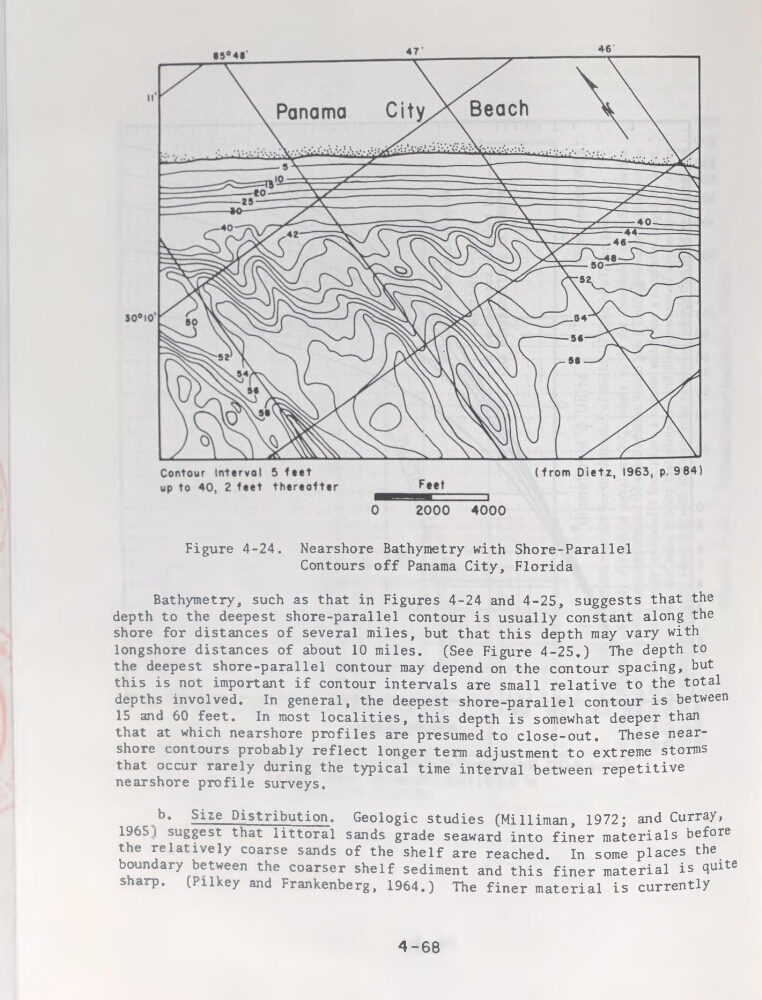
Figure 4-24. Nearshore Bathymetry with Shore-Parallel
Contours off Panama City, Florida
Bathymetry, such as that in Figures 4-24 and 4-25, suggests that the
depth to the deepest shore-parallel contour is usually constant along the
shore for distances of several miles, but that this depth may vary with
longshore distances of about 10 miles. (See Figure 4-25.) The depth to
the deepest shore-parallel contour may dépend on the contour spacing, but
this is not important if contour intervals are small relative to the total
depths involved. In general, the deepest shore-parallel contour is between
15 and 60 feet. In most localities, this depth is somewhat deeper than
that at which nearshore profiles are presumed to close-out. These nearshore contours probably reflect longer term adjustment to extreme storms
that occur rarely during the typical time interval between répétitive
nearshore profile surveys.
b- s^e Distribution. Géologie studies (Milliman, 1972; and Curray,
1965 i suggest that littoral sands grade seaward into finer materials before
the relatively coarse sands of the shelf are reached. In some places the
boundary between the coarser shelf sédiment and this finer material is quite
Sharp. (Pilkey and Frankenberg, 1964.) The finer material is currently
4-68
Contours off Panama City, Florida
Bathymetry, such as that in Figures 4-24 and 4-25, suggests that the
depth to the deepest shore-parallel contour is usually constant along the
shore for distances of several miles, but that this depth may vary with
longshore distances of about 10 miles. (See Figure 4-25.) The depth to
the deepest shore-parallel contour may dépend on the contour spacing, but
this is not important if contour intervals are small relative to the total
depths involved. In general, the deepest shore-parallel contour is between
15 and 60 feet. In most localities, this depth is somewhat deeper than
that at which nearshore profiles are presumed to close-out. These nearshore contours probably reflect longer term adjustment to extreme storms
that occur rarely during the typical time interval between répétitive
nearshore profile surveys.
b- s^e Distribution. Géologie studies (Milliman, 1972; and Curray,
1965 i suggest that littoral sands grade seaward into finer materials before
the relatively coarse sands of the shelf are reached. In some places the
boundary between the coarser shelf sédiment and this finer material is quite
Sharp. (Pilkey and Frankenberg, 1964.) The finer material is currently
4-68