

Arctic Ocean, reprocessing releases are particularly
sensitive tracers of the climatically important deep
water formation processes that occur in these
regions.
There are several complications associated with
this point source tracer introduction, however.
Comparison with CFCs indicates some of these difficulties. Within each hemisphere (northern or
southern), CFCs are well mixed throughout the troposphere, and the time history of their concentrations is well known. Their entry into the oceans
occurs by equilibration with surface waters, and
the details of their solubilities as a function of temperature and salinity have been well characterized.
The primary complication is that in some areas
equilibrium saturation is not reached, and so assumptions must be made about the degree of
equilibration. Where they have been necessary, these
assumptions appear to be fairly robust. In the case of
reprocessing tracers, the discharge amounts have not
always been as well known, although this situation
has improved continuously. One major difficulty
arises in translating a discharge amount, in kg or Bq
per year, or per month, to a concentration in sea
water some time later. In order to do this, the surface
circulation of the coastal regions must be very well
known. This circulation is highly variable, on daily,
seasonal, interannual and decadal timescales, further
Table 1 Summary of the major reprocessing tracers and their applications
Isotope
Half-life (years)
Sources
Applications
137
Cs
30
Weapons testing, reprocessing (mostly
Sellafield), Chernobyl
The ‘signature’ reprocessing tracer, used in
the earliest studies of Sellafield releases.
Has been applied in European coastal
waters, the Nordic Seas, Arctic Ocean, and
deep North Atlantic
90
Sr
28
Weapons testing, reprocessing (mostly
Sellafield)
In combination with
137 Cs, early tracer for
Sellafield discharges. The
137 Cs/
90
Sr ratio
was used to distinguish reprocessing and
weapons sources
134
Cs
2.06
Reprocessing and Chernobyl
In combination with
137 Cs, this short-lived
isotope has been used in the estimation of
transit times, e.g., from Sellafield to the
northern exit of the Irish Sea
125
Sb
2.7
Reprocessing, mostly Cap de la Hague
Circulation in the English Channel and North
Sea, into the Skaggerak and Norwegian
coastal waters
99
Tc
213 000
Reproducing – large pulse from Sellafield
beginning in 1994. Some weapons testing
Surface circulation of European coastal
waters, the Nordic Seas, Arctic Ocean, and
East and West Greenland Currents
129
I
15.7 Â 10
6
Reprocessing, mostly Cap de la Hague since
1990, some weapons testing
Deep water circulation in the Nordic Seas,
Arctic Ocean, and Deep Western Boundary
Current of the Atlantic Ocean. It has also
been measured in European coastal waters
and the Gulf of Mexico
241
Pu
14
Weapons testing, reprocessing (mostly
Sellafield)
Not widely used as circulation tracers but often
measured in conjunction with other
reprocessing radionuclides. Other
transuranic elements that have been
measured include
241 Am and
237 Np
239
Pu
24 000
240
Pu
238
Pu
6000
88
Adapted in part from Dahlgaard (1995).
0
1000
2000
3000
4000
5000
6000
0
200
400
600
800
1000
1200
1400
1950
1960
1970
1980
1990
2000
1
Cs (TBq year
_
)
Year
Cs
1
1
Tc (TBq year
_
)
I (TGq year
_
)
,
Tc
129
I
137
137
99
99
129
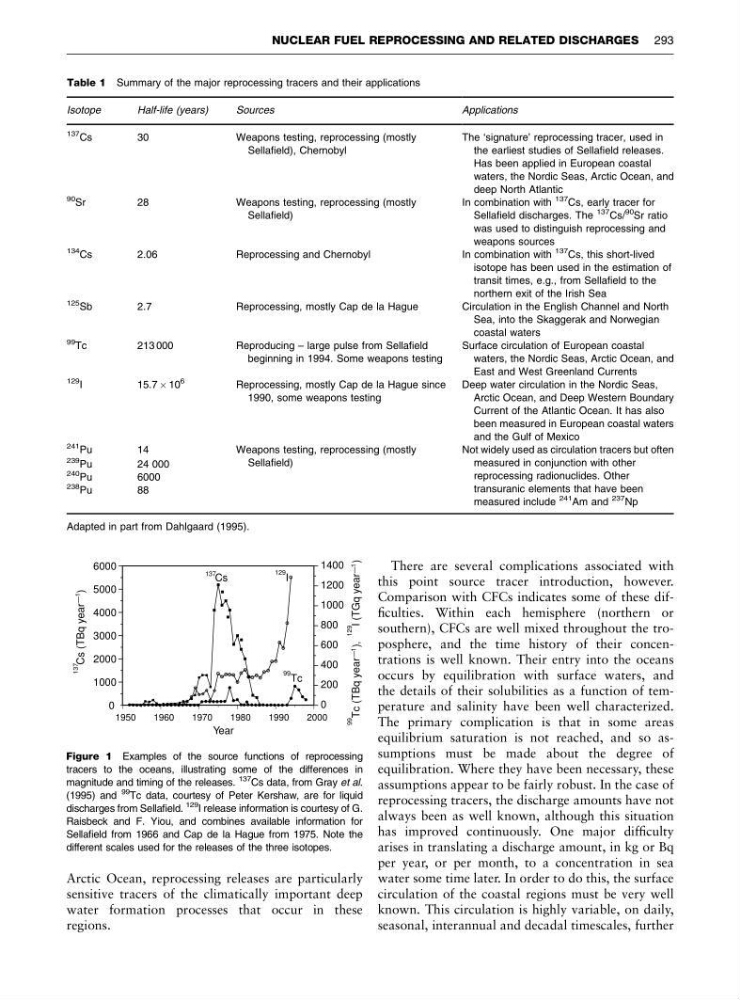
Figure 1 Examples of the source functions of reprocessing
tracers to the oceans, illustrating some of the differences in
magnitude and timing of the releases.
137
Cs data, from Gray et al.
(1995) and
99
Tc data, courtesy of Peter Kershaw, are for liquid
discharges from Sellafield.
129
I release information is courtesy of G.
Raisbeck and F. Yiou, and combines available information for
Sellafield from 1966 and Cap de la Hague from 1975. Note the
different scales used for the releases of the three isotopes.
NUCLEAR FUEL REPROCESSING AND RELATED DISCHARGES 293
sensitive tracers of the climatically important deep
water formation processes that occur in these
regions.
There are several complications associated with
this point source tracer introduction, however.
Comparison with CFCs indicates some of these difficulties. Within each hemisphere (northern or
southern), CFCs are well mixed throughout the troposphere, and the time history of their concentrations is well known. Their entry into the oceans
occurs by equilibration with surface waters, and
the details of their solubilities as a function of temperature and salinity have been well characterized.
The primary complication is that in some areas
equilibrium saturation is not reached, and so assumptions must be made about the degree of
equilibration. Where they have been necessary, these
assumptions appear to be fairly robust. In the case of
reprocessing tracers, the discharge amounts have not
always been as well known, although this situation
has improved continuously. One major difficulty
arises in translating a discharge amount, in kg or Bq
per year, or per month, to a concentration in sea
water some time later. In order to do this, the surface
circulation of the coastal regions must be very well
known. This circulation is highly variable, on daily,
seasonal, interannual and decadal timescales, further
Table 1 Summary of the major reprocessing tracers and their applications
Isotope
Half-life (years)
Sources
Applications
137
Cs
30
Weapons testing, reprocessing (mostly
Sellafield), Chernobyl
The ‘signature’ reprocessing tracer, used in
the earliest studies of Sellafield releases.
Has been applied in European coastal
waters, the Nordic Seas, Arctic Ocean, and
deep North Atlantic
90
Sr
28
Weapons testing, reprocessing (mostly
Sellafield)
In combination with
137 Cs, early tracer for
Sellafield discharges. The
137 Cs/
90
Sr ratio
was used to distinguish reprocessing and
weapons sources
134
Cs
2.06
Reprocessing and Chernobyl
In combination with
137 Cs, this short-lived
isotope has been used in the estimation of
transit times, e.g., from Sellafield to the
northern exit of the Irish Sea
125
Sb
2.7
Reprocessing, mostly Cap de la Hague
Circulation in the English Channel and North
Sea, into the Skaggerak and Norwegian
coastal waters
99
Tc
213 000
Reproducing – large pulse from Sellafield
beginning in 1994. Some weapons testing
Surface circulation of European coastal
waters, the Nordic Seas, Arctic Ocean, and
East and West Greenland Currents
129
I
15.7 Â 10
6
Reprocessing, mostly Cap de la Hague since
1990, some weapons testing
Deep water circulation in the Nordic Seas,
Arctic Ocean, and Deep Western Boundary
Current of the Atlantic Ocean. It has also
been measured in European coastal waters
and the Gulf of Mexico
241
Pu
14
Weapons testing, reprocessing (mostly
Sellafield)
Not widely used as circulation tracers but often
measured in conjunction with other
reprocessing radionuclides. Other
transuranic elements that have been
measured include
241 Am and
237 Np
239
Pu
24 000
240
Pu
238
Pu
6000
88
Adapted in part from Dahlgaard (1995).
0
1000
2000
3000
4000
5000
6000
0
200
400
600
800
1000
1200
1400
1950
1960
1970
1980
1990
2000
1
Cs (TBq year
_
)
Year
Cs
1
1
Tc (TBq year
_
)
I (TGq year
_
)
,
Tc
129
I
137
137
99
99
129
Figure 1 Examples of the source functions of reprocessing
tracers to the oceans, illustrating some of the differences in
magnitude and timing of the releases.
137
Cs data, from Gray et al.
(1995) and
99
Tc data, courtesy of Peter Kershaw, are for liquid
discharges from Sellafield.
129
I release information is courtesy of G.
Raisbeck and F. Yiou, and combines available information for
Sellafield from 1966 and Cap de la Hague from 1975. Note the
different scales used for the releases of the three isotopes.
NUCLEAR FUEL REPROCESSING AND RELATED DISCHARGES 293