

Future Prospects
The marine environment, representing 70% of the
Earth’s surface, is a vast untapped resource for new
chemicals and enzymes, often with characteristics
which are considerably different to anything discovered in the terrestrial environment. A major hurdle
to the study and exploitation of this resource has been
the inaccessibility of the oceans but advances in science and technology are now providing new approaches to isolating and characterizing the organisms
present. This should lead to a considerable increase in
the number of novel marine-derived chemicals and
medicines available to the market in the near future.
Glossary
Actinomycetes Major group of bacteria commonly
isolated from low-nutrient environments. Rich
source of unusual small molecules (e.g., antibiotics) and enzymes.
Cyanobacteria Aquatic photosynthetic bacteria widely found throughout nature.
Macroalga(e) Seaweed(s).
Microalga(e) Microscopic single-cell plants.
Nutraceuticals Natural chemicals, usually contained in foods, with potential benefits to human
health.
See also
Global Marine Pollution. Inverse Modeling of
Tracers and Nutrients. Metal Pollution. Nuclear
Fuel Reprocessing and Related Discharges.
Radioactive Wastes.
Further Reading
Gullo VP, McAlpine J, Lam KS, Baker D, and Petersen F
(2006) Drug discovery from natural products. Journal
of Industrial Microbiology and Biotechnology 33:
523--531.
Higuera-Ciapara I, Fe ´lix-Valenzuela L, and Goycoolea FM
(2006) Astaxanthin: A review of its chemistry and
applications. Critical Reviews in Food Science and
Nutrition 46: 185--196.
Hussein G, Sankawa U, Goto H, Matsumoto K, and
Watanabe H (2006) Astaxanthin, a carotenoid with
potential in human health and nutrition. Journal of
Natural Products 69: 443--449.
Khan Z, Bhadouria P, and Bisen PS (2005) Nutritional
and therapeutic potential of Spirulina. Current Pharmaceutical Biotechnology 6: 373--379.
Ko ¨ nig GM, Kehraus S, Seibert SF, Abdel-Lateff A, and Mu ¨ ller
D (2005) Natural products from marine organisms and
their associated microbes. ChemBioChem 7: 229--238.
(a)
(b)
(c)
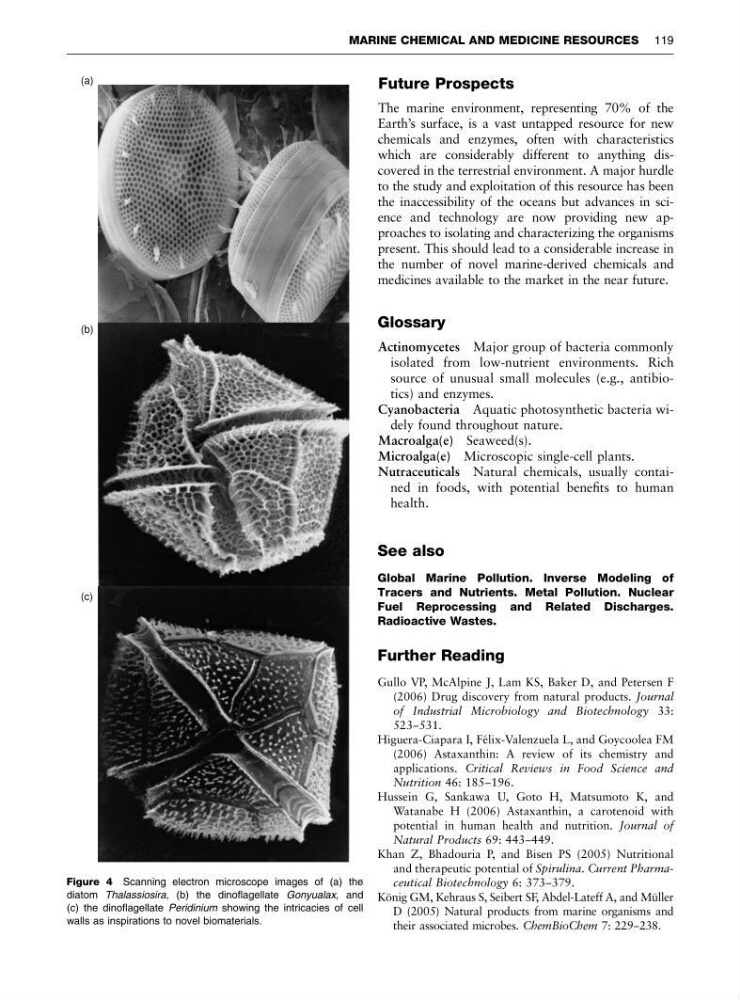
Figure 4 Scanning electron microscope images of (a) the
diatom Thalassiosira, (b) the dinoflagellate Gonyualax, and
(c) the dinoflagellate Peridinium showing the intricacies of cell
walls as inspirations to novel biomaterials.
MARINE CHEMICAL AND MEDICINE RESOURCES 119
The marine environment, representing 70% of the
Earth’s surface, is a vast untapped resource for new
chemicals and enzymes, often with characteristics
which are considerably different to anything discovered in the terrestrial environment. A major hurdle
to the study and exploitation of this resource has been
the inaccessibility of the oceans but advances in science and technology are now providing new approaches to isolating and characterizing the organisms
present. This should lead to a considerable increase in
the number of novel marine-derived chemicals and
medicines available to the market in the near future.
Glossary
Actinomycetes Major group of bacteria commonly
isolated from low-nutrient environments. Rich
source of unusual small molecules (e.g., antibiotics) and enzymes.
Cyanobacteria Aquatic photosynthetic bacteria widely found throughout nature.
Macroalga(e) Seaweed(s).
Microalga(e) Microscopic single-cell plants.
Nutraceuticals Natural chemicals, usually contained in foods, with potential benefits to human
health.
See also
Global Marine Pollution. Inverse Modeling of
Tracers and Nutrients. Metal Pollution. Nuclear
Fuel Reprocessing and Related Discharges.
Radioactive Wastes.
Further Reading
Gullo VP, McAlpine J, Lam KS, Baker D, and Petersen F
(2006) Drug discovery from natural products. Journal
of Industrial Microbiology and Biotechnology 33:
523--531.
Higuera-Ciapara I, Fe ´lix-Valenzuela L, and Goycoolea FM
(2006) Astaxanthin: A review of its chemistry and
applications. Critical Reviews in Food Science and
Nutrition 46: 185--196.
Hussein G, Sankawa U, Goto H, Matsumoto K, and
Watanabe H (2006) Astaxanthin, a carotenoid with
potential in human health and nutrition. Journal of
Natural Products 69: 443--449.
Khan Z, Bhadouria P, and Bisen PS (2005) Nutritional
and therapeutic potential of Spirulina. Current Pharmaceutical Biotechnology 6: 373--379.
Ko ¨ nig GM, Kehraus S, Seibert SF, Abdel-Lateff A, and Mu ¨ ller
D (2005) Natural products from marine organisms and
their associated microbes. ChemBioChem 7: 229--238.
(a)
(b)
(c)
Figure 4 Scanning electron microscope images of (a) the
diatom Thalassiosira, (b) the dinoflagellate Gonyualax, and
(c) the dinoflagellate Peridinium showing the intricacies of cell
walls as inspirations to novel biomaterials.
MARINE CHEMICAL AND MEDICINE RESOURCES 119