

has been attributed to formation of methylene bridges between amino, imino or peptide
groups, which contain an active hydrogen atom (Hayat, 1981). Adherence of non-viable
cells has been shown to decrease with increases in formaldehyde concentration and/or
temperature (Stanley, 1983). Accordingly all water, sediment, and kelp blade samples
were fixed with formaldehyde (3.7 %) for at least 30 min prior to sonication.
Microscopic observations of the marine surface sediment sample revealed the major
component to be amorphous organic material interspersed with sand grains, shell and
algal debris. Most of the bacteria were within and on the organic material, attached to the
sand grains, shell fragments and algal debris and aggregated into microcolonies. A small
number of bacteria were single and unattached.
Discs from middle aged blade 10 of M. integrifolia had relatively more epiphytes than the
young blades 1 and 4 but less than the old blade 22. Bacteria, diatoms and detrital
particles were present in several optical planes in the mucilage layer above, as well as on
the meristoderm layer. This made observation of bacteria tedious and time consuming. It
was impossible to assess the tolerance of bacteria in sediment and on kelp blades to
sonication since the numbers of bacteria present before treatment could not be accurately
enumerated due to interference from the other components in the samples. Therefore, to
assess bacterial tolerance to sonication in a natural environment, an epibenthic water
sample was investigated. This sample had lower detrital and particulate content. Treatment of fixed epibenthic water samples with sonication, at 100 W power level for up to
90 S, did not cause a decline in bacterial counts when compared to untreated samples (0 s,
Fig. 2). However, sonication at 125 W power level for longer than 15 s caused a decline in
bacterial numbers (Fig. 2).
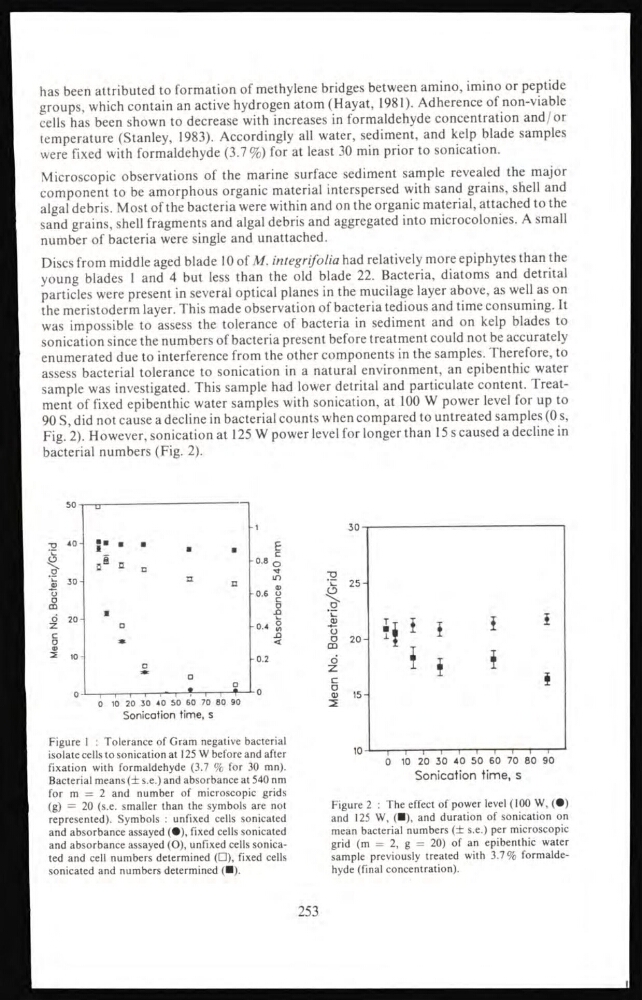
Figure 1 : Tolerance of Gram negative bacterial
isolate cells to sonication at 125 W before and after
fixation with formaldehyde (3.7 % for 30 mn).
Bacterial means (± s.e.) and absorbance at 540 nm
for m = 2 and number of microscopic grids
(g) = 20 (s.e. smaller than the symbols are not
represented). Symbols : unfixed cells sonicated
and absorbance assayed (•), fixed cells sonicated
and absorbance assayed (O), unfixed cells sonicated and cell numbers determined (□), fixed cells
sonicated and numbers determined (■).
Figure 2 : The effect of power level (100 W, (•)
and 125 W, (■), and duration of sonication on
mean bacterial numbers (± s.e.) per microscopic
grid (m = 2, g = 20) of an epibenthic water
sample previously treated with 3.7% formaldehyde (final concentration).
253
groups, which contain an active hydrogen atom (Hayat, 1981). Adherence of non-viable
cells has been shown to decrease with increases in formaldehyde concentration and/or
temperature (Stanley, 1983). Accordingly all water, sediment, and kelp blade samples
were fixed with formaldehyde (3.7 %) for at least 30 min prior to sonication.
Microscopic observations of the marine surface sediment sample revealed the major
component to be amorphous organic material interspersed with sand grains, shell and
algal debris. Most of the bacteria were within and on the organic material, attached to the
sand grains, shell fragments and algal debris and aggregated into microcolonies. A small
number of bacteria were single and unattached.
Discs from middle aged blade 10 of M. integrifolia had relatively more epiphytes than the
young blades 1 and 4 but less than the old blade 22. Bacteria, diatoms and detrital
particles were present in several optical planes in the mucilage layer above, as well as on
the meristoderm layer. This made observation of bacteria tedious and time consuming. It
was impossible to assess the tolerance of bacteria in sediment and on kelp blades to
sonication since the numbers of bacteria present before treatment could not be accurately
enumerated due to interference from the other components in the samples. Therefore, to
assess bacterial tolerance to sonication in a natural environment, an epibenthic water
sample was investigated. This sample had lower detrital and particulate content. Treatment of fixed epibenthic water samples with sonication, at 100 W power level for up to
90 S, did not cause a decline in bacterial counts when compared to untreated samples (0 s,
Fig. 2). However, sonication at 125 W power level for longer than 15 s caused a decline in
bacterial numbers (Fig. 2).
Figure 1 : Tolerance of Gram negative bacterial
isolate cells to sonication at 125 W before and after
fixation with formaldehyde (3.7 % for 30 mn).
Bacterial means (± s.e.) and absorbance at 540 nm
for m = 2 and number of microscopic grids
(g) = 20 (s.e. smaller than the symbols are not
represented). Symbols : unfixed cells sonicated
and absorbance assayed (•), fixed cells sonicated
and absorbance assayed (O), unfixed cells sonicated and cell numbers determined (□), fixed cells
sonicated and numbers determined (■).
Figure 2 : The effect of power level (100 W, (•)
and 125 W, (■), and duration of sonication on
mean bacterial numbers (± s.e.) per microscopic
grid (m = 2, g = 20) of an epibenthic water
sample previously treated with 3.7% formaldehyde (final concentration).
253