

12
F. W. MUNZ
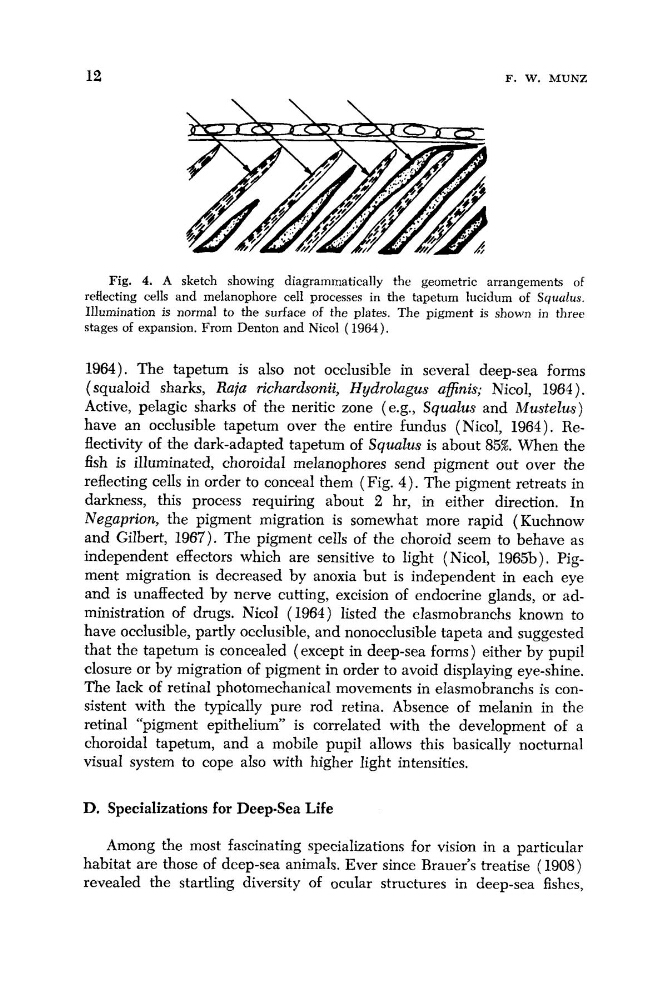
Fig. 4. A sketch showing diagrammatically the geometric arrangements of
reflecting cells and melanophore cell processes in the tapetum lucidum of Squalus.
Illumination is normal to the surface of the plates. The pigment is shown in three
stages of expansion. From Denton and Nicol (1964).
1964). The tapetum is also not occlusible in several deep-sea forms
(squaloid sharks, Raja richardsonii, Hydrolagus afinis; Nicol, 1964 ).
Active, pelagic sharks of the neritic zone (e.g., Squalus and Mustelus)
have an occlusible tapetum over the entire fundus (Nicol, 1964). Reflectivity of the dark-adapted tapetum of Squulus is about 85%. When the
fish is illuminated, choroidal melanophores send pigment out over the
reflecting cells in order to conceal them (Fig. 4). The pigment retreats in
darkness, this process requiring about 2 hr, in either direction. In
Negaprion, the pigment migration is somewhat more rapid (Kuchnow
and Gilbert, 1967). The pigment cells of the choroid seem to behave as
independent effectors which are sensitive to light ( Nicol, 196%). Pigment migration is decreased by anoxia but is independent in each eye
and is unaffected by nerve cutting, excision of endocrine glands, or administration of drugs. Nicol (1964) listed the elasmobranchs known to
have occlusible, partly occlusible, and nonocclusible tapeta and suggested
that the tapetum is concealed (except in deep-sea forms) either by pupil
closure or by migration of pigment in order to avoid displaying eye-shine.
The lack of retinal photomechanical movements in elasmobranchs is consistent with the typically pure rod retina. Absence of melanin in the
retinal “pigment epithelium” is correlated with the development of a
choroidal tapetum, and a mobile pupil allows this basically nocturnal
visual system to cope also with higher light intensities.
D. Specializations for Deep-sea Life
Among the most fascinating specializations for vision in a particular
habitat are those of deep-sea animals. Ever since Brauer’s treatise (1908)
revealed the startling diversity of ocular structures in deep-sea fishes,
F. W. MUNZ
Fig. 4. A sketch showing diagrammatically the geometric arrangements of
reflecting cells and melanophore cell processes in the tapetum lucidum of Squalus.
Illumination is normal to the surface of the plates. The pigment is shown in three
stages of expansion. From Denton and Nicol (1964).
1964). The tapetum is also not occlusible in several deep-sea forms
(squaloid sharks, Raja richardsonii, Hydrolagus afinis; Nicol, 1964 ).
Active, pelagic sharks of the neritic zone (e.g., Squalus and Mustelus)
have an occlusible tapetum over the entire fundus (Nicol, 1964). Reflectivity of the dark-adapted tapetum of Squulus is about 85%. When the
fish is illuminated, choroidal melanophores send pigment out over the
reflecting cells in order to conceal them (Fig. 4). The pigment retreats in
darkness, this process requiring about 2 hr, in either direction. In
Negaprion, the pigment migration is somewhat more rapid (Kuchnow
and Gilbert, 1967). The pigment cells of the choroid seem to behave as
independent effectors which are sensitive to light ( Nicol, 196%). Pigment migration is decreased by anoxia but is independent in each eye
and is unaffected by nerve cutting, excision of endocrine glands, or administration of drugs. Nicol (1964) listed the elasmobranchs known to
have occlusible, partly occlusible, and nonocclusible tapeta and suggested
that the tapetum is concealed (except in deep-sea forms) either by pupil
closure or by migration of pigment in order to avoid displaying eye-shine.
The lack of retinal photomechanical movements in elasmobranchs is consistent with the typically pure rod retina. Absence of melanin in the
retinal “pigment epithelium” is correlated with the development of a
choroidal tapetum, and a mobile pupil allows this basically nocturnal
visual system to cope also with higher light intensities.
D. Specializations for Deep-sea Life
Among the most fascinating specializations for vision in a particular
habitat are those of deep-sea animals. Ever since Brauer’s treatise (1908)
revealed the startling diversity of ocular structures in deep-sea fishes,