

4. CHEMORECEPTION
99
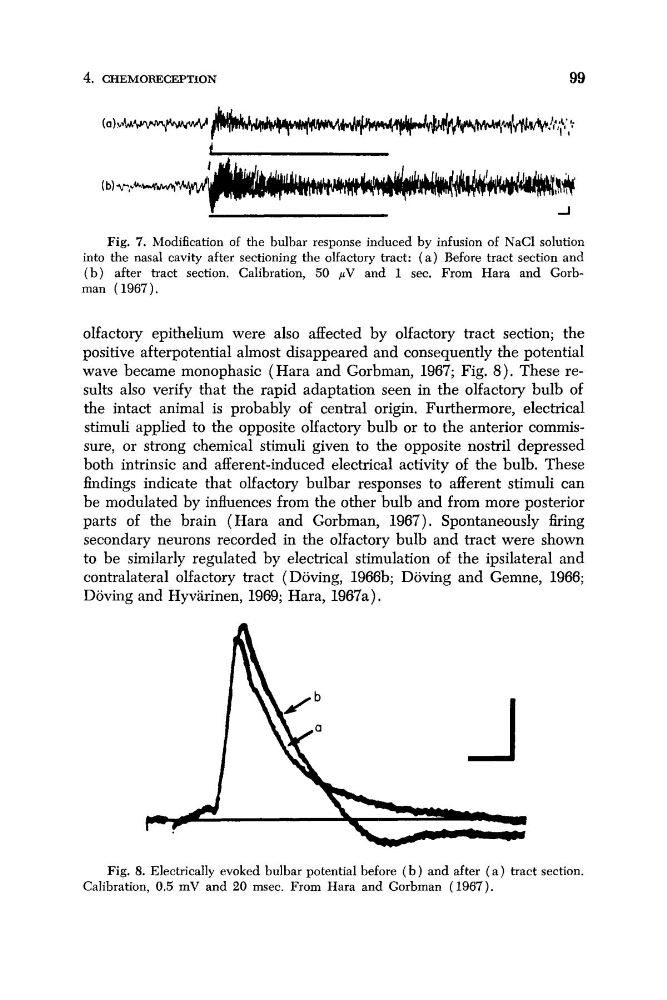
Fig. 7. Modification of the bulbar response induced by infusion of NaCl solution
into the nasal cavity after sectioning the olfactory tract: ( a ) Before tract section and
( b ) after tract section. Calibration, 50 $V and 1 sec. From Hara and Gorbman (1967).
olfactory epithelium were also affected by olfactory tract section; the
positive afterpotential almost disappeared and consequently the potential
wave became monophasic (Hara and Gorbman, 1967; Fig. 8 ) . These results also verify that the rapid adaptation seen in the olfactory bulb of
the intact animal is probably of central origin. Furthermore, electrical
stimuli applied to the opposite olfactory bulb or to the anterior commissure, or strong chemical stimuli given to the opposite nostril depressed
both intrinsic and afferent-induced electrical activity of the bulb. These
findings indicate that olfactory bulbar responses to afferent stimuli can
be modulated by influences from the other bulb and from more posterior
parts of the brain (Hara and Gorbman, 1967). Spontaneously firing
secondary neurons recorded in the olfactory bulb and tract were shown
to be similarly regulated by electrical stimulation of the ipsilateral and
contralateral olfactory tract ( Doving, 196613; Diiving and Gemne, 1966;
Doving and Hyvarinen, 1969; Hara, 1967a).
Fig. 8. Electrically evoked bulbar potential before ( b ) and after ( a ) tract section.
Calibration, 0.5 mV and 20 msec. From Hara and Gorbman (1967).
99
Fig. 7. Modification of the bulbar response induced by infusion of NaCl solution
into the nasal cavity after sectioning the olfactory tract: ( a ) Before tract section and
( b ) after tract section. Calibration, 50 $V and 1 sec. From Hara and Gorbman (1967).
olfactory epithelium were also affected by olfactory tract section; the
positive afterpotential almost disappeared and consequently the potential
wave became monophasic (Hara and Gorbman, 1967; Fig. 8 ) . These results also verify that the rapid adaptation seen in the olfactory bulb of
the intact animal is probably of central origin. Furthermore, electrical
stimuli applied to the opposite olfactory bulb or to the anterior commissure, or strong chemical stimuli given to the opposite nostril depressed
both intrinsic and afferent-induced electrical activity of the bulb. These
findings indicate that olfactory bulbar responses to afferent stimuli can
be modulated by influences from the other bulb and from more posterior
parts of the brain (Hara and Gorbman, 1967). Spontaneously firing
secondary neurons recorded in the olfactory bulb and tract were shown
to be similarly regulated by electrical stimulation of the ipsilateral and
contralateral olfactory tract ( Doving, 196613; Diiving and Gemne, 1966;
Doving and Hyvarinen, 1969; Hara, 1967a).
Fig. 8. Electrically evoked bulbar potential before ( b ) and after ( a ) tract section.
Calibration, 0.5 mV and 20 msec. From Hara and Gorbman (1967).