

412
C. B. COWEY AND J. R. SARQENT
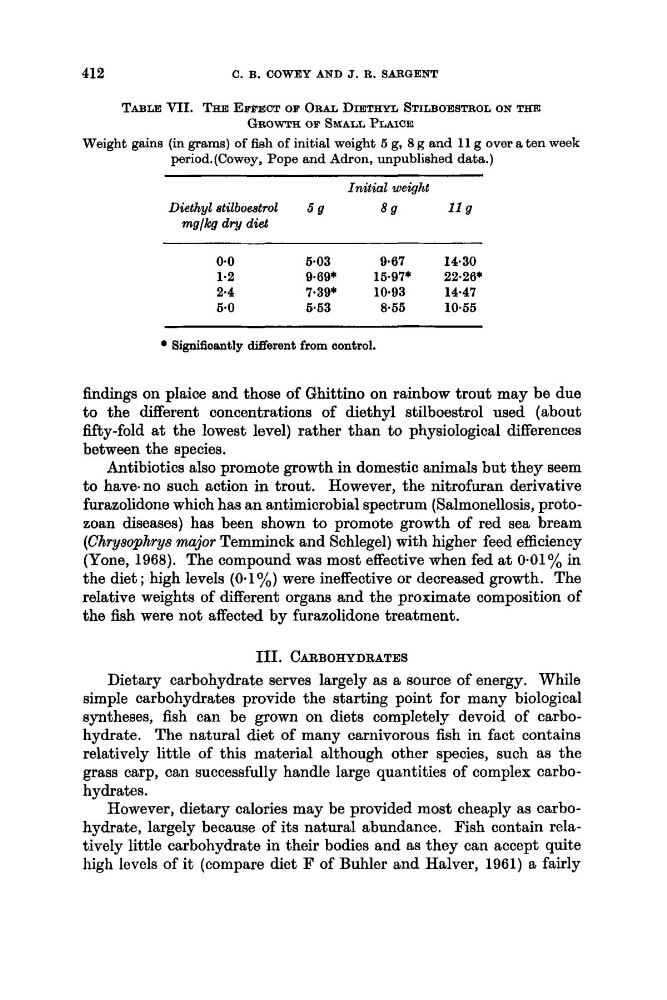
TABLE VII. THE EFFECT OF ORAL DIETHYL STILBOESTROL ON TEE
GROWTH OF SMALL PLAICE
Weight gains (in gram) of fish of initial weight 5 g, 8 g and 11 g over a ten week
period. (Cowey, Pope and Adron, unpublished data.)
Initial weight
Diethy1 etilboestrol
5 g
8 g
11 g
rnglkg dry diet
0.0
5.03
9.67
14-30
1.2
9.69*
15*97*
22*26*
2.4
7*39*
10.93
14.47
5.0
5.63
8.65
10.55
Signiiiomtly Werent from oontrol.
findings on plaice and those of Ghittino on rainbow trout may be due
to the different concentrations of diethyl stilboestrol used (about
fifty-fold at the lowest level) rather than to physiological differences
between the species.
Antibiotics also promote growth in domestic animals but they seem
to have.no such action in trout. However, the nitrofuran derivative
furazolidone which has an antimicrobial spectrum (Salmonellosis, protozoan diseases) has been shown to promote growth of red sea bream
(Chrpophrys major Temminck and Schlegel) with higher feed efficiency
(Yone, 1968). The compound was most effective when fed at 0.01% in
the diet ; high levels (O.lyo) were ineffective or decreased growth. The
relative weights of different organs and the proximate composition of
the fish were not affected by furazolidone treatment.
111. CARBOHYDRATES
Dietary carbohydrate serves largely as a source of energy. While
simple carbohydrates provide the starting point for many biological
syntheses, fish can be grown on diets completely devoid of carbohydrate. The natural diet of many carnivorous fish in fact contains
relatively little of this material although other species, such as the
grass carp, can successfully handle large quantities of complex carbohydrates.
However, dietary calories may be provided most cheaply as carbohydrate, largely because of its natural abundance. Fish contain relatively little carbohydrate in their bodies and as they can accept quite
high levels of it (compare diet F of Buhler and Halver, 1961) a fairly
C. B. COWEY AND J. R. SARQENT
TABLE VII. THE EFFECT OF ORAL DIETHYL STILBOESTROL ON TEE
GROWTH OF SMALL PLAICE
Weight gains (in gram) of fish of initial weight 5 g, 8 g and 11 g over a ten week
period. (Cowey, Pope and Adron, unpublished data.)
Initial weight
Diethy1 etilboestrol
5 g
8 g
11 g
rnglkg dry diet
0.0
5.03
9.67
14-30
1.2
9.69*
15*97*
22*26*
2.4
7*39*
10.93
14.47
5.0
5.63
8.65
10.55
Signiiiomtly Werent from oontrol.
findings on plaice and those of Ghittino on rainbow trout may be due
to the different concentrations of diethyl stilboestrol used (about
fifty-fold at the lowest level) rather than to physiological differences
between the species.
Antibiotics also promote growth in domestic animals but they seem
to have.no such action in trout. However, the nitrofuran derivative
furazolidone which has an antimicrobial spectrum (Salmonellosis, protozoan diseases) has been shown to promote growth of red sea bream
(Chrpophrys major Temminck and Schlegel) with higher feed efficiency
(Yone, 1968). The compound was most effective when fed at 0.01% in
the diet ; high levels (O.lyo) were ineffective or decreased growth. The
relative weights of different organs and the proximate composition of
the fish were not affected by furazolidone treatment.
111. CARBOHYDRATES
Dietary carbohydrate serves largely as a source of energy. While
simple carbohydrates provide the starting point for many biological
syntheses, fish can be grown on diets completely devoid of carbohydrate. The natural diet of many carnivorous fish in fact contains
relatively little of this material although other species, such as the
grass carp, can successfully handle large quantities of complex carbohydrates.
However, dietary calories may be provided most cheaply as carbohydrate, largely because of its natural abundance. Fish contain relatively little carbohydrate in their bodies and as they can accept quite
high levels of it (compare diet F of Buhler and Halver, 1961) a fairly