

262
D. H. CIJSHINQ
the Pacific). Between the two equatorial currents runs an eastbound
Equatorial Countercurrent (at 5-10°N in the Pacific). At the equator
beneath the South Equatorial Current runs the eastbound undercurrent, or in the Pacific, the Cromwell Current, which runs between
140OW and the Galapagos Islands. In the western ocean two undercurrents may appear beneath the North and South Equatorial Currents.
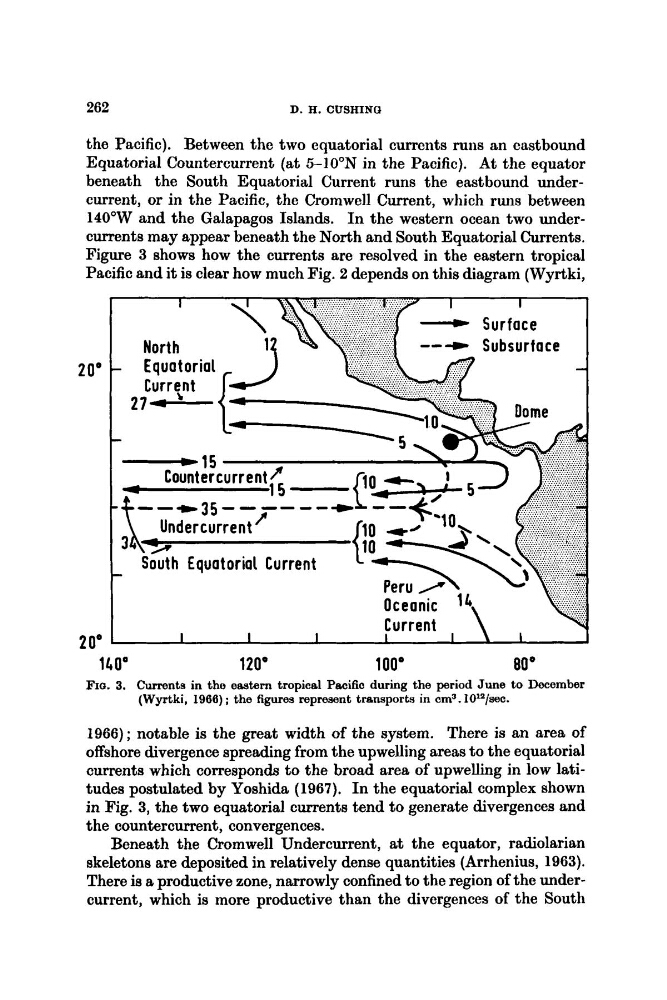
Figure 3 shows how the currents are resolved in the eastern tropical
Pacific and it is clear how much Fig. 2 depends on this diagram (Wyrtki,
2 0"
2 0"
1 4 0"
120"
100"
80'
FIG. 3. Currents in the eastern tropical Pacific during the period June to December
(Wyrtki, 1966) ; the figures represent transports in cm3. I012/sec.
1966) ; notable is the great width of the system. There is an area of
offshore divergence spreading from the upwelling areas to the equatorial
currents which corresponds t o the broad area of upwelling in low latitudes postulated by Yoshida (1967). In the equatorial complex shown
in Fig. 3, the two equatorial currents tend to generate divergences and
the countercurrent, convergences.
Beneath the Cromwell Undercurrent, at the equator, radiolarian
skeletons are deposited in relatively dense quantities (Arrhenius, 1963).
There is a productive zone, narrowly confined to the region of the undercurrent, which is more productive than the divergences of the South
D. H. CIJSHINQ
the Pacific). Between the two equatorial currents runs an eastbound
Equatorial Countercurrent (at 5-10°N in the Pacific). At the equator
beneath the South Equatorial Current runs the eastbound undercurrent, or in the Pacific, the Cromwell Current, which runs between
140OW and the Galapagos Islands. In the western ocean two undercurrents may appear beneath the North and South Equatorial Currents.
Figure 3 shows how the currents are resolved in the eastern tropical
Pacific and it is clear how much Fig. 2 depends on this diagram (Wyrtki,
2 0"
2 0"
1 4 0"
120"
100"
80'
FIG. 3. Currents in the eastern tropical Pacific during the period June to December
(Wyrtki, 1966) ; the figures represent transports in cm3. I012/sec.
1966) ; notable is the great width of the system. There is an area of
offshore divergence spreading from the upwelling areas to the equatorial
currents which corresponds t o the broad area of upwelling in low latitudes postulated by Yoshida (1967). In the equatorial complex shown
in Fig. 3, the two equatorial currents tend to generate divergences and
the countercurrent, convergences.
Beneath the Cromwell Undercurrent, at the equator, radiolarian
skeletons are deposited in relatively dense quantities (Arrhenius, 1963).
There is a productive zone, narrowly confined to the region of the undercurrent, which is more productive than the divergences of the South