

FAUNA AND FLORA O F MANGROVE SWAMPS
197
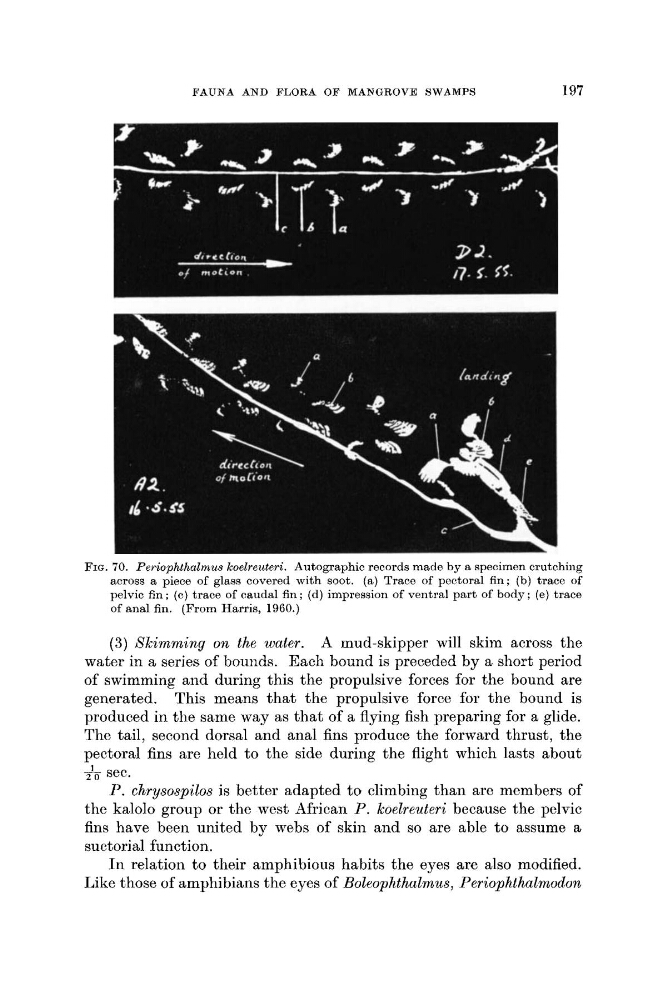
FIG. 70. Periophthalmus koelreuteri. Autographic records made by a specimen crutching
across a piece of glass covered with soot. (a) Trace of pectoral fin; (b) trace of
pelvic fin ; (c) trace of caudal fin ; (d) impression of ventral part of body ; (e) trace
of anal fin. (From Harris, 1960.)
(3) Skinanzing on the water. A mud-skipper will skim across the
water in a series of bounds. Each bound is preceded by a short period
of swimming and during this the propulsive forces for the bound are
generated. This means that the propulsive force for the bound is
produced in the same way as that of a flying fish preparing for a glide.
The tail, second dorsal and anal fins produce the forward thrust, the
pectoral fins are held to the side during the flight which lasts about
;
o
see.
P. chrysospilos is better adapted to climbing than are members of
the kalolo group or the west African P. koelreuteri because the pelvic
fins have been united by webs of skin and so are able to assume a
suetorial function.
I n relation to their amphibious habits the eyes are also modified.
Like those of amphibians the eyes of Boleophthalmus, Periophthalmodon
__
197
FIG. 70. Periophthalmus koelreuteri. Autographic records made by a specimen crutching
across a piece of glass covered with soot. (a) Trace of pectoral fin; (b) trace of
pelvic fin ; (c) trace of caudal fin ; (d) impression of ventral part of body ; (e) trace
of anal fin. (From Harris, 1960.)
(3) Skinanzing on the water. A mud-skipper will skim across the
water in a series of bounds. Each bound is preceded by a short period
of swimming and during this the propulsive forces for the bound are
generated. This means that the propulsive force for the bound is
produced in the same way as that of a flying fish preparing for a glide.
The tail, second dorsal and anal fins produce the forward thrust, the
pectoral fins are held to the side during the flight which lasts about
;
o
see.
P. chrysospilos is better adapted to climbing than are members of
the kalolo group or the west African P. koelreuteri because the pelvic
fins have been united by webs of skin and so are able to assume a
suetorial function.
I n relation to their amphibious habits the eyes are also modified.
Like those of amphibians the eyes of Boleophthalmus, Periophthalmodon
__