

224
N . A . H O L M E
towing strain is boriw by the nippcr. Any excessive strain will break
the rope, rclcrtne the grip of the nipper, so allowing further wire to be
paid out freely from the winch drum.
If a very light inst,rumcnt is to be worked from a large ship, it
can be towed from a rope attached to a convenient cleat. Part of the
length of the rope is coiled up on deck, and if the dredge should foul
an obstruction, the spare rope can bc paid out by hand. On the extreme
To strong point
Retaining line
To trawl
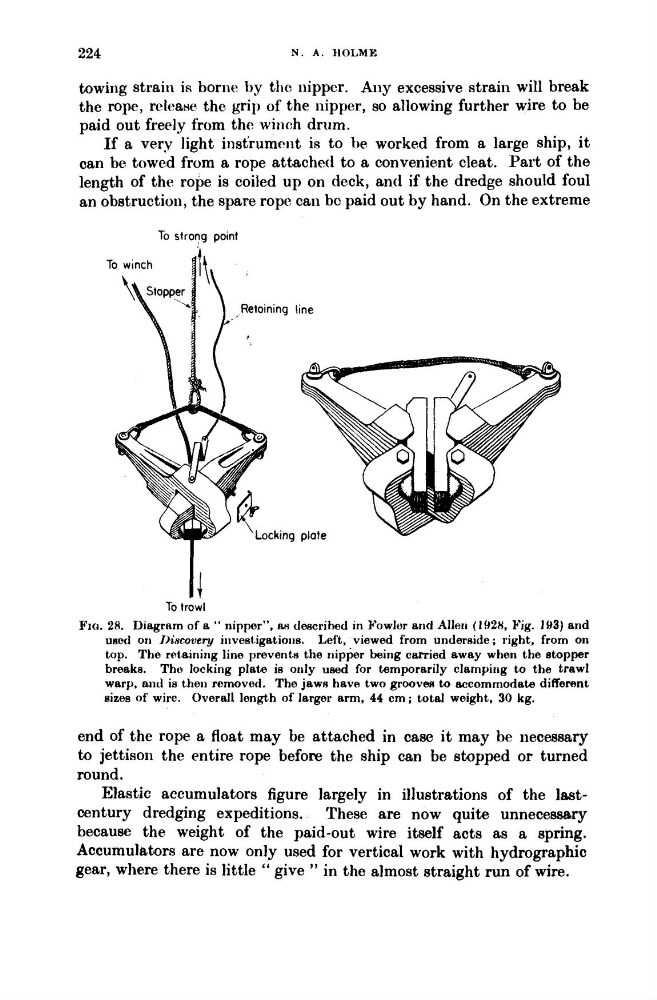
FIG. 28. Diagram of a " nipper", an descrihed in Fowlor and Allen (1928, Fig. 193) and
usod on Dixcovery investigations. Left, viewed from underside ; right, from on
top. The retaining line prevents the nipper being carried away when the stopper
breaks. Tho locking plate is otdy used for temporarily clamping to the trawl
warp. ant1 is then removed. The jaws have two grooven to accommodate different
sizes of wire. Overall length of larger arm, 44 cm; total weight, 30 kg.
end of the rope a float may be attached in caw it may be necessary
to jettison the entire rope before the ship can be stopped or turned
round.
Elastic accumulators figure largely in illustrations of the lastcentury dredging expeditions. These are. now quite unnecessary
because the weight of the paid-out wire itself acts as a spring.
Accumulators are now only used for vertical work with hydrographic
gear, where there is little " give " in the almost straight run of wire.
N . A . H O L M E
towing strain is boriw by the nippcr. Any excessive strain will break
the rope, rclcrtne the grip of the nipper, so allowing further wire to be
paid out freely from the winch drum.
If a very light inst,rumcnt is to be worked from a large ship, it
can be towed from a rope attached to a convenient cleat. Part of the
length of the rope is coiled up on deck, and if the dredge should foul
an obstruction, the spare rope can bc paid out by hand. On the extreme
To strong point
Retaining line
To trawl
FIG. 28. Diagram of a " nipper", an descrihed in Fowlor and Allen (1928, Fig. 193) and
usod on Dixcovery investigations. Left, viewed from underside ; right, from on
top. The retaining line prevents the nipper being carried away when the stopper
breaks. Tho locking plate is otdy used for temporarily clamping to the trawl
warp. ant1 is then removed. The jaws have two grooven to accommodate different
sizes of wire. Overall length of larger arm, 44 cm; total weight, 30 kg.
end of the rope a float may be attached in caw it may be necessary
to jettison the entire rope before the ship can be stopped or turned
round.
Elastic accumulators figure largely in illustrations of the lastcentury dredging expeditions. These are. now quite unnecessary
because the weight of the paid-out wire itself acts as a spring.
Accumulators are now only used for vertical work with hydrographic
gear, where there is little " give " in the almost straight run of wire.