

84
VTCTOR L. LOOSANOFF AND HARRY C. DAVIS
B. Mercenaria (= Venus) mercenaria (Linnt5)
Literature pertaining to the natural history and propagation of
this species has already been reviewed.
These clams can be conditioned and induced to spawn throughout
the year. As in the case of oysters, hoth chemical stimulation, by the
addition of suspensions of sex products, and physical methods, by
increasing the water temperature, are effective. However, stripped
eggs, if not treated with certain chemicals, cannot be fertilized.
Eggs proper of these clams measure between 70 and 73 p in diameter
and differ from eggs of some other lamellibranchs in that they are
surrounded by a thick membrane, the diameter of which ranges from
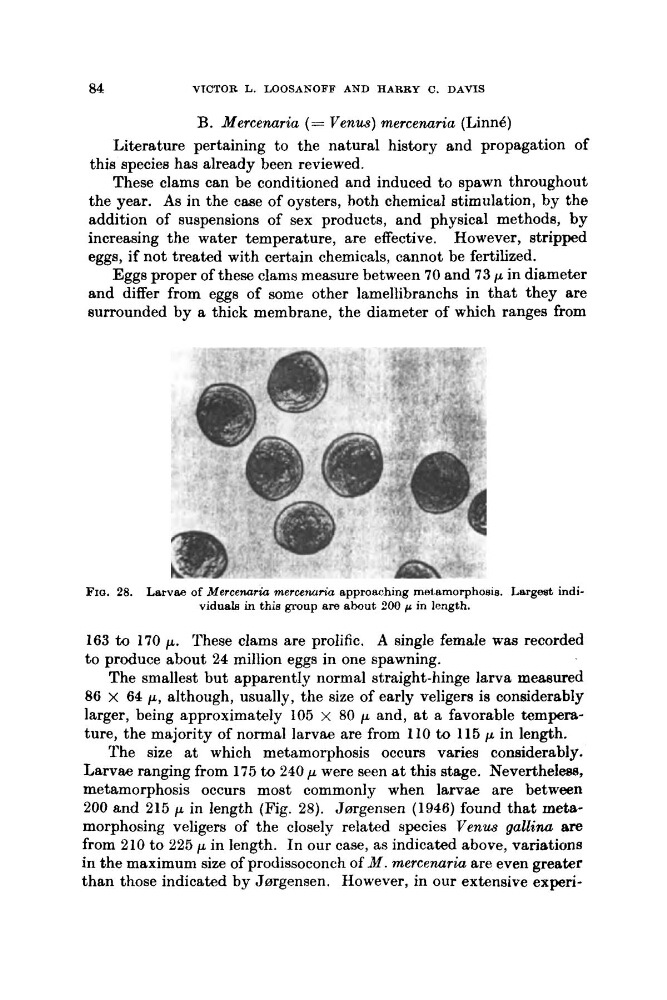
FIG. 28. Larvae of Mercemfiu rnercewria approaching metarnorphosie. Legeat individuale in thie group are about 200 p in length.
163 to 170 p. These clams are prolific. A single female was recorded
to produce about 24 million eggs in one spawning.
The smallest but apparently normal straight-hinge larva measured
86 x 64 p , although, usually, the size of early veligers is considerably
larger, being approximately 105 x 80 p and, at a favorable temperature, the majority of normal larvae are from 110 to 115 p in length.
The size at which metamorphosis occurs varies considerably.
Larvae ranging from 175 to 240 p were seen at this stage. Nevertheless,
metamorphosis occurs most commonly when larvae are between
200 and 215 p in length (Fig. 28). Jsrgensen (1946) found that metsmorphosing veligers of the closely related species Venus gallina are
from 210 to 225 p in length. In our case, as indicated above, variations
in the maximum size of prodissoconch of M . mercenaria are even greater
than those indicated by Jmgensen. However, in our extensive experi-
VTCTOR L. LOOSANOFF AND HARRY C. DAVIS
B. Mercenaria (= Venus) mercenaria (Linnt5)
Literature pertaining to the natural history and propagation of
this species has already been reviewed.
These clams can be conditioned and induced to spawn throughout
the year. As in the case of oysters, hoth chemical stimulation, by the
addition of suspensions of sex products, and physical methods, by
increasing the water temperature, are effective. However, stripped
eggs, if not treated with certain chemicals, cannot be fertilized.
Eggs proper of these clams measure between 70 and 73 p in diameter
and differ from eggs of some other lamellibranchs in that they are
surrounded by a thick membrane, the diameter of which ranges from
FIG. 28. Larvae of Mercemfiu rnercewria approaching metarnorphosie. Legeat individuale in thie group are about 200 p in length.
163 to 170 p. These clams are prolific. A single female was recorded
to produce about 24 million eggs in one spawning.
The smallest but apparently normal straight-hinge larva measured
86 x 64 p , although, usually, the size of early veligers is considerably
larger, being approximately 105 x 80 p and, at a favorable temperature, the majority of normal larvae are from 110 to 115 p in length.
The size at which metamorphosis occurs varies considerably.
Larvae ranging from 175 to 240 p were seen at this stage. Nevertheless,
metamorphosis occurs most commonly when larvae are between
200 and 215 p in length (Fig. 28). Jsrgensen (1946) found that metsmorphosing veligers of the closely related species Venus gallina are
from 210 to 225 p in length. In our case, as indicated above, variations
in the maximum size of prodissoconch of M . mercenaria are even greater
than those indicated by Jmgensen. However, in our extensive experi-