

384
CHARLES J. KREBS AND JUDITH H. MYERS
INCREASE I N NUMBERS
/” MUTUALjNTERFEREN\
REDUCED’ GROWTH OF
EMIGRATION^ COLONIZATION
OF VACANT
AREAS
REFUGE
POPULATIONS
IN MARGINAL
HABITATS
OTHER
CONTINGENCIES
RESIDENT POPULATION
BECAUSE OF:
R E P R O D U C T
LOWER
j O R T A L l T Y
\ INCREASED
SELECTION FOR
J
SPACING BEHAVIOR AND
AGAINST OTHER
ATTRIBUTES
REDUCED POPULATION SIZE
I
/
IMMIGRATION
J.
1 REDUCED INTERFERENCE
1
\ SELECTION FOR HIGH
REPRODUCTIVE POTENTIAL
INCREASE IN NUMBERS
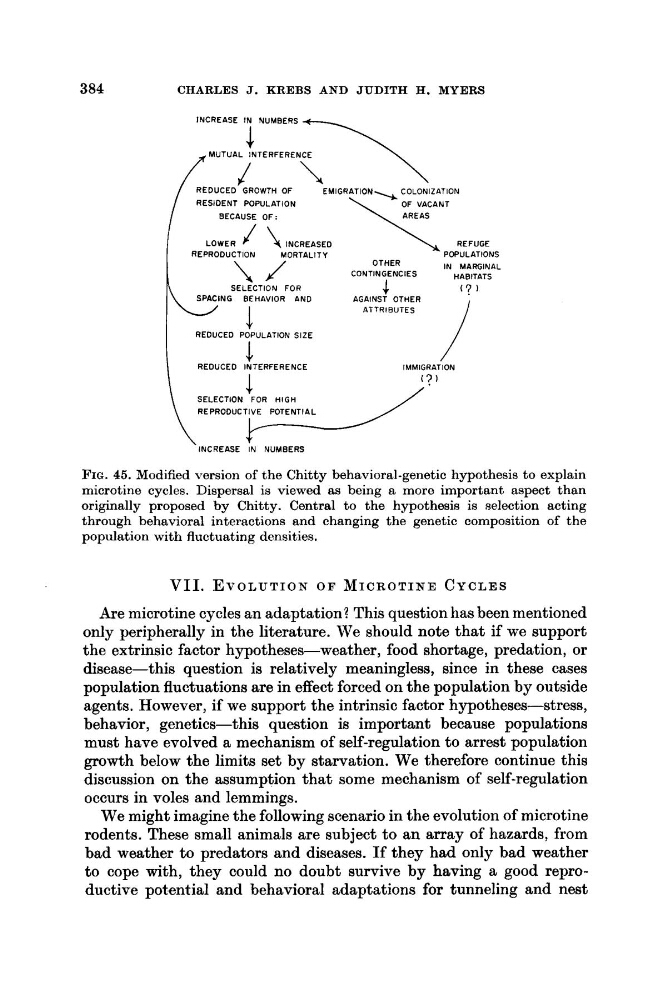
FIG. 46. Modified version of the Chitty behavioral-genetic hypothesis to explain
microtine cycles. Dispersal is viewed as being a more important aspect than
originally proposed by Chitty. Central to the hypothesis is selection acting
through behavioral interactions and changing the genetic composition of the
population with fluctuating densities.
V I I . E V O L U T I O N
O F MICROTINE CYCLES
Are microtine cycles an adaptation? This question has been mentioned
only peripherally in the literature. We should note that if we support
the extrinsic factor hypotheses-weather, food shortage, predation, or
disease-this question is relatively meaningless, since in these cases
population fluctuations are in effect forced on the population by outside
agents. However, if we support the intrinsic factor hypotheses-stress,
behavior, genetics-this question is important because populations
must have evolved a mechanism of self-regulation to arrest population
growth below the limits set by starvation. We therefore continue this
discussion on the assumption that some mechanism of self-regulation
occurs in voles and lemmings.
We might imagine the following scenario in the evolution of microtine
rodents. These small animals are subject to an array of hazards, from
bad weather to predators and diseases. If they had only bad weather
to cope with, they could no doubt survive by having a good reproductive potential and behavioral adaptations for tunneling and nest
CHARLES J. KREBS AND JUDITH H. MYERS
INCREASE I N NUMBERS
/” MUTUALjNTERFEREN\
REDUCED’ GROWTH OF
EMIGRATION^ COLONIZATION
OF VACANT
AREAS
REFUGE
POPULATIONS
IN MARGINAL
HABITATS
OTHER
CONTINGENCIES
RESIDENT POPULATION
BECAUSE OF:
R E P R O D U C T
LOWER
j O R T A L l T Y
\ INCREASED
SELECTION FOR
J
SPACING BEHAVIOR AND
AGAINST OTHER
ATTRIBUTES
REDUCED POPULATION SIZE
I
/
IMMIGRATION
J.
1 REDUCED INTERFERENCE
1
\ SELECTION FOR HIGH
REPRODUCTIVE POTENTIAL
INCREASE IN NUMBERS
FIG. 46. Modified version of the Chitty behavioral-genetic hypothesis to explain
microtine cycles. Dispersal is viewed as being a more important aspect than
originally proposed by Chitty. Central to the hypothesis is selection acting
through behavioral interactions and changing the genetic composition of the
population with fluctuating densities.
V I I . E V O L U T I O N
O F MICROTINE CYCLES
Are microtine cycles an adaptation? This question has been mentioned
only peripherally in the literature. We should note that if we support
the extrinsic factor hypotheses-weather, food shortage, predation, or
disease-this question is relatively meaningless, since in these cases
population fluctuations are in effect forced on the population by outside
agents. However, if we support the intrinsic factor hypotheses-stress,
behavior, genetics-this question is important because populations
must have evolved a mechanism of self-regulation to arrest population
growth below the limits set by starvation. We therefore continue this
discussion on the assumption that some mechanism of self-regulation
occurs in voles and lemmings.
We might imagine the following scenario in the evolution of microtine
rodents. These small animals are subject to an array of hazards, from
bad weather to predators and diseases. If they had only bad weather
to cope with, they could no doubt survive by having a good reproductive potential and behavioral adaptations for tunneling and nest