

POPULATION CYCLES IN SMALL MAMMALS
335
that if winter breeding were prevented in most years because of
nutrient deficiency, the most important nutrient would have been
strikingly higher in the autumn preceding the summer of peak lemming
density (e.g. 1960). The concentration of sodium was twice aa high in
August of 1969 as it was in August of other years but this waa the
only nutrient to show this trend (Pieper, 1964). However, Schultz
(1969, p. 88) dispenses with sodium as a nutrient possibly important
to lemming cycles by the statement " . . . sodium show(s) no relationship
to lemming numbers at all, nor were the data cyclic". In August,
@ 1960
-16
-24
-32
-40
-48
-56
Proportion Phosphorus in Vegetation
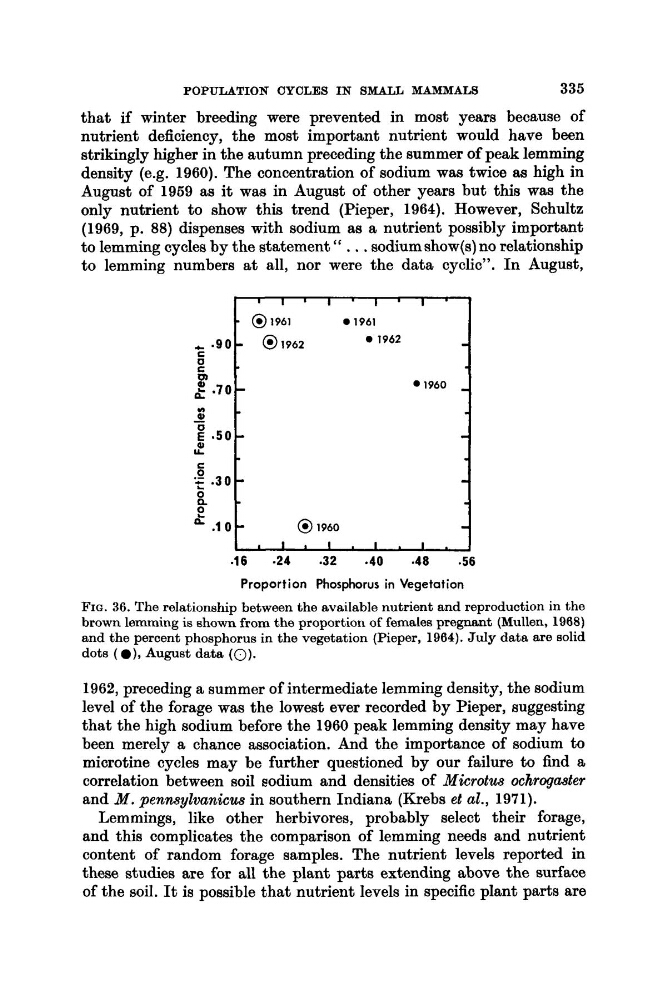
FIG. 36. The relationship between the available nutrient and reproduction in the
brown lemming is shown from the proportion of females pregnant (Mullen, 1968)
and the percent phosphorus in the vegetation (Pieper, 1964). July data are solid
dots (e), August data (0).
1962, preceding a summer of intermediate lemming density, the sodium
level of the forage was the lowest ever recorded by Pieper, suggesting
that the high sodium before the 1960 peak lemming density may have
been merely a chance association. And the importance of sodium to
microtine cycles may be further questioned by our failure to find a
correlation between soil sodium and densities of Microtus ochrogaster
and M . pennsylvaniczls in southern Indiana (Krebs et al., 1971).
Lemmings, like other herbivores, probably select their forage,
and this complicates the comparison of lemming needs and nutrient
content of random forage samples. The nutrient levels reported in
these studies are for all the plant parts extending above the surface
of the soil. It is possible that nutrient levels in specific plant parts are
335
that if winter breeding were prevented in most years because of
nutrient deficiency, the most important nutrient would have been
strikingly higher in the autumn preceding the summer of peak lemming
density (e.g. 1960). The concentration of sodium was twice aa high in
August of 1969 as it was in August of other years but this waa the
only nutrient to show this trend (Pieper, 1964). However, Schultz
(1969, p. 88) dispenses with sodium as a nutrient possibly important
to lemming cycles by the statement " . . . sodium show(s) no relationship
to lemming numbers at all, nor were the data cyclic". In August,
@ 1960
-16
-24
-32
-40
-48
-56
Proportion Phosphorus in Vegetation
FIG. 36. The relationship between the available nutrient and reproduction in the
brown lemming is shown from the proportion of females pregnant (Mullen, 1968)
and the percent phosphorus in the vegetation (Pieper, 1964). July data are solid
dots (e), August data (0).
1962, preceding a summer of intermediate lemming density, the sodium
level of the forage was the lowest ever recorded by Pieper, suggesting
that the high sodium before the 1960 peak lemming density may have
been merely a chance association. And the importance of sodium to
microtine cycles may be further questioned by our failure to find a
correlation between soil sodium and densities of Microtus ochrogaster
and M . pennsylvaniczls in southern Indiana (Krebs et al., 1971).
Lemmings, like other herbivores, probably select their forage,
and this complicates the comparison of lemming needs and nutrient
content of random forage samples. The nutrient levels reported in
these studies are for all the plant parts extending above the surface
of the soil. It is possible that nutrient levels in specific plant parts are