

ECCICOOY, SYBTEMATICS AND EVOLUTION OF AUSTRALIAN FRO08 47
I E 4 1
E
-
0 22
028
017
016
018
015
,
021
01
0 8
32&9
O31 ' 3 0
c5
024
025
020
023
026
027
0 1 1
013 14
0
019
I
1
I
I
I
I
J
1 0
20
30
40
50
60
70
Length of female (mm)
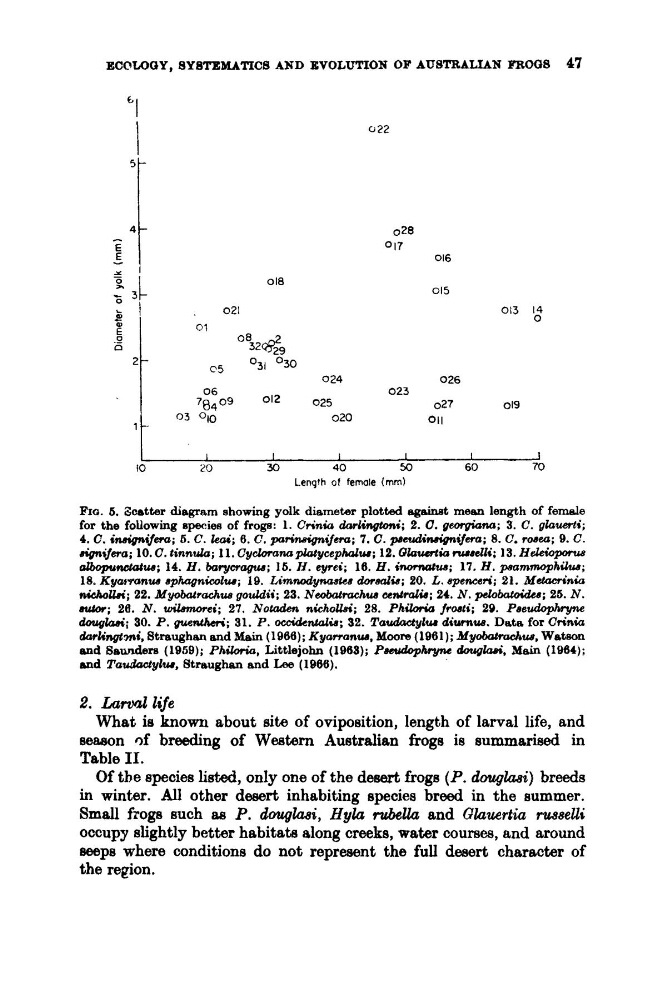
FIG. 6. 8cstter diagram showing yolk diemeter plotted
meen lmgth of female
for the foUowing species of frogs: 1. Crinia dudinqkmi; 2. C. georqkna; 3. C. gkruerti;
4. C. inaionifenr; 6. C . &ui; 6 . C . patineignifrro; 7. C. peudinaignifera; 8. C. roueu; 9. C.
rignifen; 10.0. tinnula; 11. Cyckmcnapbtycephalur; 1 2 . 0 h ~ i a r t u a & i ; 13. H&ioporcle
dbqpmoldw; 14. H. barycragud; 16. H . eyrei; 16. H. inonrahrs; 17. H. paammophiha;
18. Kyawanw aplragniwttw; 19. Limdynaam &raalw; 20. L. apenca+i; 21. MUarrinia
&lki;
22. ddyobatrachua gouldii; 23. Ncobalmoiuls ccntdw; 24. N . pclobdoidcs; 26. N .
cutor; 28. N . h e i ; 27. Notaden nichoUsi; 28. Philwio froati; 29. Paswrophryne
douglaa'; 30. P. g~ntheri; 31. P. occidcntalis; 32. Taudact&a diwntw. Data for Ctinia
&rfimmi, dtraughen and Mein (1966); Kyawanur, Moore (1961); My-w,
WetSon
end dewders (1969); Ph-,
Littlejohn (1963); Paeudophrgw dougkwi, Mein (1964);
and TaUd4etylur. dtreughm and Lee (1966).
2. L a d life
What is known about site of oviposition, length of larval life, and
88&8on of breeding of Western Australian frogs is summarised in
Table 11.
Of the species listed, only one of the desert frogs (P. douglaei) breeds
in winter. All other desert inhabiting species breed in the summer.
Small frogs such aa P. CEoUgluai, Hyla rubella and Qkzuertia rwrselli
occupy slightly better habitah along creeks, water courses, and around
seeps where conditions do not represent the full desert character of
the region.
I E 4 1
E
-
0 22
028
017
016
018
015
,
021
01
0 8
32&9
O31 ' 3 0
c5
024
025
020
023
026
027
0 1 1
013 14
0
019
I
1
I
I
I
I
J
1 0
20
30
40
50
60
70
Length of female (mm)
FIG. 6. 8cstter diagram showing yolk diemeter plotted
meen lmgth of female
for the foUowing species of frogs: 1. Crinia dudinqkmi; 2. C. georqkna; 3. C. gkruerti;
4. C. inaionifenr; 6. C . &ui; 6 . C . patineignifrro; 7. C. peudinaignifera; 8. C. roueu; 9. C.
rignifen; 10.0. tinnula; 11. Cyckmcnapbtycephalur; 1 2 . 0 h ~ i a r t u a & i ; 13. H&ioporcle
dbqpmoldw; 14. H. barycragud; 16. H . eyrei; 16. H. inonrahrs; 17. H. paammophiha;
18. Kyawanw aplragniwttw; 19. Limdynaam &raalw; 20. L. apenca+i; 21. MUarrinia
&lki;
22. ddyobatrachua gouldii; 23. Ncobalmoiuls ccntdw; 24. N . pclobdoidcs; 26. N .
cutor; 28. N . h e i ; 27. Notaden nichoUsi; 28. Philwio froati; 29. Paswrophryne
douglaa'; 30. P. g~ntheri; 31. P. occidcntalis; 32. Taudact&a diwntw. Data for Ctinia
&rfimmi, dtraughen and Mein (1966); Kyawanur, Moore (1961); My-w,
WetSon
end dewders (1969); Ph-,
Littlejohn (1963); Paeudophrgw dougkwi, Mein (1964);
and TaUd4etylur. dtreughm and Lee (1966).
2. L a d life
What is known about site of oviposition, length of larval life, and
88&8on of breeding of Western Australian frogs is summarised in
Table 11.
Of the species listed, only one of the desert frogs (P. douglaei) breeds
in winter. All other desert inhabiting species breed in the summer.
Small frogs such aa P. CEoUgluai, Hyla rubella and Qkzuertia rwrselli
occupy slightly better habitah along creeks, water courses, and around
seeps where conditions do not represent the full desert character of
the region.