

ANALYSIS O F PROCESSES I N CONTROL O F INSECTS
41
TABLE I1
Late-stage Mortality of Broom Beetle Phytodecta olivacea, f r m the
Life-Tables of Richards and Waloff (1961)
~~
1954
1955
1956
1957
1958
Mortality as yo initial numbers (eggs)
up to autumn adult stage
92.6
94.3
99.2
96.4
95.7
up to spring adult stage
97.0
98.2
99.6
97.6
97.8
difference
4.4
3.9
0.4
1.2
2.1
% of autumn adults
60.3
68.2
46.4
33.6
48.8
Mortality of adults, autumn to spring, aa
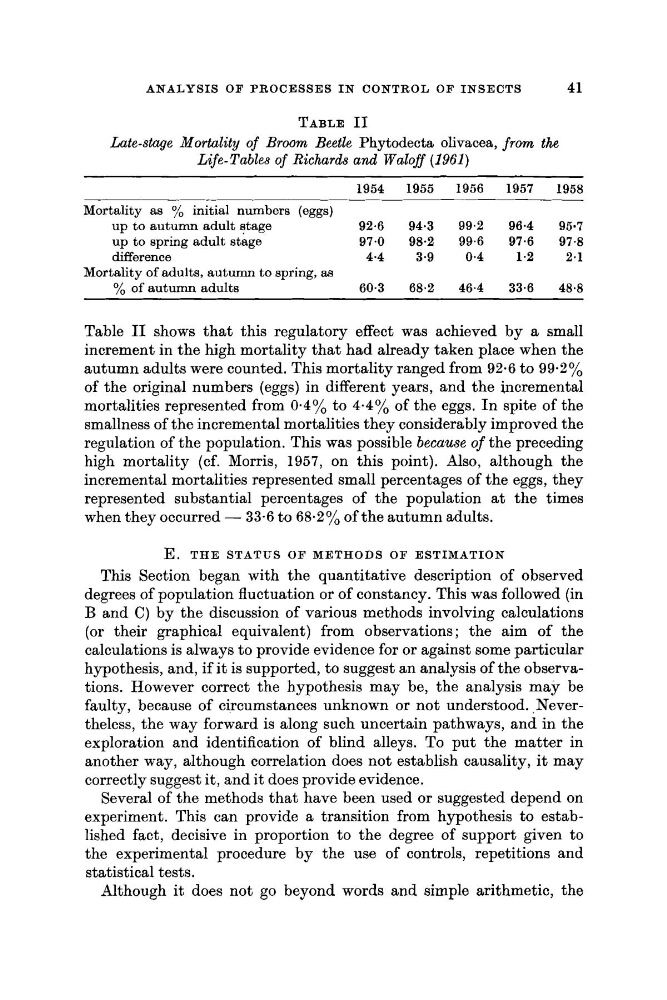
Table I1 shows that this regulatory effect was achieved by a small
increment in the high mortality that had already taken place when the
autumn adults were counted. This mortality ranged from 92.6 to 99.2%
of the original numbers (eggs) in different years, and the incremental
mortalities represented from 0.4% to 4.4% of the eggs. I n spite of the
smallness of the incremental mortalities they considerably improved the
regulation of the population. This was possible because of the preceding
high mortality (cf. Morris, 1957, on this point). Also, although the
incremental mortalities represented small percentages of the eggs, they
represented substantial percentages of the population at the times
when they occurred - 33.6 to 68.2% of the autumn adults.
E. THE STATUS O F METHODS O F ESTIMATION
This Section began with the quantitative description of observed
degrees of population fluctuation or of constancy. This was followed (in
B and C) by the discussion of various methods involving calculations
(or their graphical equivalent) from observations; the aim of the
calculations is always to provide evidence for or against some particular
hypothesis, and, if it is supported, to suggest an analysis of the observations. However correct the hypothesis may be, the analysis may be
faulty, because of circumstances unknown or not understood. ,Nevertheless, the way forward is along such uncertain pathways, and in the
exploration and identification of blind alleys. To put the matter in
another way, although correlation does not establish causality, it may
correctly suggest it, and it does provide evidence.
Several of the methods that have been used or suggested depend on
experiment. This can provide a transition from hypothesis to established fact, decisive in proportion to the degree of support given t o
the experimental procedure by the use of controls, repetitions and
statistical tests.
Although it does not go beyond words and simple arithmetic, the
41
TABLE I1
Late-stage Mortality of Broom Beetle Phytodecta olivacea, f r m the
Life-Tables of Richards and Waloff (1961)
~~
1954
1955
1956
1957
1958
Mortality as yo initial numbers (eggs)
up to autumn adult stage
92.6
94.3
99.2
96.4
95.7
up to spring adult stage
97.0
98.2
99.6
97.6
97.8
difference
4.4
3.9
0.4
1.2
2.1
% of autumn adults
60.3
68.2
46.4
33.6
48.8
Mortality of adults, autumn to spring, aa
Table I1 shows that this regulatory effect was achieved by a small
increment in the high mortality that had already taken place when the
autumn adults were counted. This mortality ranged from 92.6 to 99.2%
of the original numbers (eggs) in different years, and the incremental
mortalities represented from 0.4% to 4.4% of the eggs. I n spite of the
smallness of the incremental mortalities they considerably improved the
regulation of the population. This was possible because of the preceding
high mortality (cf. Morris, 1957, on this point). Also, although the
incremental mortalities represented small percentages of the eggs, they
represented substantial percentages of the population at the times
when they occurred - 33.6 to 68.2% of the autumn adults.
E. THE STATUS O F METHODS O F ESTIMATION
This Section began with the quantitative description of observed
degrees of population fluctuation or of constancy. This was followed (in
B and C) by the discussion of various methods involving calculations
(or their graphical equivalent) from observations; the aim of the
calculations is always to provide evidence for or against some particular
hypothesis, and, if it is supported, to suggest an analysis of the observations. However correct the hypothesis may be, the analysis may be
faulty, because of circumstances unknown or not understood. ,Nevertheless, the way forward is along such uncertain pathways, and in the
exploration and identification of blind alleys. To put the matter in
another way, although correlation does not establish causality, it may
correctly suggest it, and it does provide evidence.
Several of the methods that have been used or suggested depend on
experiment. This can provide a transition from hypothesis to established fact, decisive in proportion to the degree of support given t o
the experimental procedure by the use of controls, repetitions and
statistical tests.
Although it does not go beyond words and simple arithmetic, the