

DEVELOPMENT OF INNERVATION I N TETRAPOD LIMBS 95
0
0
0
0
0
0
0
0
0
0
0
0
0
9
"
'
'
CELL NUMBERS/10 SECTIONS
'
'
'
KNEE AT 8 DAYS
(TRANSITION PERIOD)
2 DAYS AFTER AMPUTATION
AT HIP AT 8 DAYS
(TRANSITION PERIOD)
A
10 2 0 3 0 4 0 5 0 6 0 7 0
P
A
10 2 0 2 0 4 0 5 0 6 0 7 0 P
SERIAL TRANSVERSE SECTIONS THROUGH VENTRAL HORNS
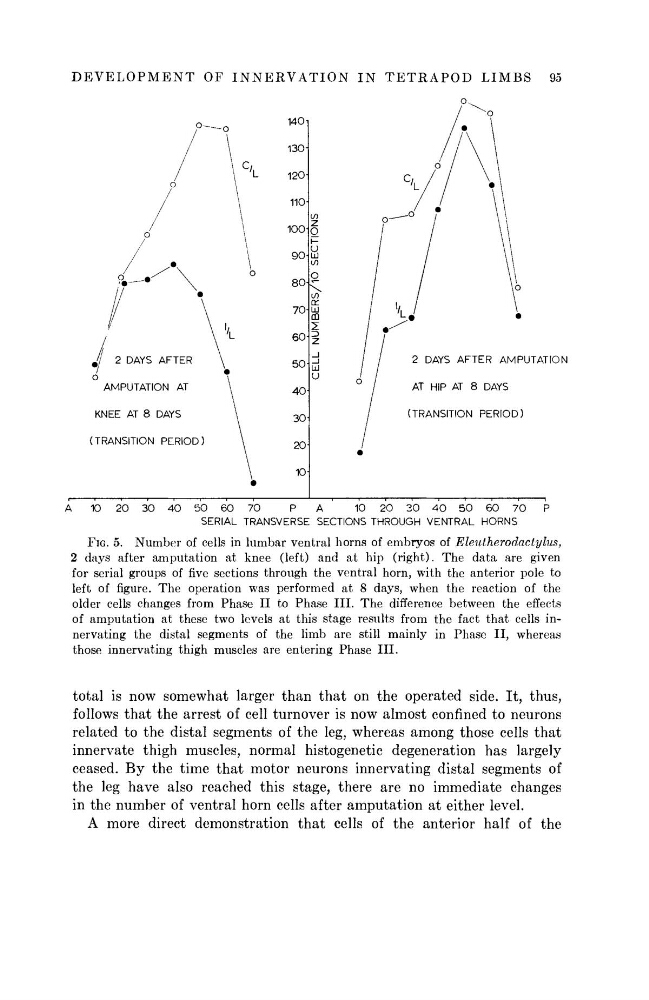
FIG. 5. Number of cells in lumbar ventral horns of embryos of
Eleutherodactylus,
2 days after amputation at knee (left) and at hip (right). The data are given
for serial groups of five sections through the ventral horn, with the anterior pole to
left of figure. The operation was performed at 8 days, when the reaction of the
older cells changes from Phase II to Phase III. The difference between the effects
of amputation at these two levels at this stage results from the fact that cells innervating the distal segments of the limb are still mainly in Phase II, whereas
those innervating thigh muscles are entering Phase III.
total is now somewhat larger than that on the operated side. It, thus,
follows that the arrest of cell turnover is now almost confined to neurons
related to the distal segments of the leg, whereas among those cells that
innervate thigh muscles, normal histogenetic degeneration has largely
ceased. By the time that motor neurons innervating distal segments of
the leg have also reached this stage, there are no immediate changes
in the number of ventral horn cells after amputation at either level.
A more direct demonstration that cells of the anterior half of the
0
0
0
0
0
0
0
0
0
0
0
0
0
9
"
'
'
CELL NUMBERS/10 SECTIONS
'
'
'
KNEE AT 8 DAYS
(TRANSITION PERIOD)
2 DAYS AFTER AMPUTATION
AT HIP AT 8 DAYS
(TRANSITION PERIOD)
A
10 2 0 3 0 4 0 5 0 6 0 7 0
P
A
10 2 0 2 0 4 0 5 0 6 0 7 0 P
SERIAL TRANSVERSE SECTIONS THROUGH VENTRAL HORNS
FIG. 5. Number of cells in lumbar ventral horns of embryos of
Eleutherodactylus,
2 days after amputation at knee (left) and at hip (right). The data are given
for serial groups of five sections through the ventral horn, with the anterior pole to
left of figure. The operation was performed at 8 days, when the reaction of the
older cells changes from Phase II to Phase III. The difference between the effects
of amputation at these two levels at this stage results from the fact that cells innervating the distal segments of the limb are still mainly in Phase II, whereas
those innervating thigh muscles are entering Phase III.
total is now somewhat larger than that on the operated side. It, thus,
follows that the arrest of cell turnover is now almost confined to neurons
related to the distal segments of the leg, whereas among those cells that
innervate thigh muscles, normal histogenetic degeneration has largely
ceased. By the time that motor neurons innervating distal segments of
the leg have also reached this stage, there are no immediate changes
in the number of ventral horn cells after amputation at either level.
A more direct demonstration that cells of the anterior half of the