

22
T H O M A S S. A R G Y R I S
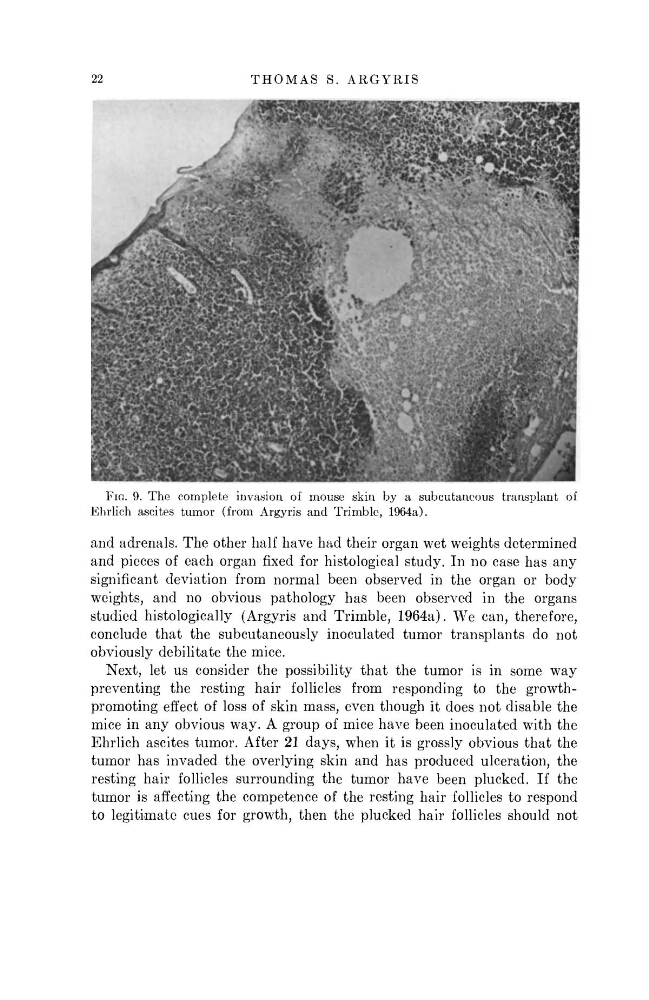
FIG. 9. The complete invasion of mouse skin b y a subcutaneous transplant of
Ehrlich ascites tumor (from Argyris and Trimble, 1964a).
and adrenals. T h e other half have had their organ wet weights determined
and pieces of each organ fixed for histological study. In no case has any
significant deviation from normal been observed in the organ or body
weights, and no obvious pathology has been observed in the organs
studied histologically (Argyris and Trimble, 1964a). W e can, therefore,
conclude that the subcutaneously inoculated tumor transplants do not
obviously debilitate the mice.
Next, let us consider the possibility that the tumor is in some way
preventing the resting hair follicles from responding to the growthpromoting effect of loss of skin mass, even though it does not disable the
mice in any obvious way. A group of mice have been inoculated with the
Ehrlich ascites tumor. After 21 days, when it is grossly obvious that the
tumor has invaded the overlying skin and has produced ulceration, the
resting hair follicles surrounding the tumor have been plucked. If the
tumor is affecting the competence of the resting hair follicles to respond
to legitimate cues for growth, then the plucked hair follicles should not
T H O M A S S. A R G Y R I S
FIG. 9. The complete invasion of mouse skin b y a subcutaneous transplant of
Ehrlich ascites tumor (from Argyris and Trimble, 1964a).
and adrenals. T h e other half have had their organ wet weights determined
and pieces of each organ fixed for histological study. In no case has any
significant deviation from normal been observed in the organ or body
weights, and no obvious pathology has been observed in the organs
studied histologically (Argyris and Trimble, 1964a). W e can, therefore,
conclude that the subcutaneously inoculated tumor transplants do not
obviously debilitate the mice.
Next, let us consider the possibility that the tumor is in some way
preventing the resting hair follicles from responding to the growthpromoting effect of loss of skin mass, even though it does not disable the
mice in any obvious way. A group of mice have been inoculated with the
Ehrlich ascites tumor. After 21 days, when it is grossly obvious that the
tumor has invaded the overlying skin and has produced ulceration, the
resting hair follicles surrounding the tumor have been plucked. If the
tumor is affecting the competence of the resting hair follicles to respond
to legitimate cues for growth, then the plucked hair follicles should not