

42
M I C H A E L L O C K E
hair, or a sensory bristle. In the differentiation of vertebrate tissues, an
important factor is often the proximity of two layers of cells ; one induces
a change in the other which may subsequently result in a more complicated interaction. In the epidermis of insects, the factors between cells
concerned with differentiation must all operate within a single layer.
However the epidermal cells are influenced, it can only be in a general
way, via the blood upon one face, or by interactions between the cells in
the plane of the surface. It may be, for this reason, that many of the
phenomena akin to induction in insect integument are polarized; for example, tracheae only grow when there is epithelial continuity with their
A
B
General Factors
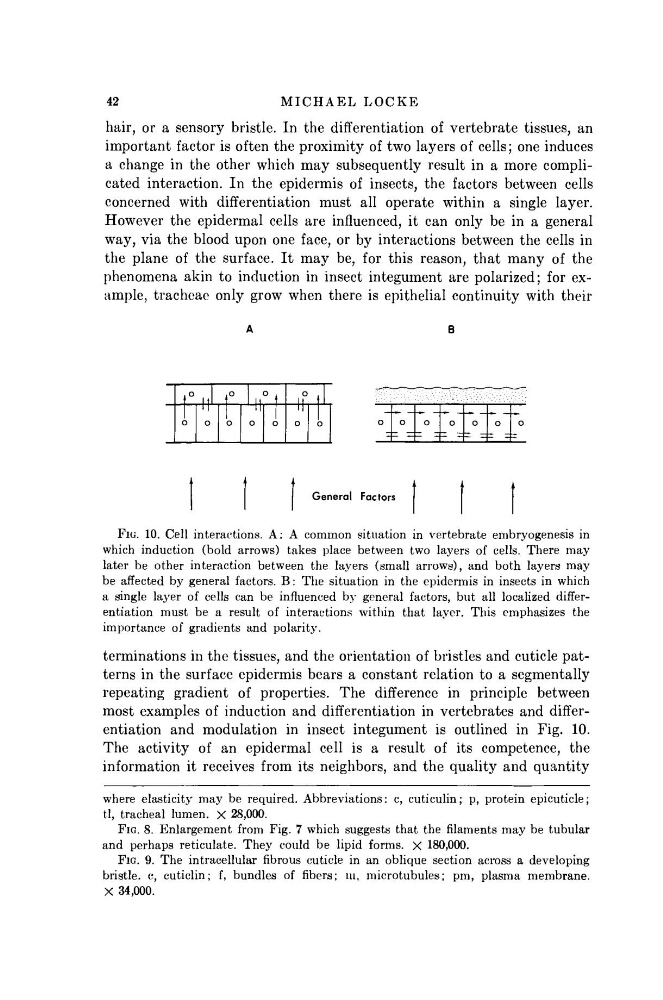
FIG. 10. Cell interactions. A: A common situation in vertebrate embryogenesis in
which induction (bold arrows) takes place between two layers of cells. There may
later be other interaction between the layers (small arrows), and both layers may
be affected by general factors. B : The situation in the epidermis in insects in which
a single layer of cells can be influenced by general factors, but all localized differentiation must be a result of interactions within that layer. This emphasizes the
importance of gradients and polarity.
terminations in the tissues, and the orientation of bristles and cuticle patterns in the surface epidermis bears a constant relation to a segmentally
repeating gradient of properties. The difference in principle between
most examples of induction and differentiation in vertebrates and differentiation and modulation in insect integument is outlined in Fig. 10.
The activity of an epidermal cell is a result of its competence, the
information it receives from its neighbors, and the quality and quantity
where elasticity may be required. Abbreviations: c, cuticulin; p, protein epicuticle;
tl, trachéal lumen. X 28,000.
FIG. 8. Enlargement from Fig. 7 which suggests that the filaments may be tubular
and perhaps reticulate. They could be lipid forms. X 180,000.
FIG. 9. The intracellular fibrous cuticle in an oblique section across a developing
bristle, c, cuticlin ; f, bundles of fibers; m, microtubules; pm, plasma membrane.
X 34,000.
M I C H A E L L O C K E
hair, or a sensory bristle. In the differentiation of vertebrate tissues, an
important factor is often the proximity of two layers of cells ; one induces
a change in the other which may subsequently result in a more complicated interaction. In the epidermis of insects, the factors between cells
concerned with differentiation must all operate within a single layer.
However the epidermal cells are influenced, it can only be in a general
way, via the blood upon one face, or by interactions between the cells in
the plane of the surface. It may be, for this reason, that many of the
phenomena akin to induction in insect integument are polarized; for example, tracheae only grow when there is epithelial continuity with their
A
B
General Factors
FIG. 10. Cell interactions. A: A common situation in vertebrate embryogenesis in
which induction (bold arrows) takes place between two layers of cells. There may
later be other interaction between the layers (small arrows), and both layers may
be affected by general factors. B : The situation in the epidermis in insects in which
a single layer of cells can be influenced by general factors, but all localized differentiation must be a result of interactions within that layer. This emphasizes the
importance of gradients and polarity.
terminations in the tissues, and the orientation of bristles and cuticle patterns in the surface epidermis bears a constant relation to a segmentally
repeating gradient of properties. The difference in principle between
most examples of induction and differentiation in vertebrates and differentiation and modulation in insect integument is outlined in Fig. 10.
The activity of an epidermal cell is a result of its competence, the
information it receives from its neighbors, and the quality and quantity
where elasticity may be required. Abbreviations: c, cuticulin; p, protein epicuticle;
tl, trachéal lumen. X 28,000.
FIG. 8. Enlargement from Fig. 7 which suggests that the filaments may be tubular
and perhaps reticulate. They could be lipid forms. X 180,000.
FIG. 9. The intracellular fibrous cuticle in an oblique section across a developing
bristle, c, cuticlin ; f, bundles of fibers; m, microtubules; pm, plasma membrane.
X 34,000.