

292
L. G A L L I E N
are largely a function of the taxonomic position of the species investigated,
that is to say, of the genetic strength of the sexual constitution.
c. Group III: Paradoxical Effects {Fig. 19). In its most highly developed
form, this kind of reaction is manifested as a final feminizing effect of
androgenic steroids and masculinizing effect of gynogenic steroids. This
effect is linked to a profound primary teratogenic action that inhibits the
gonadal primordia in an early stage of differentiation (Fig. 19C). This
inhibition affects the corticomedullary balance in a differential manner.
There is a gradation of observed results according to species.
(i) Androgenic steroids, (a) Triturus, Ambystoma, Hynobius. A strong
and early lethal teratogenic effect is produced on nephrogenesis (ascites)
and gonadogenesis in both sexes.
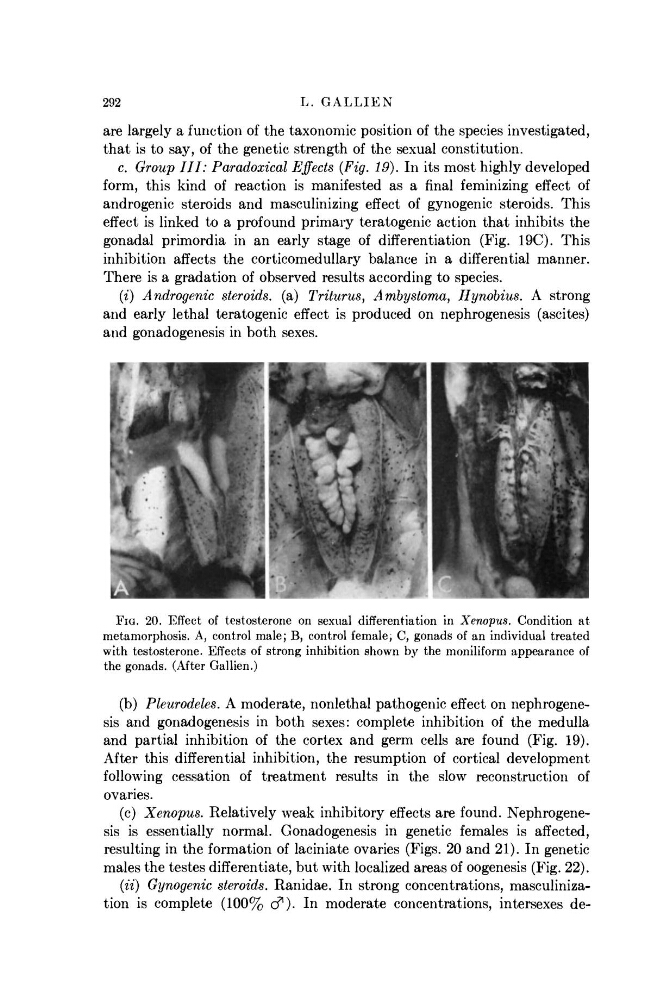
FIG. 20. Effect of testosterone on sexual differentiation in Xenopus. Condition at
metamorphosis. A, control male; B, control female, C, gonads of an individual treated
with testosterone. Effects of strong inhibition shown by the moniliform appearance of
the gonads. (After Gallien.)
(b) Pleurodeles. A moderate, nonlethal pathogenic effect on nephrogenesis and gonadogenesis in both sexes: complete inhibition of the medulla
and partial inhibition of the cortex and germ cells are found (Fig. 19).
After this differential inhibition, the resumption of cortical development
following cessation of treatment results in the slow reconstruction of
ovaries.
(c) Xenopus. Relatively weak inhibitory effects are found. Nephrogenesis is essentially normal. Gonadogenesis in genetic females is affected,
resulting in the formation of laciniate ovaries (Figs. 20 and 21). In genetic
males the testes differentiate, but with localized areas of oogenesis (Fig. 22).
(it) Gynogenic steroids. Ranidae. In strong concentrations, masculinization is complete (100% d71). In moderate concentrations, intersexes de-
L. G A L L I E N
are largely a function of the taxonomic position of the species investigated,
that is to say, of the genetic strength of the sexual constitution.
c. Group III: Paradoxical Effects {Fig. 19). In its most highly developed
form, this kind of reaction is manifested as a final feminizing effect of
androgenic steroids and masculinizing effect of gynogenic steroids. This
effect is linked to a profound primary teratogenic action that inhibits the
gonadal primordia in an early stage of differentiation (Fig. 19C). This
inhibition affects the corticomedullary balance in a differential manner.
There is a gradation of observed results according to species.
(i) Androgenic steroids, (a) Triturus, Ambystoma, Hynobius. A strong
and early lethal teratogenic effect is produced on nephrogenesis (ascites)
and gonadogenesis in both sexes.
FIG. 20. Effect of testosterone on sexual differentiation in Xenopus. Condition at
metamorphosis. A, control male; B, control female, C, gonads of an individual treated
with testosterone. Effects of strong inhibition shown by the moniliform appearance of
the gonads. (After Gallien.)
(b) Pleurodeles. A moderate, nonlethal pathogenic effect on nephrogenesis and gonadogenesis in both sexes: complete inhibition of the medulla
and partial inhibition of the cortex and germ cells are found (Fig. 19).
After this differential inhibition, the resumption of cortical development
following cessation of treatment results in the slow reconstruction of
ovaries.
(c) Xenopus. Relatively weak inhibitory effects are found. Nephrogenesis is essentially normal. Gonadogenesis in genetic females is affected,
resulting in the formation of laciniate ovaries (Figs. 20 and 21). In genetic
males the testes differentiate, but with localized areas of oogenesis (Fig. 22).
(it) Gynogenic steroids. Ranidae. In strong concentrations, masculinization is complete (100% d71). In moderate concentrations, intersexes de-