

396
CH. D ΕVILLERS
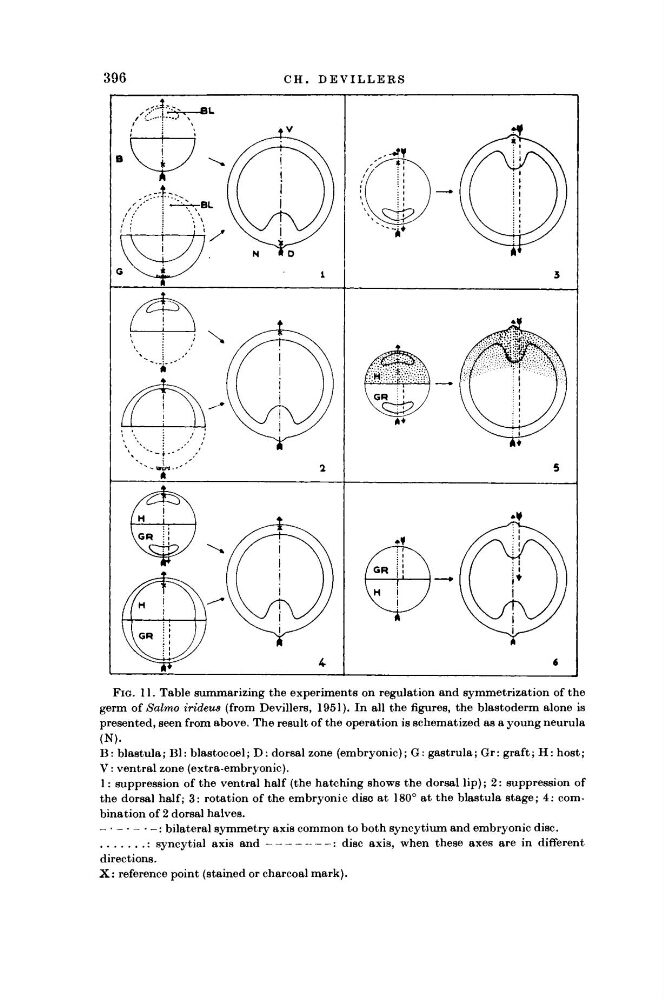
FIG. 11. Table summarizing the experiments on regulation and symmetrization of the
germ of Salmo irideus (from Devillers, 1951). In all the figures, the blastoderm alone is
presented, seen from above. The result of the operation is schematized as a young neurula
(N).
B: blástula; Bl: blastocoel; D: dorsal zone (embryonic); G: gastrula; Gr: graft; H: host;
V: ventral zone (extra-embryonic).
1: suppression of the ventral half (the hatching shows the dorsal lip); 2: suppression of
the dorsal half; 3: rotation of the embryonic disc at 180° at the blástula stage; 4: combination of 2 dorsal halves.
_ . _ . _ . _ : bilateral symmetry axis common to both syncytium and embryonic disc.
: syncytial axis and
: disc axis, when these axes are in different
directions.
X: reference point (stained or charcoal mark).
CH. D ΕVILLERS
FIG. 11. Table summarizing the experiments on regulation and symmetrization of the
germ of Salmo irideus (from Devillers, 1951). In all the figures, the blastoderm alone is
presented, seen from above. The result of the operation is schematized as a young neurula
(N).
B: blástula; Bl: blastocoel; D: dorsal zone (embryonic); G: gastrula; Gr: graft; H: host;
V: ventral zone (extra-embryonic).
1: suppression of the ventral half (the hatching shows the dorsal lip); 2: suppression of
the dorsal half; 3: rotation of the embryonic disc at 180° at the blástula stage; 4: combination of 2 dorsal halves.
_ . _ . _ . _ : bilateral symmetry axis common to both syncytium and embryonic disc.
: syncytial axis and
: disc axis, when these axes are in different
directions.
X: reference point (stained or charcoal mark).