

R E G E N E R A T I O N I N L O W E R P L A N T S
147
morphologically different zones. The apical cell and the immediately
adjacent cells are still glassy and translucent (zone A). An intensely
green section follows (zone B) from which, in the later course of differentiation, the capsule with the sporogenous tissue and the apophysis
derives. The upper part (BJ of this still generally meristematic zone
proves to be physiologically dissimilar from the lower part (B 2 ), the
^ - ^ ^ ^ O
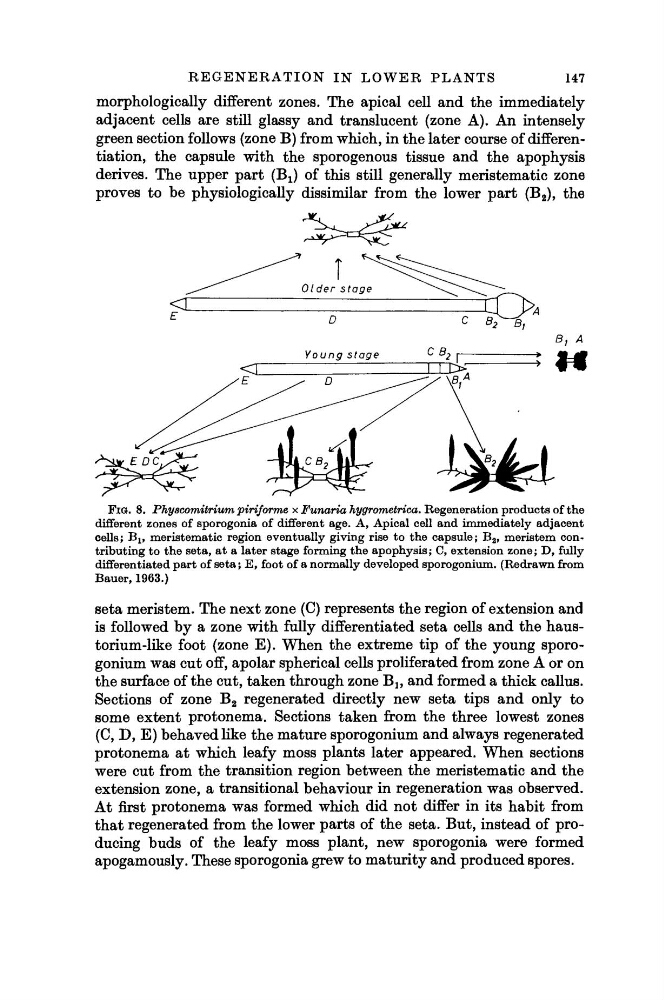
FIG. 8. Physcomitrium piriforme x Funaria hygrometrica. Regeneration products of the
different zones of sporogonia of different age. A, Apical cell and immediately adjacent
cells; B^ meristematic region eventually giving rise to the capsule; B 2 , meristem contributing to the seta, at a later stage forming the apophysis ; C, extension zone ; D, fully
differentiated part of seta; E, foot of a normally developed sporogonium. (Redrawn from
Bauer, 1963.)
seta meristem. The next zone (C) represents the region of extension and
is followed by a zone with fully differentiated seta cells and the haustorium-like foot (zone E). When the extreme tip of the young sporogonium was cut off, apolar spherical cells proliferated from zone A or on
the surface of the cut, taken through zone B a , and formed a thick callus.
Sections of zone B 2 regenerated directly new seta tips and only to
some extent protonema. Sections taken from the three lowest zones
(C, D, E) behaved like the mature sporogonium and always regenerated
protonema at which leafy moss plants later appeared. When sections
were cut from the transition region between the meristematic and the
extension zone, a transitional behaviour in regeneration was observed.
At first protonema was formed which did not differ in its habit from
that regenerated from the lower parts of the seta. But, instead of producing buds of the leafy moss plant, new sporogonia were formed
apogamously. These sporogonia grew to maturity and produced spores.
147
morphologically different zones. The apical cell and the immediately
adjacent cells are still glassy and translucent (zone A). An intensely
green section follows (zone B) from which, in the later course of differentiation, the capsule with the sporogenous tissue and the apophysis
derives. The upper part (BJ of this still generally meristematic zone
proves to be physiologically dissimilar from the lower part (B 2 ), the
^ - ^ ^ ^ O
FIG. 8. Physcomitrium piriforme x Funaria hygrometrica. Regeneration products of the
different zones of sporogonia of different age. A, Apical cell and immediately adjacent
cells; B^ meristematic region eventually giving rise to the capsule; B 2 , meristem contributing to the seta, at a later stage forming the apophysis ; C, extension zone ; D, fully
differentiated part of seta; E, foot of a normally developed sporogonium. (Redrawn from
Bauer, 1963.)
seta meristem. The next zone (C) represents the region of extension and
is followed by a zone with fully differentiated seta cells and the haustorium-like foot (zone E). When the extreme tip of the young sporogonium was cut off, apolar spherical cells proliferated from zone A or on
the surface of the cut, taken through zone B a , and formed a thick callus.
Sections of zone B 2 regenerated directly new seta tips and only to
some extent protonema. Sections taken from the three lowest zones
(C, D, E) behaved like the mature sporogonium and always regenerated
protonema at which leafy moss plants later appeared. When sections
were cut from the transition region between the meristematic and the
extension zone, a transitional behaviour in regeneration was observed.
At first protonema was formed which did not differ in its habit from
that regenerated from the lower parts of the seta. But, instead of producing buds of the leafy moss plant, new sporogonia were formed
apogamously. These sporogonia grew to maturity and produced spores.