

MORPHOGENESIS IN STENTOR
13
cells. If an incipient regenerator is grafted to a morphostatic animal,
for example, the regeneration primordium may put in an initial appearance but later be resorbed as the influence of the non-regenerating partner is felt. Yet there is a strong tendency for anlagen in any system to
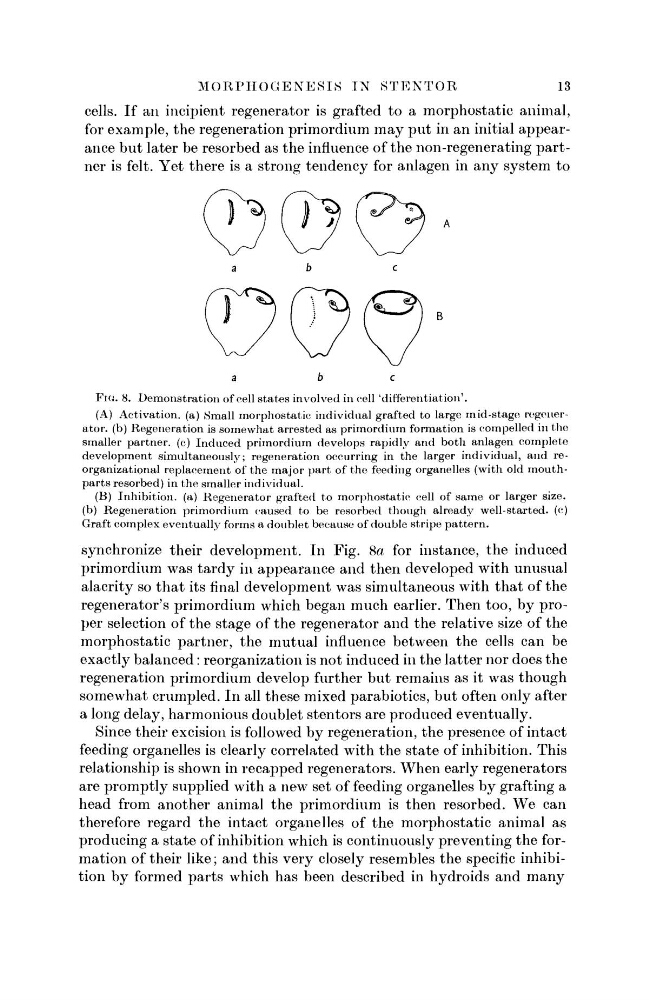
FIG. 8. Demonstration of cell states involved in cell 'differentiation'.
(A) Activation, (a) Small morphostatic individual grafted to large mid-stage regenerator. (b) Regeneration is somewhat arrested as primordium formation is compelled in the
smaller partner, (c) Induced primordium develops rapidly and both anlagen complete
development simultaneously; regeneration occurring in the larger individual, and reorganizational replacement of the major part of the feeding organelles (with old mouthparts resorbed) in the smaller individual.
(B) Inhibition, (a) Regenerator grafted to morphostatic cell of same or larger size.
(b) Regeneration primordium caused to be resorbed though already well-started, (c)
Graft complex eventually forms a doublet because of double stripe pattern.
synchronize their development. In Fig. 8a for instance, the induced
primordium was tardy in appearance and then developed with unusual
alacrity so that its final development was simultaneous with that of the
regenerator's primordium which began much earlier. Then too, by proper selection of the stage of the regenerator and the relative size of the
morphostatic partner, the mutual influence between the cells can be
exactly balanced: reorganization is not induced in the latter nor does the
regeneration primordium develop further but remains as it was though
somewhat crumpled. In all these mixed parabiotics, but often only after
a long delay, harmonious doublet stentors are produced eventually.
Since their excision is followed by regeneration, the presence of intact
feeding organelles is clearly correlated with the state of inhibition. This
relationship is shown in recapped regenerators. When early regenerators
are promptly supplied with a new set of feeding organelles by grafting a
head from another animal the primordium is then resorbed. We can
therefore regard the intact organelles of the morphostatic animal as
producing a state of inhibition which is continuously preventing the formation of their like; and this very closely resembles the specific inhibition by formed parts which has been described in hydroids and many
13
cells. If an incipient regenerator is grafted to a morphostatic animal,
for example, the regeneration primordium may put in an initial appearance but later be resorbed as the influence of the non-regenerating partner is felt. Yet there is a strong tendency for anlagen in any system to
FIG. 8. Demonstration of cell states involved in cell 'differentiation'.
(A) Activation, (a) Small morphostatic individual grafted to large mid-stage regenerator. (b) Regeneration is somewhat arrested as primordium formation is compelled in the
smaller partner, (c) Induced primordium develops rapidly and both anlagen complete
development simultaneously; regeneration occurring in the larger individual, and reorganizational replacement of the major part of the feeding organelles (with old mouthparts resorbed) in the smaller individual.
(B) Inhibition, (a) Regenerator grafted to morphostatic cell of same or larger size.
(b) Regeneration primordium caused to be resorbed though already well-started, (c)
Graft complex eventually forms a doublet because of double stripe pattern.
synchronize their development. In Fig. 8a for instance, the induced
primordium was tardy in appearance and then developed with unusual
alacrity so that its final development was simultaneous with that of the
regenerator's primordium which began much earlier. Then too, by proper selection of the stage of the regenerator and the relative size of the
morphostatic partner, the mutual influence between the cells can be
exactly balanced: reorganization is not induced in the latter nor does the
regeneration primordium develop further but remains as it was though
somewhat crumpled. In all these mixed parabiotics, but often only after
a long delay, harmonious doublet stentors are produced eventually.
Since their excision is followed by regeneration, the presence of intact
feeding organelles is clearly correlated with the state of inhibition. This
relationship is shown in recapped regenerators. When early regenerators
are promptly supplied with a new set of feeding organelles by grafting a
head from another animal the primordium is then resorbed. We can
therefore regard the intact organelles of the morphostatic animal as
producing a state of inhibition which is continuously preventing the formation of their like; and this very closely resembles the specific inhibition by formed parts which has been described in hydroids and many