

352
T. A. DETTLAFF
the material of the hindbrain the frequency of the formation of ear
vesicles, their dimensions and differentiation rapidly increase. In the
anura a high level of differentiation is attained only in the period of the
action of the mesodermal inducing agent. The material of the hindbrain
in the anura, though it possesses inducing action, does not much affect
the material of the ear vesicle. Thus, in the anurans latent differentiation
of the ectoderm of the ear region is realized more rapidly than in the
urodeles and is attained earlier. The anurans thus have the ability to form
differentiated ear vesicles at earlier developmental stages than the
urodeles. Among the latter the ability is acquired earliest by axolotl
embryos and latest by newt embryos.
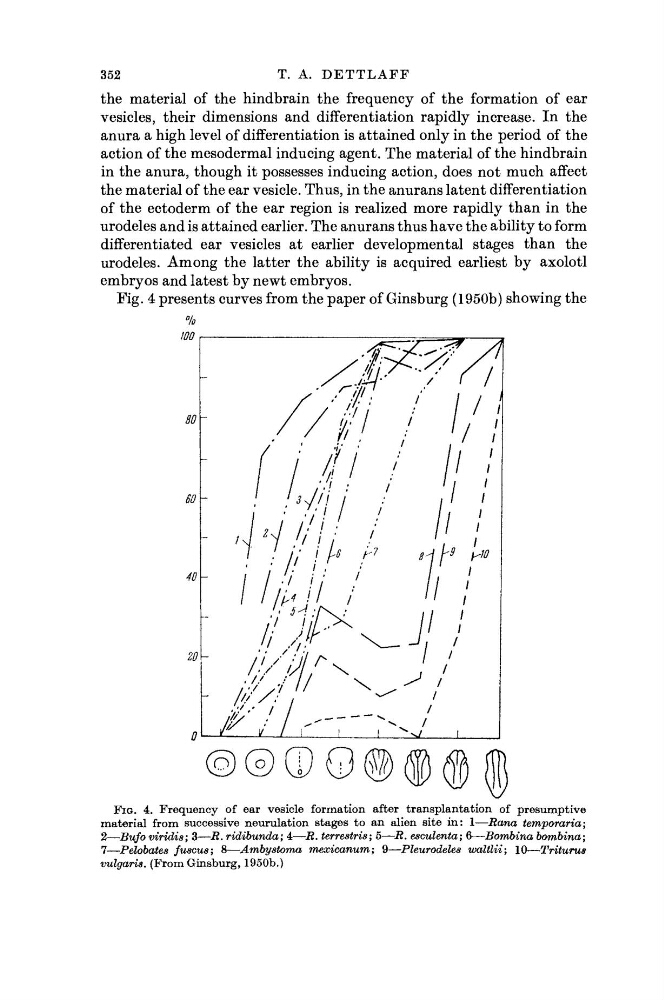
Fig. 4 presents curves from the paper of Ginsburg (1950b) showing the
%
FIG. 4. Frequency of ear vesicle formation after transplantation of presumptive
material from successive neurulation stages to an alien site in: 1—Rana temporaria;
2—Bufo viridis; 3—R. ridibunda; 4—R. terrestris; 5—R. esculenta; 6—Bombina bombina;
7—Pelobates fuscue; 8—Ambyetoma mexicanum ; 9—Pleurodeles waltlii; 10—Triturus
vulgaris. (From Ginsburg, 1950b.)
T. A. DETTLAFF
the material of the hindbrain the frequency of the formation of ear
vesicles, their dimensions and differentiation rapidly increase. In the
anura a high level of differentiation is attained only in the period of the
action of the mesodermal inducing agent. The material of the hindbrain
in the anura, though it possesses inducing action, does not much affect
the material of the ear vesicle. Thus, in the anurans latent differentiation
of the ectoderm of the ear region is realized more rapidly than in the
urodeles and is attained earlier. The anurans thus have the ability to form
differentiated ear vesicles at earlier developmental stages than the
urodeles. Among the latter the ability is acquired earliest by axolotl
embryos and latest by newt embryos.
Fig. 4 presents curves from the paper of Ginsburg (1950b) showing the
%
FIG. 4. Frequency of ear vesicle formation after transplantation of presumptive
material from successive neurulation stages to an alien site in: 1—Rana temporaria;
2—Bufo viridis; 3—R. ridibunda; 4—R. terrestris; 5—R. esculenta; 6—Bombina bombina;
7—Pelobates fuscue; 8—Ambyetoma mexicanum ; 9—Pleurodeles waltlii; 10—Triturus
vulgaris. (From Ginsburg, 1950b.)