

EARLY DEVELOPMENT OF THE SEA URCHIN
101
From the mesenchyme blastula onwards, the respiratory control ratio
either remains constant or decreases slowly. Instructive data could
possibly be obtained by the study of the changes in the respiratory
quotient, the determination of which is particularly difficult in the case
1500
Ε 1000-^
500-^
2 4 6 8 10
Cleavages
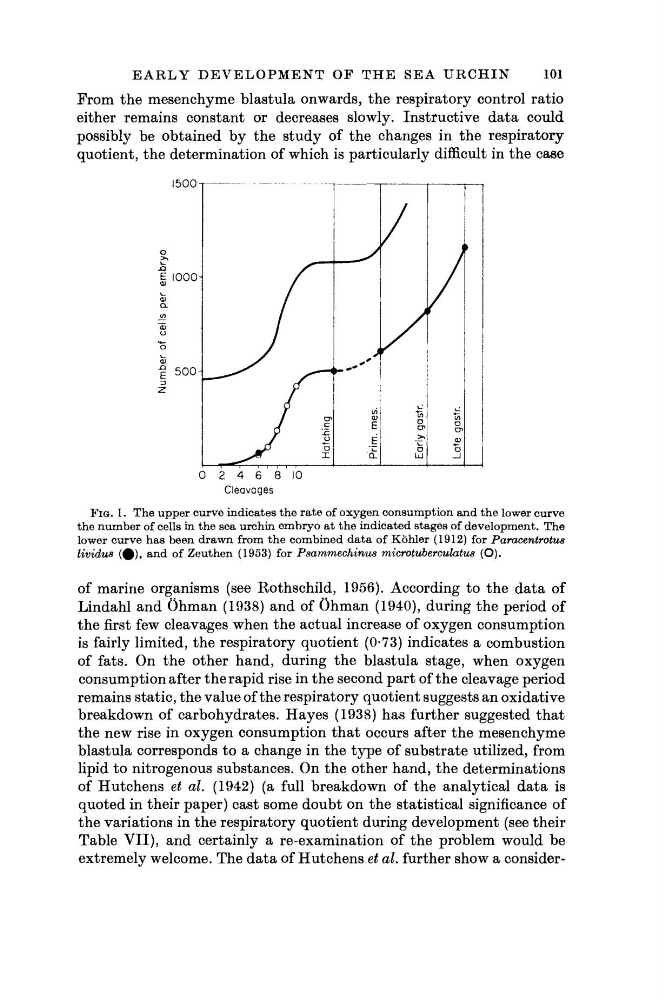
FIG. 1. The upper curve indicates the rate of oxygen consumption and the lower curve
the number of cells in the sea urchin embryo at the indicated stages of development. The
lower curve has been drawn from the combined data of Köhler (1912) for Paracentrotus
lividus (φ), and of Zeuthen (1953) for Psammechinus microtuberculatus (O).
of marine organisms (see Rothschild, 1956). According to the data of
Lindahl and Öhman (1938) and of Öhman (1940), during the period of
the first few cleavages when the actual increase of oxygen consumption
is fairly limited, the respiratory quotient (0-73) indicates a combustion
of fats. On the other hand, during the blastula stage, when oxygen
consumption after the rapid rise in the second part of the cleavage period
remains static, the value of the respiratory quotient suggests an oxidative
breakdown of carbohydrates. Hayes (1938) has further suggested that
the new rise in oxygen consumption that occurs after the mesenchyme
blastula corresponds to a change in the type of substrate utilized, from
lipid to nitrogenous substances. On the other hand, the determinations
of Hutchens et al. (1942) (a full breakdown of the analytical data is
quoted in their paper) cast some doubt on the statistical significance of
the variations in the respiratory quotient during development (see their
Table VII), and certainly a re-examination of the problem would be
extremely welcome. The data of Hutchens et al. further show a consider-
101
From the mesenchyme blastula onwards, the respiratory control ratio
either remains constant or decreases slowly. Instructive data could
possibly be obtained by the study of the changes in the respiratory
quotient, the determination of which is particularly difficult in the case
1500
Ε 1000-^
500-^
2 4 6 8 10
Cleavages
FIG. 1. The upper curve indicates the rate of oxygen consumption and the lower curve
the number of cells in the sea urchin embryo at the indicated stages of development. The
lower curve has been drawn from the combined data of Köhler (1912) for Paracentrotus
lividus (φ), and of Zeuthen (1953) for Psammechinus microtuberculatus (O).
of marine organisms (see Rothschild, 1956). According to the data of
Lindahl and Öhman (1938) and of Öhman (1940), during the period of
the first few cleavages when the actual increase of oxygen consumption
is fairly limited, the respiratory quotient (0-73) indicates a combustion
of fats. On the other hand, during the blastula stage, when oxygen
consumption after the rapid rise in the second part of the cleavage period
remains static, the value of the respiratory quotient suggests an oxidative
breakdown of carbohydrates. Hayes (1938) has further suggested that
the new rise in oxygen consumption that occurs after the mesenchyme
blastula corresponds to a change in the type of substrate utilized, from
lipid to nitrogenous substances. On the other hand, the determinations
of Hutchens et al. (1942) (a full breakdown of the analytical data is
quoted in their paper) cast some doubt on the statistical significance of
the variations in the respiratory quotient during development (see their
Table VII), and certainly a re-examination of the problem would be
extremely welcome. The data of Hutchens et al. further show a consider-