

672
H O N O R
B .
F E L L
A N D
L .
M .
R I N A L D I N I
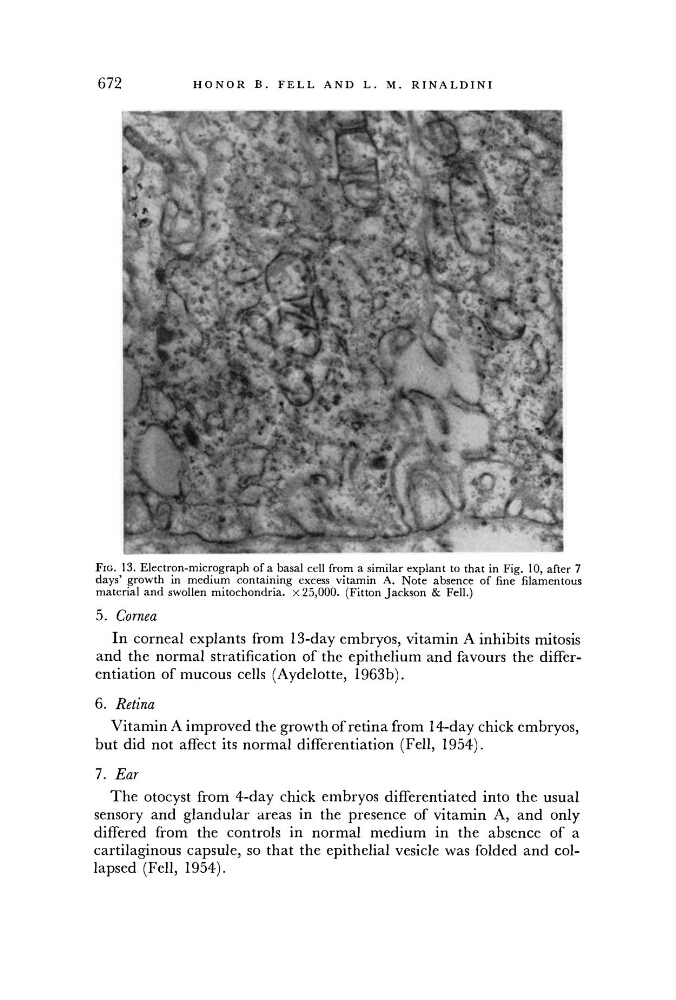
FIG. 13. Electron-micrograph of a basal cell from a similar explant to that in Fig. 10, after 7
days' growth in medium containing excess vitamin A. Note absence of fine filamentous
material and swollen mitochondria. X 25,000. (Fitton Jackson & Fell.)
5. Cornea
In corneal explants from 13-day embryos, vitamin A inhibits mitosis
and the normal stratification of the epithelium and favours the differentiation of mucous cells (Aydelotte, 1963b).
6. Retina
Vitamin A improved the growth of retina from 14-day chick embryos,
but did not affect its normal differentiation (Fell, 1954).
7. Ear
The otocyst from 4-day chick embryos differentiated into the usual
sensory and glandular areas in the presence of vitamin A, and only
differed from the controls in normal medium in the absence of a
cartilaginous capsule, so that the epithelial vesicle was folded and collapsed (Fell, 1954).