

IV. INVESTIGATION OF C. DIPHTHERIAE
73
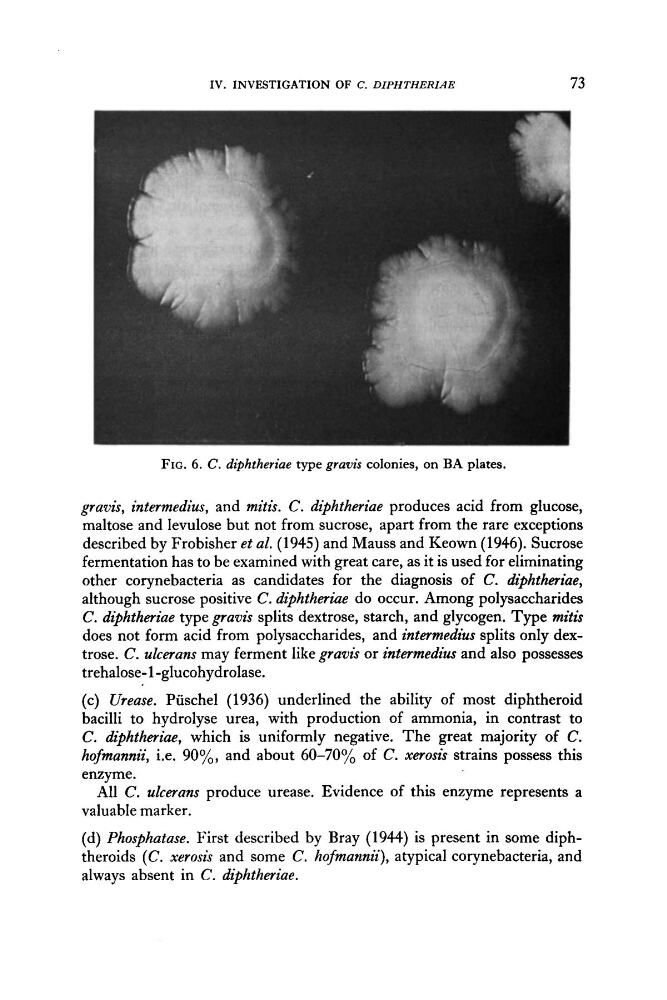
FIG. 6. C. diphtheriae type gravis colonies, on BA plates.
gravis, intermedius, and mitis. C. diphtheriae produces acid from glucose,
maltose and levulose but not from sucrose, apart from the rare exceptions
described by Frobisher et al. (1945) and Mauss and Keown (1946). Sucrose
fermentation has to be examined with great care, as it is used for eliminating
other corynebacteria as candidates for the diagnosis of C. diphtheriae,
although sucrose positive C. diphtheriae do occur. Among polysaccharides
C. diphtheriae type gravis splits dextrose, starch, and glycogen. Type mitis
does not form acid from polysaccharides, and intermedius splits only dextrose. C. ulcerans may ferment like gravis or intermedius and also possesses
trehalose-1 -glucohydrolase.
(c) Urease. Puschel (1936) underlined the ability of most diphtheroid
bacilli to hydrolyse urea, with production of ammonia, in contrast to
C. diphtheriae, which is uniformly negative. The great majority of C.
hofmannii, i.e. 90%, and about 60-70% of C. xerosis strains possess this
enzyme.
All C. ulcerans produce urease. Evidence of this enzyme represents a
valuable marker.
(d) Phosphatase. First described by Bray (1944) is present in some diphtheroids (C. xerosis and some C . hofmannii), atypical corynebacteria, and
always absent in C. diphtheriae.
73
FIG. 6. C. diphtheriae type gravis colonies, on BA plates.
gravis, intermedius, and mitis. C. diphtheriae produces acid from glucose,
maltose and levulose but not from sucrose, apart from the rare exceptions
described by Frobisher et al. (1945) and Mauss and Keown (1946). Sucrose
fermentation has to be examined with great care, as it is used for eliminating
other corynebacteria as candidates for the diagnosis of C. diphtheriae,
although sucrose positive C. diphtheriae do occur. Among polysaccharides
C. diphtheriae type gravis splits dextrose, starch, and glycogen. Type mitis
does not form acid from polysaccharides, and intermedius splits only dextrose. C. ulcerans may ferment like gravis or intermedius and also possesses
trehalose-1 -glucohydrolase.
(c) Urease. Puschel (1936) underlined the ability of most diphtheroid
bacilli to hydrolyse urea, with production of ammonia, in contrast to
C. diphtheriae, which is uniformly negative. The great majority of C.
hofmannii, i.e. 90%, and about 60-70% of C. xerosis strains possess this
enzyme.
All C. ulcerans produce urease. Evidence of this enzyme represents a
valuable marker.
(d) Phosphatase. First described by Bray (1944) is present in some diphtheroids (C. xerosis and some C . hofmannii), atypical corynebacteria, and
always absent in C. diphtheriae.