

1.2. The Systems Approach to Solving Water Resources
Problems
11
To provide a better perspective on the systems approach for a water
resources system, we can inquire as to how systems analysis takes place in
general. Several phases can be distinguished, with feedback possible from
any phase to an earlier phase.
1. The first phase of systems analysis consists of understanding and
translating into quantitative terms the objectives and performance requirements sought for the system in relation to the environment in which
it operates.
2. The next phase is to formulate quantitatively (e.g., by a flow diagram) the structure and boundaries of the system.
3. Then a mathematical model has to be prepared for the system that
includes all the possible interrelations between the variables that can be
quantified. All quantifiable constraints must be included in the model, in
addition to the functions yielding the input-output relations between the
variables.
4. The coefficients in the model must be estimated and the desired input
relations specified.
5. The model should be validated in light of the objectives established
by step 1.
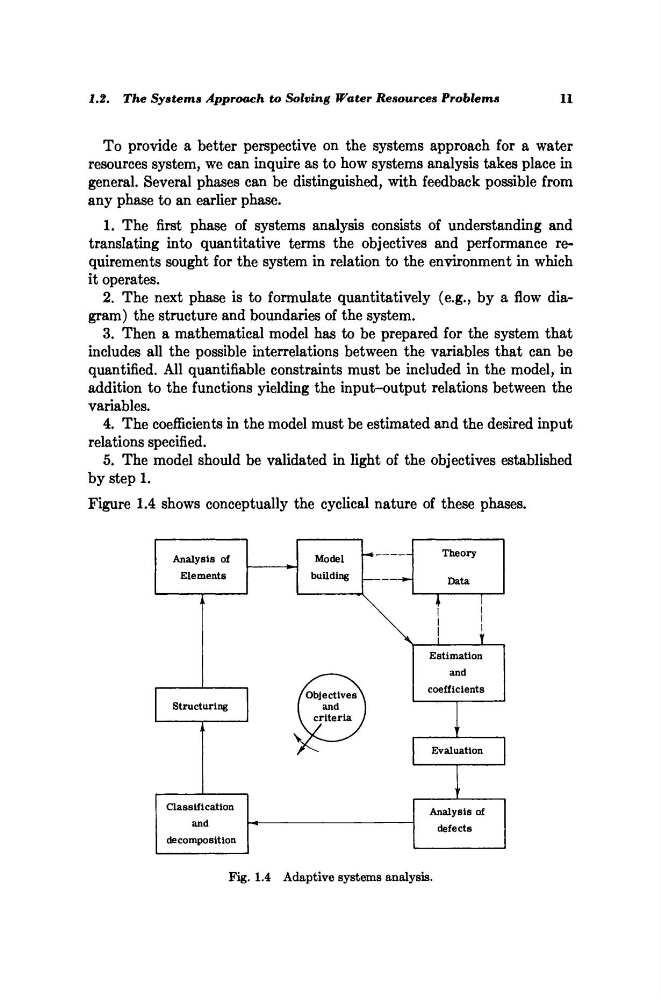
Figure 1.4 shows conceptually the cyclical nature of these phases.
Analysis of
Model
-*
Theory
Elements
building
Data
Structuring
Estimation
and
coefficients
Evaluation
Classification
and
decomposition
Analysis of
defects
Fig. 1.4 Adaptive systems analysis.
Problems
11
To provide a better perspective on the systems approach for a water
resources system, we can inquire as to how systems analysis takes place in
general. Several phases can be distinguished, with feedback possible from
any phase to an earlier phase.
1. The first phase of systems analysis consists of understanding and
translating into quantitative terms the objectives and performance requirements sought for the system in relation to the environment in which
it operates.
2. The next phase is to formulate quantitatively (e.g., by a flow diagram) the structure and boundaries of the system.
3. Then a mathematical model has to be prepared for the system that
includes all the possible interrelations between the variables that can be
quantified. All quantifiable constraints must be included in the model, in
addition to the functions yielding the input-output relations between the
variables.
4. The coefficients in the model must be estimated and the desired input
relations specified.
5. The model should be validated in light of the objectives established
by step 1.
Figure 1.4 shows conceptually the cyclical nature of these phases.
Analysis of
Model
-*
Theory
Elements
building
Data
Structuring
Estimation
and
coefficients
Evaluation
Classification
and
decomposition
Analysis of
defects
Fig. 1.4 Adaptive systems analysis.