

5.6.
Summary
141
By-pass
if only
historical
data are
to be used
Collect historical data
on evaporation, runoff,
rainfall, etc. to form
data base for supply
and demand
Generate random numbers
with prescribed probability
distributions
Analyze data to determine
trends, cross and serial
Smooth and fit functions
to data and/or prepare
tabulated data
correlation, critical period
frequencies, etc.
Smooth and fit functions
to data and/or prepare
tabulated data
Prepare representative
simulated data records
by combining data base
with stochastic variations
Test simulated data to
ascertain that they meet
desired characteristics
Evaluate and select enough
sequence to provide a valid
sample
Evaluate critical period
Evaluate and select enough
sequence to provide a valid
sample
severity
Introduce simulated
records in model as
parameters and
inputs
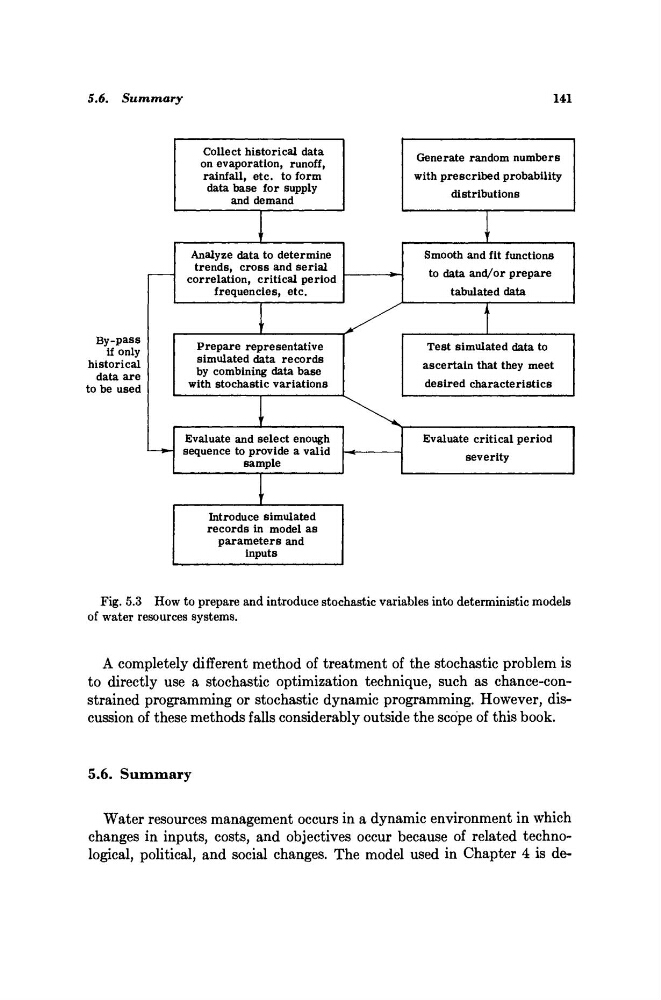
Fig. 5.3 How to prepare and introduce stochastic variables into deterministic models
of water resources systems.
A completely different method of treatment of the stochastic problem is
to directly use a stochastic optimization technique, such as chance-constrained programming or stochastic dynamic programming. However, discussion of these methods falls considerably outside the scope of this book.
5.6. Summary
Water resources management occurs in a dynamic environment in which
changes in inputs, costs, and objectives occur because of related technological, political, and social changes. The model used in Chapter 4 is de-
Summary
141
By-pass
if only
historical
data are
to be used
Collect historical data
on evaporation, runoff,
rainfall, etc. to form
data base for supply
and demand
Generate random numbers
with prescribed probability
distributions
Analyze data to determine
trends, cross and serial
Smooth and fit functions
to data and/or prepare
tabulated data
correlation, critical period
frequencies, etc.
Smooth and fit functions
to data and/or prepare
tabulated data
Prepare representative
simulated data records
by combining data base
with stochastic variations
Test simulated data to
ascertain that they meet
desired characteristics
Evaluate and select enough
sequence to provide a valid
sample
Evaluate critical period
Evaluate and select enough
sequence to provide a valid
sample
severity
Introduce simulated
records in model as
parameters and
inputs
Fig. 5.3 How to prepare and introduce stochastic variables into deterministic models
of water resources systems.
A completely different method of treatment of the stochastic problem is
to directly use a stochastic optimization technique, such as chance-constrained programming or stochastic dynamic programming. However, discussion of these methods falls considerably outside the scope of this book.
5.6. Summary
Water resources management occurs in a dynamic environment in which
changes in inputs, costs, and objectives occur because of related technological, political, and social changes. The model used in Chapter 4 is de-