

VIII. PIMAN INDIANS OF THE SONORAN DESERT
521
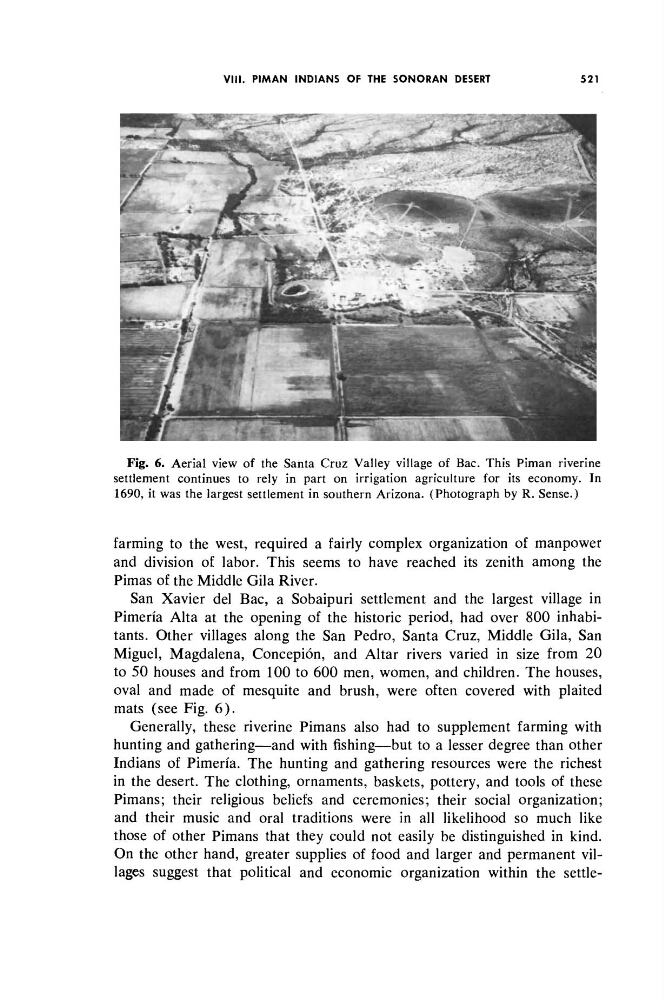
Fig. 6. Aerial view of the Santa Cruz Valley village of Bac. This Piman riverine
settlement continues to rely in part on irrigation agriculture for its economy. In
1690, it was the largest settlement in southern Arizona. (Photograph by R. Sense.)
farming to the west, required a fairly complex organization of manpower
and division of labor. This seems to have reached its zenith among the
Pimas of the Middle Gila River.
San Xavier del Bac, a Sobaipuri settlement and the largest village in
Pimeria Alta at the opening of the historic period, had over 800 inhabitants. Other villages along the San Pedro, Santa Cruz, Middle Gila, San
Miguel, Magdalena, Concepion, and Altar rivers varied in size from 20
to 50 houses and from 100 to 600 men, women, and children. The houses,
oval and made of mesquite and brush, were often covered with plaited
mats (see Fig. 6).
Generally, these riverine Pimans also had to supplement farming with
hunting and gathering—and with fishing—but to a lesser degree than other
Indians of Pimeria. The hunting and gathering resources were the richest
in the desert. The clothing, ornaments, baskets, pottery, and tools of these
Pimans; their religious beliefs and ceremonies; their social organization;
and their music and oral traditions were in all likelihood so much like
those of other Pimans that they could not easily be distinguished in kind.
On the other hand, greater supplies of food and larger and permanent villages suggest that political and economic organization within the settle-
521
Fig. 6. Aerial view of the Santa Cruz Valley village of Bac. This Piman riverine
settlement continues to rely in part on irrigation agriculture for its economy. In
1690, it was the largest settlement in southern Arizona. (Photograph by R. Sense.)
farming to the west, required a fairly complex organization of manpower
and division of labor. This seems to have reached its zenith among the
Pimas of the Middle Gila River.
San Xavier del Bac, a Sobaipuri settlement and the largest village in
Pimeria Alta at the opening of the historic period, had over 800 inhabitants. Other villages along the San Pedro, Santa Cruz, Middle Gila, San
Miguel, Magdalena, Concepion, and Altar rivers varied in size from 20
to 50 houses and from 100 to 600 men, women, and children. The houses,
oval and made of mesquite and brush, were often covered with plaited
mats (see Fig. 6).
Generally, these riverine Pimans also had to supplement farming with
hunting and gathering—and with fishing—but to a lesser degree than other
Indians of Pimeria. The hunting and gathering resources were the richest
in the desert. The clothing, ornaments, baskets, pottery, and tools of these
Pimans; their religious beliefs and ceremonies; their social organization;
and their music and oral traditions were in all likelihood so much like
those of other Pimans that they could not easily be distinguished in kind.
On the other hand, greater supplies of food and larger and permanent villages suggest that political and economic organization within the settle-