

518
BERNARD L. FONTANA
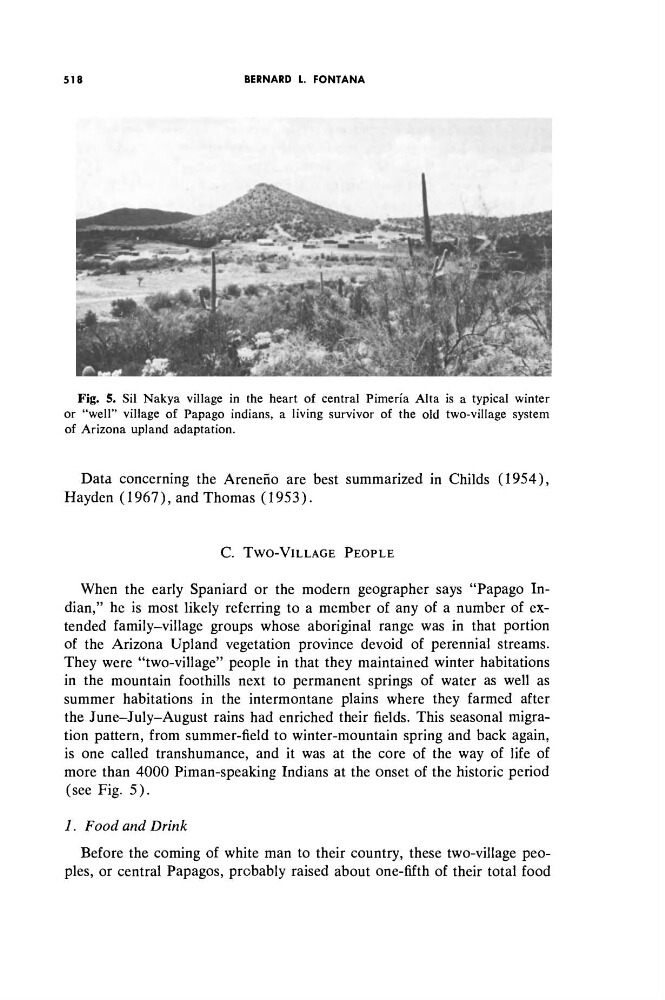
Fig. 5. Sil Nakya village in the heart of central Pimeria Alta is a typical winter
or "well" village of Papago indians, a living survivor of the old two-village system
of Arizona upland adaptation.
Data concerning the Areneno are best summarized in Childs (1954),
Hayden (1967), and Thomas (1953).
C. TWO-VILLAGE PEOPLE
When the early Spaniard or the modern geographer says "Papago Indian," he is most likely referring to a member of any of a number of extended family-village groups whose aboriginal range was in that portion
of the Arizona Upland vegetation province devoid of perennial streams.
They were "two-village" people in that they maintained winter habitations
in the mountain foothills next to permanent springs of water as well as
summer habitations in the intermontane plains where they farmed after
the June-July-August rains had enriched their fields. This seasonal migration pattern, from summer-field to winter-mountain spring and back again,
is one called transhumance, and it was at the core of the way of life of
more than 4000 Piman-speaking Indians at the onset of the historic period
(see Fig. 5).
1. Food and Drink
Before the coming of white man to their country, these two-village peoples, or central Papagos, probably raised about one-fifth of their total food
BERNARD L. FONTANA
Fig. 5. Sil Nakya village in the heart of central Pimeria Alta is a typical winter
or "well" village of Papago indians, a living survivor of the old two-village system
of Arizona upland adaptation.
Data concerning the Areneno are best summarized in Childs (1954),
Hayden (1967), and Thomas (1953).
C. TWO-VILLAGE PEOPLE
When the early Spaniard or the modern geographer says "Papago Indian," he is most likely referring to a member of any of a number of extended family-village groups whose aboriginal range was in that portion
of the Arizona Upland vegetation province devoid of perennial streams.
They were "two-village" people in that they maintained winter habitations
in the mountain foothills next to permanent springs of water as well as
summer habitations in the intermontane plains where they farmed after
the June-July-August rains had enriched their fields. This seasonal migration pattern, from summer-field to winter-mountain spring and back again,
is one called transhumance, and it was at the core of the way of life of
more than 4000 Piman-speaking Indians at the onset of the historic period
(see Fig. 5).
1. Food and Drink
Before the coming of white man to their country, these two-village peoples, or central Papagos, probably raised about one-fifth of their total food