

500
BERNARD L FONTANA
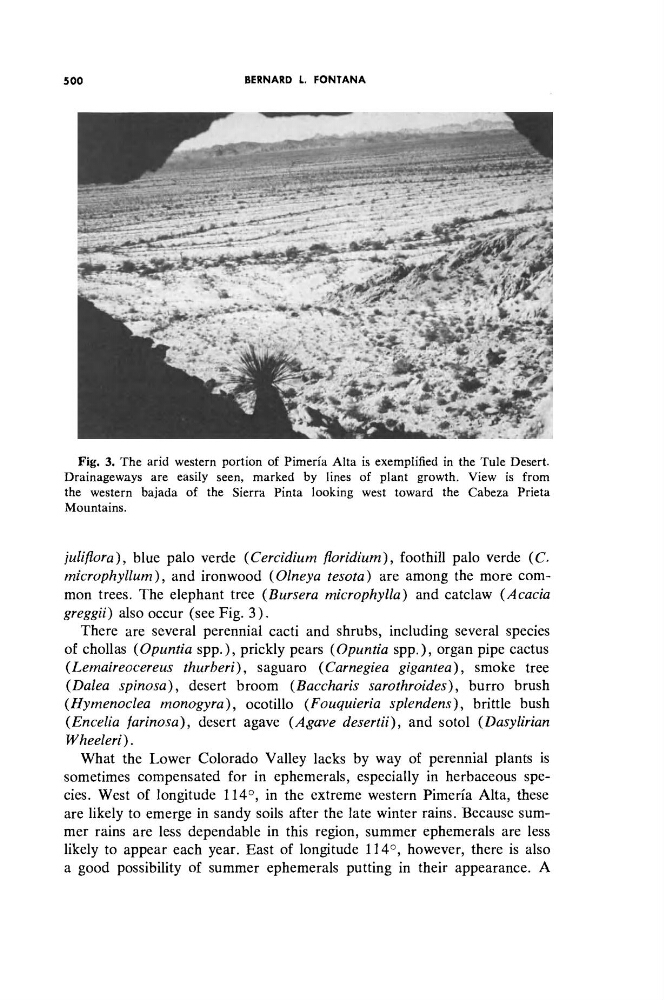
Fig. 3. The arid western portion of Pimeria Alta is exemplified in the Tule Desert.
Drainageways are easily seen, marked by lines of plant growth. View is from
the western bajada of the Sierra Pinta looking west toward the Cabeza Prieta
Mountains.
juliflora), blue palo verde {Cercidium floridium), foothill palo verde (C.
microphyllum), and ironwood (Olneya tesota) are among the more common trees. The elephant tree {Bursera microphylla) and catclaw {Acacia
greggii) also occur (see Fig. 3).
There are several perennial cacti and shrubs, including several species
of chollas {Opuntia spp.), prickly pears {Opuntia spp.), organ pipe cactus
{Lemaireocereus thurberi), saguaro {Carnegiea gigantea), smoke tree
{Dalea spinosa), desert broom {Baccharis sarothroides), burro brush
{Hymenoclea monogyra), ocotillo {Fouquieria splendens), brittle bush
{Encelia farinosa), desert agave {Agave desert ii), and sotol {Dasylirian
Wheeled).
What the Lower Colorado Valley lacks by way of perennial plants is
sometimes compensated for in ephemerals, especially in herbaceous species. West of longitude 114°, in the extreme western Pimeria Alta, these
are likely to emerge in sandy soils after the late winter rains. Because summer rains are less dependable in this region, summer ephemerals are less
likely to appear each year. East of longitude 114°, however, there is also
a good possibility of summer ephemerals putting in their appearance. A
BERNARD L FONTANA
Fig. 3. The arid western portion of Pimeria Alta is exemplified in the Tule Desert.
Drainageways are easily seen, marked by lines of plant growth. View is from
the western bajada of the Sierra Pinta looking west toward the Cabeza Prieta
Mountains.
juliflora), blue palo verde {Cercidium floridium), foothill palo verde (C.
microphyllum), and ironwood (Olneya tesota) are among the more common trees. The elephant tree {Bursera microphylla) and catclaw {Acacia
greggii) also occur (see Fig. 3).
There are several perennial cacti and shrubs, including several species
of chollas {Opuntia spp.), prickly pears {Opuntia spp.), organ pipe cactus
{Lemaireocereus thurberi), saguaro {Carnegiea gigantea), smoke tree
{Dalea spinosa), desert broom {Baccharis sarothroides), burro brush
{Hymenoclea monogyra), ocotillo {Fouquieria splendens), brittle bush
{Encelia farinosa), desert agave {Agave desert ii), and sotol {Dasylirian
Wheeled).
What the Lower Colorado Valley lacks by way of perennial plants is
sometimes compensated for in ephemerals, especially in herbaceous species. West of longitude 114°, in the extreme western Pimeria Alta, these
are likely to emerge in sandy soils after the late winter rains. Because summer rains are less dependable in this region, summer ephemerals are less
likely to appear each year. East of longitude 114°, however, there is also
a good possibility of summer ephemerals putting in their appearance. A