

II. DESERT SOILS
35
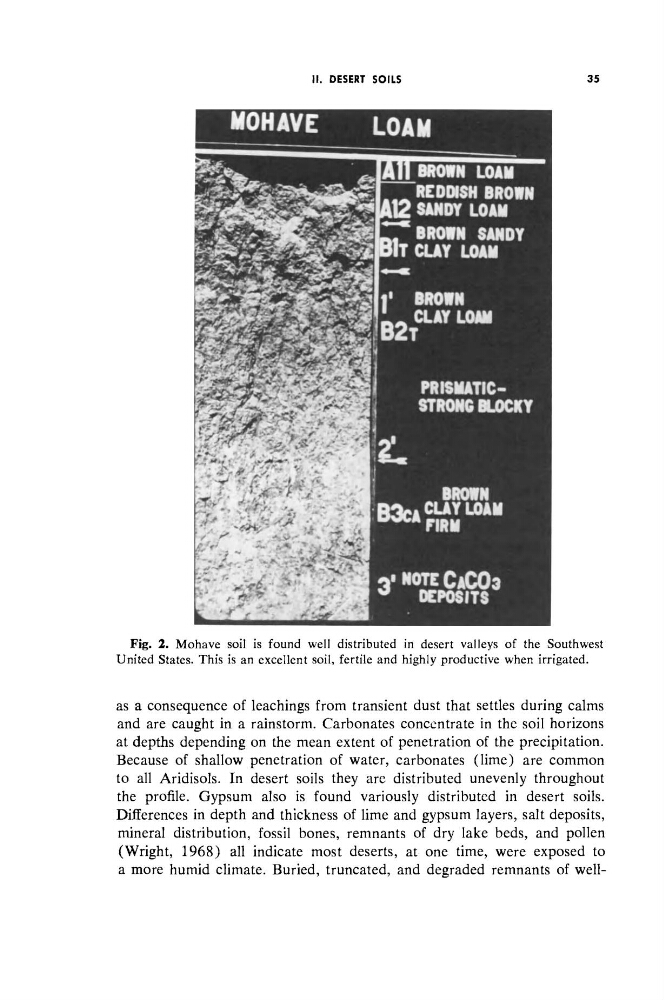
Fig. 2. Mohave soil is found well distributed in desert valleys of the Southwest
United States. This is an excellent soil, fertile and highly productive when irrigated.
as a consequence of leachings from transient dust that settles during calms
and are caught in a rainstorm. Carbonates concentrate in the soil horizons
at depths depending on the mean extent of penetration of the precipitation.
Because of shallow penetration of water, carbonates (lime) are common
to all Aridisols. In desert soils they are distributed unevenly throughout
the profile. Gypsum also is found variously distributed in desert soils.
Differences in depth and thickness of lime and gypsum layers, salt deposits,
mineral distribution, fossil bones, remnants of dry lake beds, and pollen
(Wright, 1968) all indicate most deserts, at one time, were exposed to
a more humid climate. Buried, truncated, and degraded remnants of well-
35
Fig. 2. Mohave soil is found well distributed in desert valleys of the Southwest
United States. This is an excellent soil, fertile and highly productive when irrigated.
as a consequence of leachings from transient dust that settles during calms
and are caught in a rainstorm. Carbonates concentrate in the soil horizons
at depths depending on the mean extent of penetration of the precipitation.
Because of shallow penetration of water, carbonates (lime) are common
to all Aridisols. In desert soils they are distributed unevenly throughout
the profile. Gypsum also is found variously distributed in desert soils.
Differences in depth and thickness of lime and gypsum layers, salt deposits,
mineral distribution, fossil bones, remnants of dry lake beds, and pollen
(Wright, 1968) all indicate most deserts, at one time, were exposed to
a more humid climate. Buried, truncated, and degraded remnants of well-