

V. NEW APPROACH TO WATER RELATIONS OF DESERT PLANTS
259
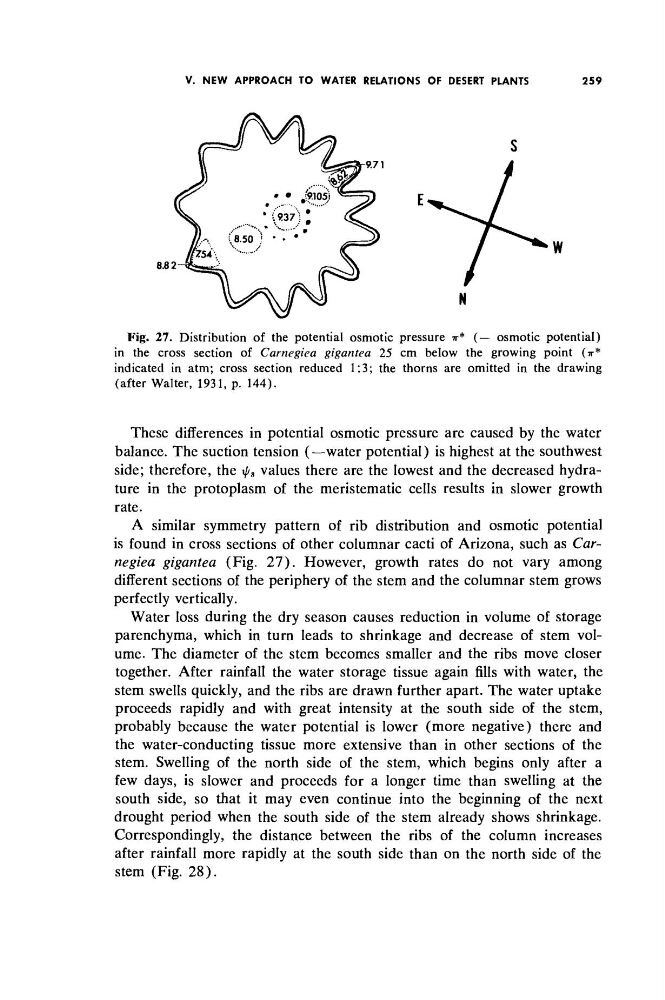
Fig. 27. Distribution of the potential osmotic pressure π* (— osmotic potential)
in the cross section of Carnegiea gigantea 25 cm below the growing point (π*
indicated in atm; cross section reduced 1:3; the thorns are omitted in the drawing
(after Walter, 1931, p. 144).
These differences in potential osmotic pressure are caused by the water
balance. The suction tension (—water potential) is highest at the southwest
side; therefore, the φ 8 values there are the lowest and the decreased hydrature in the protoplasm of the meristematic cells results in slower growth
rate.
A similar symmetry pattern of rib distribution and osmotic potential
is found in cross sections of other columnar cacti of Arizona, such as Carnegiea gigantea (Fig. 27). However, growth rates do not vary among
different sections of the periphery of the stem and the columnar stem grows
perfectly vertically.
Water loss during the dry season causes reduction in volume of storage
parenchyma, which in turn leads to shrinkage and decrease of stem volume. The diameter of the stem becomes smaller and the ribs move closer
together. After rainfall the water storage tissue again fills with water, the
stem swells quickly, and the ribs are drawn further apart. The water uptake
proceeds rapidly and with great intensity at the south side of the stem,
probably because the water potential is lower (more negative) there and
the water-conducting tissue more extensive than in other sections of the
stem. Swelling of the north side of the stem, which begins only after a
few days, is slower and proceeds for a longer time than swelling at the
south side, so that it may even continue into the beginning of the next
drought period when the south side of the stem already shows shrinkage.
Correspondingly, the distance between the ribs of the column increases
after rainfall more rapidly at the south side than on the north side of the
stem (Fig. 28).
259
Fig. 27. Distribution of the potential osmotic pressure π* (— osmotic potential)
in the cross section of Carnegiea gigantea 25 cm below the growing point (π*
indicated in atm; cross section reduced 1:3; the thorns are omitted in the drawing
(after Walter, 1931, p. 144).
These differences in potential osmotic pressure are caused by the water
balance. The suction tension (—water potential) is highest at the southwest
side; therefore, the φ 8 values there are the lowest and the decreased hydrature in the protoplasm of the meristematic cells results in slower growth
rate.
A similar symmetry pattern of rib distribution and osmotic potential
is found in cross sections of other columnar cacti of Arizona, such as Carnegiea gigantea (Fig. 27). However, growth rates do not vary among
different sections of the periphery of the stem and the columnar stem grows
perfectly vertically.
Water loss during the dry season causes reduction in volume of storage
parenchyma, which in turn leads to shrinkage and decrease of stem volume. The diameter of the stem becomes smaller and the ribs move closer
together. After rainfall the water storage tissue again fills with water, the
stem swells quickly, and the ribs are drawn further apart. The water uptake
proceeds rapidly and with great intensity at the south side of the stem,
probably because the water potential is lower (more negative) there and
the water-conducting tissue more extensive than in other sections of the
stem. Swelling of the north side of the stem, which begins only after a
few days, is slower and proceeds for a longer time than swelling at the
south side, so that it may even continue into the beginning of the next
drought period when the south side of the stem already shows shrinkage.
Correspondingly, the distance between the ribs of the column increases
after rainfall more rapidly at the south side than on the north side of the
stem (Fig. 28).