

CHAPTER 5 Weathering and Soils
134
FIGURE 5.13 Differential
weathering is illustrated
by these sculpted rock
pinnacles in Bryce
National Park, Utah.
(Photo by Angelo
Cavalli/Photolibrary)
versus marble.) Also, because unconsolidated deposits are already partly weathered
and provide more surface area for chemical
weathering, soil development on such
material usually progresses more rapidly.
Second, the chemical make-up of the
parent material affects the soil’ s fertility.
This influences the character of the natural
vegetation the soil can support.
At one time the parent material was
thought to be the primary factor causing
differences among soils. However, soil
scientists came to understand that other
factors, especially climate, are more important. In fact, it was found that similar soils
often develop from different parent materials and that dissimilar soils develop from
the same parent material. Such discoveries
reinforce the importance of the other soilforming
factors.
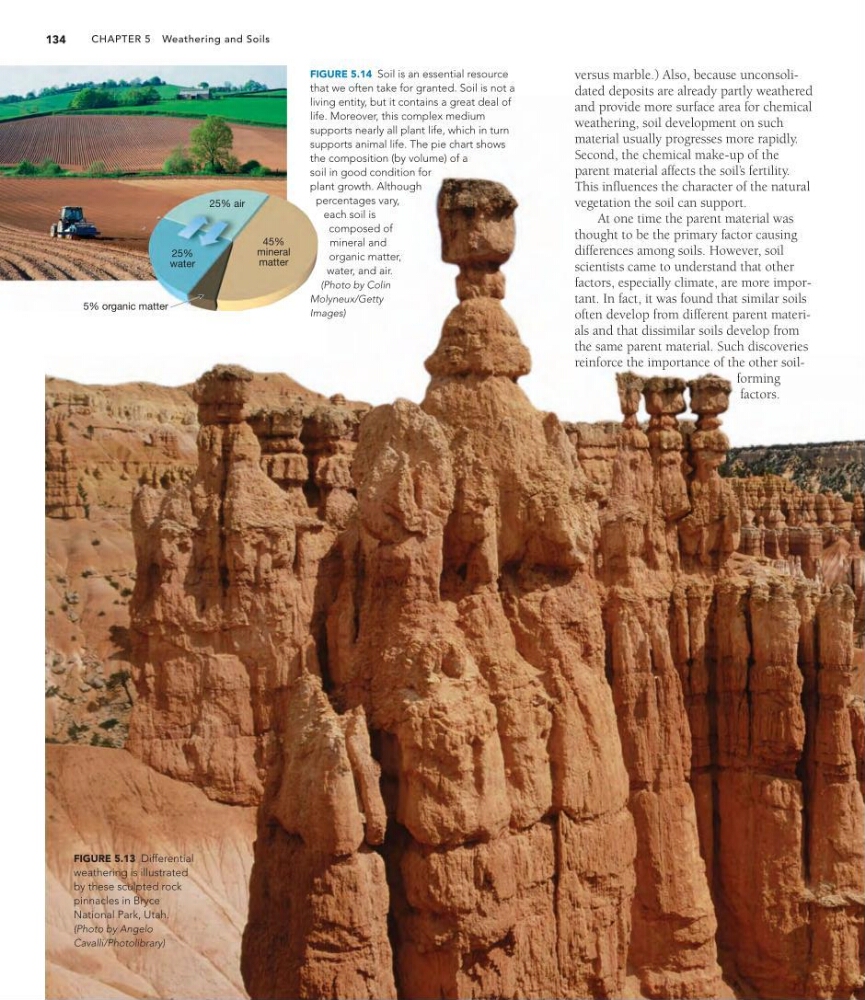
FIGURE 5.14 Soil is an essential resource
that we often take for granted. Soil is not a
living entity, but it contains a great deal of
life. Moreover, this complex medium
supports nearly all plant life, which in turn
supports animal life. The pie chart shows
the composition (by volume) of a
soil in good condition for
plant growth. Although
percentages vary,
each soil is
composed of
mineral and
organic matter,
water, and air.
(Photo by Colin
Molyneux/Getty
Images)
25% air
25%
water
5% organic matter
45%
mineral
matter
134
FIGURE 5.13 Differential
weathering is illustrated
by these sculpted rock
pinnacles in Bryce
National Park, Utah.
(Photo by Angelo
Cavalli/Photolibrary)
versus marble.) Also, because unconsolidated deposits are already partly weathered
and provide more surface area for chemical
weathering, soil development on such
material usually progresses more rapidly.
Second, the chemical make-up of the
parent material affects the soil’ s fertility.
This influences the character of the natural
vegetation the soil can support.
At one time the parent material was
thought to be the primary factor causing
differences among soils. However, soil
scientists came to understand that other
factors, especially climate, are more important. In fact, it was found that similar soils
often develop from different parent materials and that dissimilar soils develop from
the same parent material. Such discoveries
reinforce the importance of the other soilforming
factors.
FIGURE 5.14 Soil is an essential resource
that we often take for granted. Soil is not a
living entity, but it contains a great deal of
life. Moreover, this complex medium
supports nearly all plant life, which in turn
supports animal life. The pie chart shows
the composition (by volume) of a
soil in good condition for
plant growth. Although
percentages vary,
each soil is
composed of
mineral and
organic matter,
water, and air.
(Photo by Colin
Molyneux/Getty
Images)
25% air
25%
water
5% organic matter
45%
mineral
matter